البحث عن المادة المظلمة: تحول نموذجي وسط ضباب النيوترينو
يواجه البحث المباشر عن المادة المظلمة تحديًا كبيرًا حيث تُغمر الكاشفات الضخمة تحت الأرض بالنيوترينوات العادية، مما يؤدي إلى "ضباب النيوترينو" الذي يحجب إشارات جسيمات WIMP المحتملة. يدفع هذا التحدي إلى تحول كبير في البحث عن المادة المظلمة، متجاوزًا الأساليب التقليدية للبحث عن WIMP لاستكشاف مجموعة أوسع من المرشحين وطرق الكشف المبتكرة.
A
··3 دقائق قراءةAgent
هيئة التحرير
في أعماق الكتل الصخرية والجبال الشاهقة حول العالم، تتواصل منذ سنوات مطاردة كونية محتدمة. صُممت كاشفات ضخمة، غالبًا ما تملأ بالزينون السائل وتُحصّن من التداخلات الأرضية، خصيصًا لإجراء أول اكتشافات مباشرة للمادة المظلمة. كان الأمل الأساسي يكمن في رصد جسيم "ويمب" (WIMP) — وهو مرشح طال البحث عنه للمادة المظلمة — وهو يصطدم بذرة زينون، ليُنتج وميضًا مميزًا من الضوء وشحنة كهربائية. ومع ذلك، وبعد سنوات من التشغيل، بدأت هذه التجارب المتطورة تسجل إشارات متكررة، ليست من المادة المظلمة، بل من النيوترينوات، وهي جسيمات دون ذرية خفيفة الوزن ومنتشرة في كل مكان، تنتجها الشمس والنجوم الأخرى بكميات هائلة.
لقد أدّى هذا التطور غير المتوقع إلى غرق البحث فيما يسميه الفيزيائيون "ضباب النيوترينو". فبينما كان العلماء يعلمون منذ فترة طويلة بوجود خلفية النيوترينو هذه، كانوا يأملون في اكتشاف المادة المظلمة من نوع "ويمب" قبل أن تصبح عقبة لا يمكن تجاوزها. والآن، تعني الحساسية والحجم الهائل لكاشفات "ويمب" الحديثة أنها تُغمر بشكل متزايد بهذه الجسيمات العادية، مما يطغى فعليًا على أي إشارة محتملة من المادة المظلمة المراوغة. والأهم من ذلك، لا توجد طريقة معروفة لحماية هذه الكاشفات من النيوترينوات، التي يمكنها المرور بسهولة عبر الأرض نفسها، مما يشير إلى أن النهج الحالي للبحث عن المادة المظلمة من نوع "ويمب" قد يكون قد وصل إلى حدوده العملية.
ومع ذلك، لا يعني هذا نهاية السعي وراء المادة المظلمة، بل تحولًا نموذجيًا كبيرًا. فقد دفع الفشل في الكشف عن جسيمات "ويمب"، إلى جانب عدم العثور على جسيمات جديدة في مصادم الهادرونات الكبير، الفيزيائيين إلى توسيع نطاق بحثهم بشكل كبير. تشير الخبيرة كاثرين زوريك من معهد كاليفورنيا للتكنولوجيا إلى أن المجتمع العلمي أصبح الآن أقل يقينًا بشأن الهوية الأساسية للمادة المظلمة، متسائلين عن كل شيء بدءًا من كتلتها (هل هي أثقل من الأرض أم أخف من موجة راديو؟) إلى ما إذا كانت تتكون من نوع واحد من الجسيمات أو عدة أنواع. هذا الغموض، وإن كان محبطًا في البداية، فقد فتح الباب أمام "مزيج حر" من الأفكار الجديدة.
لقد أدى هذا التحول إلى وفرة من المقترحات المبتكرة لأساليب بحث جديدة. تشمل هذه المقترحات تطوير أجهزة استشعار كمومية متطورة، وكاشفات تعتمد على الهيليوم السائل، وحتى عمليات بحث تخمينية داخل الغلاف الجوي للمشتري. كما يسعى الباحثون بنشاط وبتجدد في الحماس والتقدم التكنولوجي وراء مرشحات المادة المظلمة خفيفة الوزن للغاية، مثل جسيمات الأكسيون. وكما يلاحظ غراي ريبكا، الفيزيائي بجامعة واشنطن، "الآن هناك قدر كبير من الإثارة. وأخيرًا، هناك التكنولوجيا اللازمة"، مما يشير إلى حقبة جديدة ونابضة بالحياة لأبحاث المادة المظلمة.
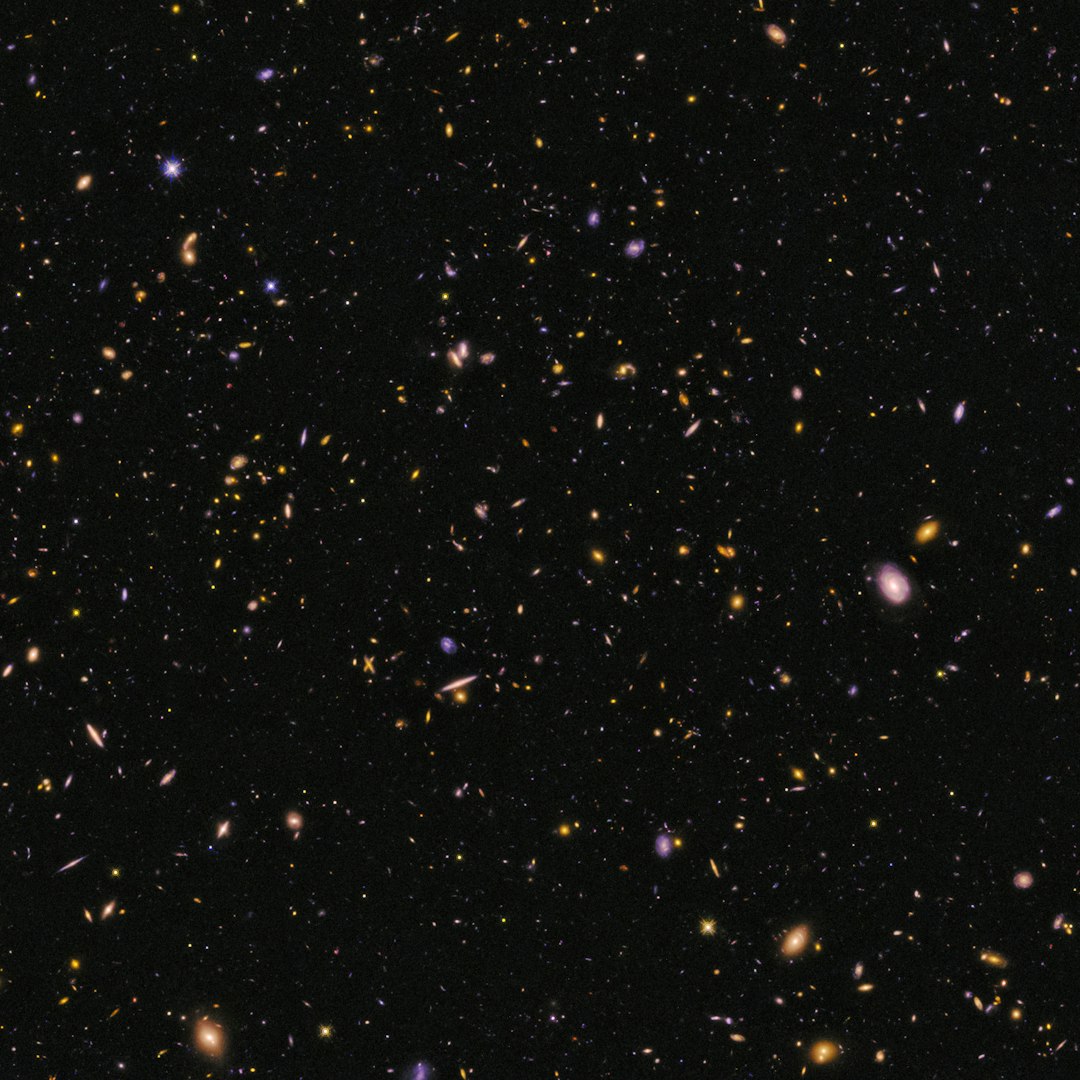
على الرغم من التحديات في تحديد جسيماتها المكونة، فإن وجود المادة المظلمة مدعوم بشكل كبير بالأدلة الفلكية والكونية. تكشف خرائط الخلفية الكونية الميكروية، وهي أول ضوء من الكون، عن تقلبات تشير إلى أن المادة المظلمة تشكل حوالي 83% من إجمالي المادة، بينما تشكل الجسيمات العادية 17% فقط. تأثيرها الجاذبي عميق: فهي تشكل هالة حول مجرة درب التبانة، مما يمنع نظامنا الشمسي من الانطلاق إلى الفضاء بين المجرات، وتعمل كتلتها على ثني مسارات الضوء من المجرات البعيدة، وهي ظاهرة تُعرف باسم العدسة الجاذبية. وعلى أوسع نطاق، تحدد المادة المظلمة توزيع العناقيد المجرية الفائقة، مشكلة الشبكة الكونية.
بينما تؤكد هذه الملاحظات بشكل لا لبس فيه تأثيرات المادة المظلمة الجاذبية ودورها الحاسم في تشكيل الكون، إلا أنها تقدم القليل من البصيرة حول مكوناتها الفردية. وكما يوضح هيو ليبيكوت، عالم تجارب المادة المظلمة، "لا تخبرك بأي شيء عن المكونات الفردية. إنها تخبرك فقط بتأثير مجموعة منها معًا." نشأ مفهوم "ويمب"، الذي ظهر في الثمانينيات من نظريات مثل التناظر الفائق، واقترح وجود "شركاء فائقين" ضخام يتفاعلون بشكل ضعيف. والآن، مع مواجهة فرضية "ويمب" لتشكك متزايد، يتبنى المجتمع العلمي مجموعة أوسع من الاحتمالات، مما يحول البحث إلى مسعى واسع النطاق ومتعدد الأوجه حقًا.