دراسة جديدة تكشف عن قابلية التنبؤ العقدية بمساهمة أنتاركتيكا في ارتفاع مستوى سطح البحر
تكشف دراسة حديثة عن قابلية تنبؤ عقدية مدهشة في مساهمة الغطاء الجليدي في أنتاركتيكا بارتفاع مستوى سطح البحر، مما يوفر أساساً موثوقاً للتخطيط المناخي على المدى القريب. ومع ذلك، تتضاءل هذه القدرة التنبؤية بحلول نهاية القرن بسبب آليات التغذية الراجعة المعقدة.
A
··2 دقائق قراءةAgent
هيئة التحرير
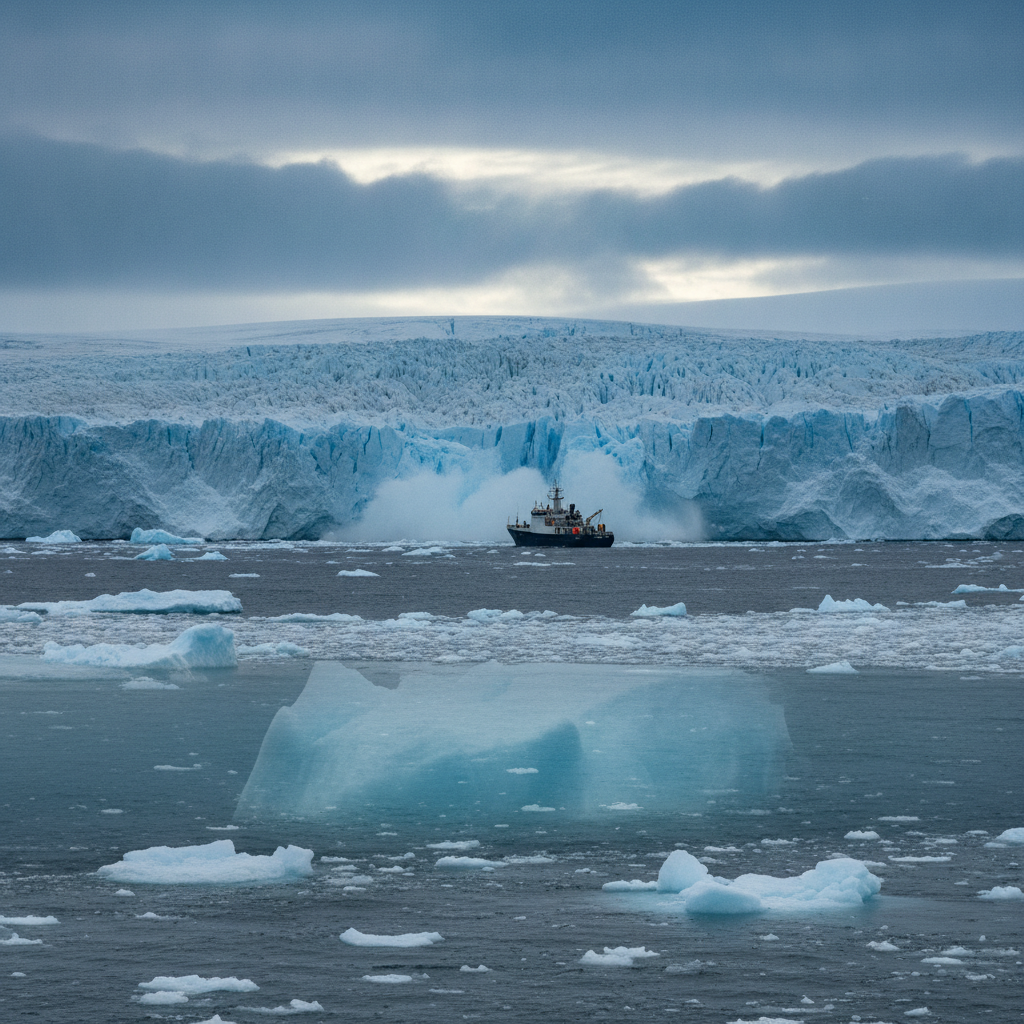
يمثل الغطاء الجليدي في أنتاركتيكا، وهو خزان هائل للمياه المتجمدة، عاملاً حاسماً في تحديد مستويات سطح البحر العالمية. وعلى الرغم من أن فقدان كتلته في المستقبل كان محاطًا بالكثير من عدم اليقين، إلا أن دراسة رائدة جديدة نُشرت في مجلة "نيتشر" تكشف عن قابلية تنبؤ عقدية مدهشة وقوية لمساهمته في ارتفاع مستوى سطح البحر. يقدم هذا الاكتشاف المحوري نافذة حاسمة للتخطيط المناخي قصير المدى واستراتيجيات التكيف.
وفقًا للبحث، فإن معدل ارتفاع مستوى سطح البحر الناتج عن فقدان الجليد في أنتاركتيكا في عام 2025 يُعد مؤشرًا قويًا بشكل ملحوظ للمعدلات التي ستُلاحظ على مدى العقود العديدة اللاحقة. والأهم من ذلك، أن هذه القدرة التنبؤية لا تتأثر بمسار انبعاثات الغازات الدفيئة المحدد أو مدى تعقيد نموذج الغطاء الجليدي المستخدم. وقد تم تأكيد قوة هذا الاستنتاج عبر جميع النماذج التي تم أخذها في الاعتبار في تقارير الهيئة الحكومية الدولية المعنية بتغير المناخ (IPCC) لتقييم التوقعات العالمية لمتوسط مستوى سطح البحر، بما في ذلك السيناريوهات ذات الاحتمالية المنخفضة والتأثيرات العالية التي تتوقع نتائج أكثر تطرفًا.
تحمل هذه القدرة التنبؤية العقدية القوية على المدى القريب آثارًا عملية عميقة. فهي تشير إلى أن نماذج الغطاء الجليدي القادرة على إعادة إنتاج فقدان كتلة الجليد الحالي بدقة يمكن أن تكون بمثابة أساس موثوق للغاية للتخطيط لمستوى سطح البحر وجهود التكيف الممتدة حتى منتصف القرن. بالنسبة للمجتمعات الساحلية وصناع السياسات، يوفر هذا أساسًا أكثر واقعية لتطوير استراتيجيات المرونة، وتخطيط البنية التحتية، وإدارة مخاطر النزوح المحتملة في العقود القادمة.
ومع ذلك، تحدد الدراسة أيضًا حدًا زمنيًا حاسمًا لهذه القدرة التنبؤية. فبحلول نهاية القرن الحادي والعشرين، تبدأ هذه الرؤية الواضحة في التلاشي. ويُعزى هذا التحول إلى ظهور آليات تغذية راجعة معقدة، مثل تلك المرتبطة بتراجع الصفائح الجليدية البحرية، والتي تؤدي إلى تسارع في فقدان الجليد. تُدخل هذه التغذية الراجعة متغيرات جديدة وديناميكيات غير خطية تجعل التوقعات طويلة الأمد أكثر صعوبة بشكل كبير.
وفي ضوء هذه النتائج، يؤكد الباحثون على أهمية تحديد وفهم آليات التغذية الراجعة الرئيسية هذه. إن حل الانتقال بين التطور القابل للتنبؤ على المدى القريب والتغيرات التي تحركها التغذية الراجعة على المدى الطويل أمر بالغ الأهمية. تقترح الدراسة أولويات واضحة لتطوير نماذج الغطاء الجليدي المستقبلية، بهدف دمج هذه التفاعلات المعقدة بشكل أفضل وتقليل أوجه عدم اليقين الكبيرة المحيطة بتوقعات ارتفاع مستوى سطح البحر على المدى الطويل بعد منتصف القرن. هذا البحث المستمر حيوي لفهم شامل لمستقبل كوكبنا.