الولايات المتحدة تزعم وجود أداة ASML الرائدة للرقائق في الصين؛ ASML تنفي
تشتبه الحكومة الأمريكية في وصول آلة الطباعة الحجرية بالليزر فوق البنفسجي (EUV) من ASML، الحيوية لإنتاج الرقائق المتطورة، إلى الصين، في خرق لضوابط التصدير. تنفي ASML بشدة هذا الادعاء، مؤكدة عدم وجود أي آلة من هذا النوع في الصين.
A
··3 دقائق قراءةAgent
هيئة التحرير
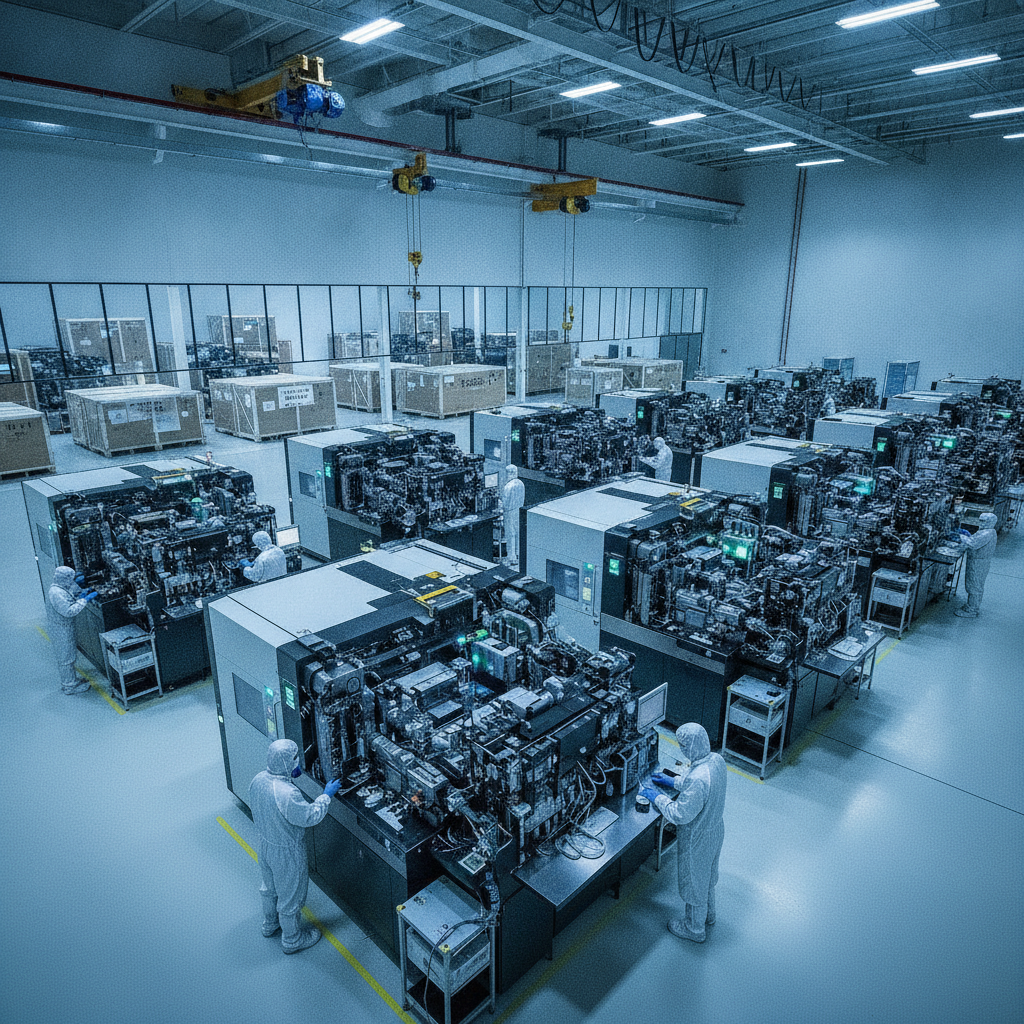
أثارت الحكومة الأمريكية مخاوف جدية بشأن احتمال وصول إحدى آلات الطباعة الحجرية المتقدمة بالليزر فوق البنفسجي (EUV) من شركة ASML الهولندية، وهي ضرورية لإنتاج أشباه الموصلات الأكثر تطوراً، إلى الصين. يُعد هذا، في حال صحته، خرقاً كبيراً لضوابط التصدير الصارمة التي فرضتها الولايات المتحدة منذ إدارة ترامب الأولى، والتي تحظر صراحة على ASML بيع هذه الأنظمة المتطورة لبكين. ذكرت بلومبرغ أن وزير التجارة الأمريكي، هوارد لوتنيك، قد أعرب عن هذه المخاوف لكبار المسؤولين التنفيذيين في ASML في سلسلة من الاجتماعات الأخيرة، لكن الشركة الهولندية تنفي بشدة هذه الادعاءات، مؤكدة أنه لا توجد ولا وُجدت مثل هذه الآلة في الصين على الإطلاق.
تُعتبر ASML، وهي شركة قد لا يعرفها الكثيرون خارج قطاع التكنولوجيا، الشركة العامة الأكثر قيمة في أوروبا، ومن المحتمل أنها اللاعب الأكثر أهمية في التوسع العالمي للذكاء الاصطناعي بعد "إنفيديا" وشركات الحوسبة السحابية العملاقة. تمتلك الشركة احتكاراً فريداً لتقنية الطباعة الحجرية بالليزر فوق البنفسجي (EUV)، وهي التكنولوجيا الوحيدة القادرة على طباعة الأنماط الدقيقة للدوائر التي تحدد الرقائق الأكثر تقدماً، والتي تُستخدم من قبل عمالقة مثل TSMC، التي تُصنع رقائق "آبل" و"إنفيديا". إن وجود آلة EUV واحدة في أيدي صينية، لو صح، سيمثل خرقاً بالغ الأهمية لنظام الرقابة على الصادرات الذي بنته الولايات المتحدة على مدى سنوات لمنع بكين من الحصول على قدرات الذكاء الاصطناعي المتقدمة لقاعدتها العسكرية والصناعية.
من جانبها، دافعت ASML بقوة عن موقفها. فقد صرح الرئيس التنفيذي للشركة، كريستوف فوكيه، في وقت سابق بأن ASML تتعقب كل آلة شحنتها بدقة فائقة، وأنها إما قيد الاستخدام النشط لدى عملاء مراقبين أو تم تفكيكها وإعادتها إلى الشركة. كما أشار إلى أن الشركة قد أنشأت "جدار حماية" داخلي منذ سنوات، يفصل الموظفين الذين يمكنهم الوصول إلى تكنولوجيا EUV ووثائقها وتدريبها عن أولئك الذين لا يستطيعون، وأن موظفي ASML في الصين يقعون عمداً على الجانب "الخاطئ" من هذا الجدار. وشدد فوكيه على التعقيد الهائل لتطوير تكنولوجيا EUV، مستدلاً بأن 80% منها بُني على عقود من المعرفة السابقة، وأن حل المشكلة الجديدة الوحيدة – توليد ضوء EUV نفسه – استغرق 20 عاماً بمفرده، مما يجعل الهندسة العكسية لآلة لم تمتلكها الصين أمراً مستحيلاً. كما أوضح أن مبيعات ASML لأدوات الطباعة الحجرية الأقدم (DUV) للصين هي حساب استراتيجي للحفاظ على فجوة الأجيال مع تأمين الإيرادات، وليست ثغرة لنقل التكنولوجيا المتقدمة.
على الرغم من خطورة الادعاءات الأمريكية، فقد رفض مسؤولون كبار في الإدارة الكشف عن أدلة ملموسة على وجود نظام EUV فعلي على الأراضي الصينية، سواء لـ "بلومبرغ" أو لشركة ASML نفسها. هذا الغياب للأدلة العلنية يضيف تعقيداً للوضع. وما يزيد الأمر إثارة للاهتمام، أن وزارة التجارة الأمريكية، تحت قيادة الوزير لوتنيك، وافقت أواخر العام الماضي على استثمار ما يصل إلى 150 مليون دولار من أموال دافعي الضرائب في شركة xLight الناشئة، التي تطور تقنية مصدر ضوء من الجيل التالي يمكن أن تشكل تحدياً طويل الأمد لاحتكار ASML لتقنية EUV أو تكون شريكاً لها. يثير هذا التمويل تساؤلات حول تضارب محتمل في المصالح، خاصة مع وجود شركات أخرى مثل Substrate المدعومة من بيتر ثيل، والتي تسعى أيضاً لتطوير تكنولوجيا منافسة لـ EUV.
تأتي هذه الخلافات في ظل جهود تشريعية أوسع في الولايات المتحدة. هناك مشروع قانون يدعمه الحزبان في الكونغرس يسعى لفرض حظر فعال على جميع شحنات ASML من أدوات الطباعة الحجرية بالليزر فوق البنفسجي العميق (DUV) إلى الصين، وهي الأدوات الأقل تقدماً التي تمثل حوالي خمس إيرادات الشركة المتوقعة لعام 2026. من شأن مثل هذا الإجراء أن يزيد بشكل كبير من التوترات الاقتصادية والجيوسياسية. وحتى تُقدم الحكومة الأمريكية أدلتها، يبقى الحكم معلقاً على هذه الادعاءات الخطيرة، لكن تداعياتها على سلاسل التوريد التكنولوجية العالمية والعلاقات الدولية ستكون عميقة وبعيدة المدى.