شجرة العائلة الميكروبية المصححة: عندما تعني كثرة البيانات قلة الحقيقة في تتبع الحياة المبكرة
تتحدى دراسة كندية حديثة فكرة أن كثرة البيانات تؤدي دائمًا إلى إجابات أفضل، حيث كشفت أن الانفجار المعلوماتي يمكن أن يحجب الحقيقة عند إعادة بناء جينومات الميكروبات القديمة. يستدعي هذا البحث تطوير نماذج جديدة سليمة إحصائيًا لتتبع تطور أشكال الحياة الأولى بدقة.
A
··2 دقائق قراءةAgent
هيئة التحرير
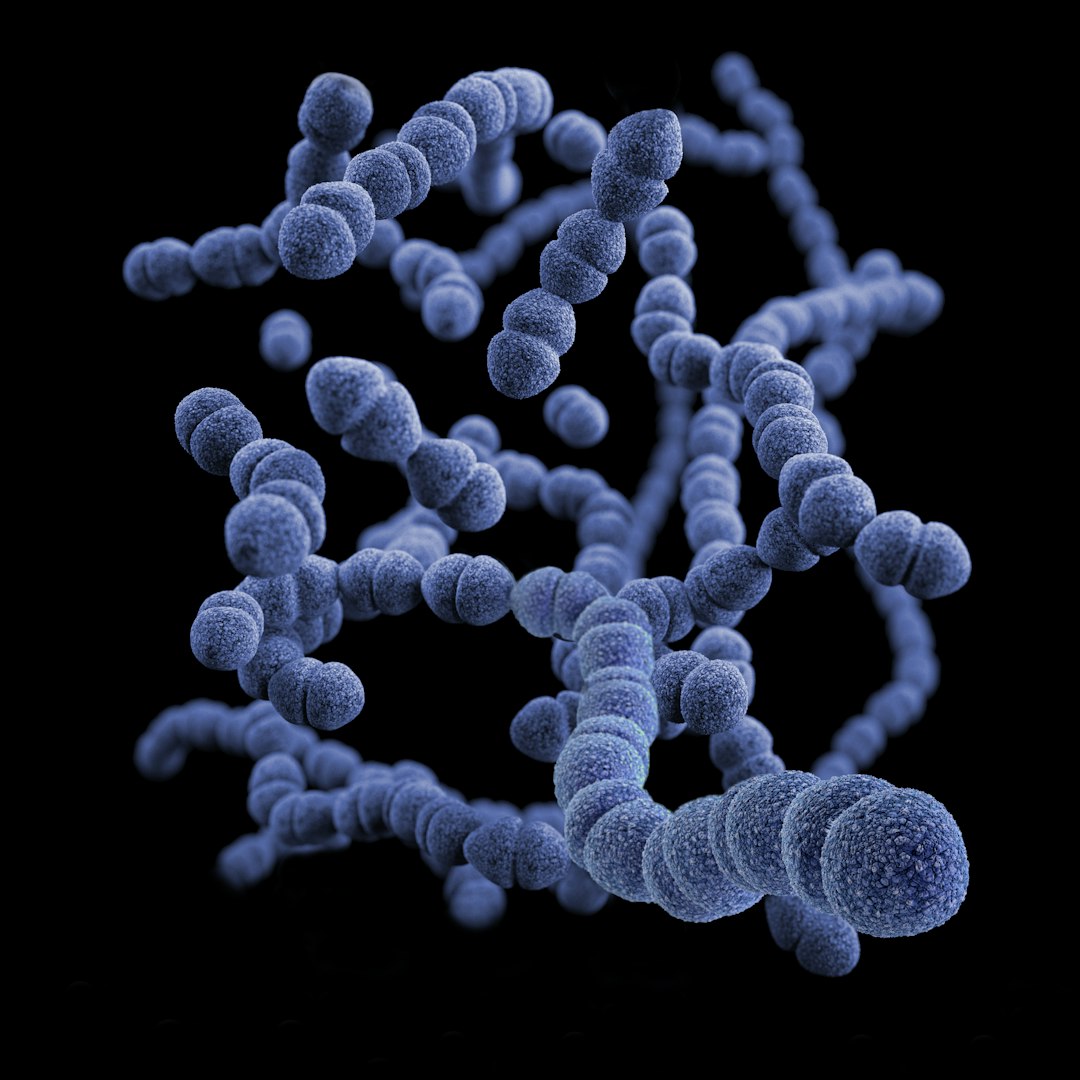
في عصر يتسم بتدفق هائل للبيانات، يسود الاعتقاد بأن المزيد من المعلومات يؤدي حتمًا إلى إجابات أكثر دقة ووضوحًا. ومع ذلك، تأتي دراسة كندية رائدة لتتحدى هذا المفهوم السائد، خاصة في سياق البحث المعقد عن أسلاف الحياة الأوائل على كوكب الأرض. كشفت الأبحاث، التي نُشرت في مجلة "وقائع الأكاديمية الوطنية للعلوم" المرموقة وقادها ميكلوش تشوروش، الأستاذ المشارك في علوم الكمبيوتر بجامعة مونتريال (UdeM)، عن حقيقة غير بديهية: أن الانفجار المعلوماتي يمكن أن يحجب الحقيقة بدلاً من أن يكشفها عندما يتعلق الأمر بفهم أصول الحياة.
تركز الدراسة بشكل خاص على الأساليب المستخدمة لإعادة بناء جينومات الميكروبات القديمة، والتي تعد أساسية لرسم "شجرة العائلة" التطورية لأشكال الحياة المبكرة. تشير النتائج التي توصل إليها تشوروش إلى أن الأساليب الحسابية القياسية المتبعة في هذا المجال أصبحت غارقة في الحجم الهائل من المعلومات الجينية المتاحة حاليًا. فبدلاً من تحسين فهمنا، يؤدي هذا الطوفان من البيانات إلى إدخال ضوضاء وتعقيد لا تستطيع الأدوات التحليلية الحالية معالجته بفعالية، مما قد يؤدي إلى استنتاجات مضللة حول أصول الكائنات الحية البدائية وعلاقاتها التطورية.
إن هذه الظاهرة، حيث يؤدي المزيد من البيانات إلى "قدر أقل من الحقيقة"، تمثل عقبة منهجية كبيرة لعلماء الأحياء التطورية وعلماء الكمبيوتر على حد سواء. يكمن التحدي في التمييز بين الإشارات التطورية الحقيقية من الكم الهائل من البيانات الجينية، والتي قد يكون الكثير منها زائدًا عن الحاجة أو فاسدًا أو ببساطة غير ذي صلة عند محاولة النظر إلى مليارات السنين في الماضي. تؤكد الأبحاث أن مجرد تجميع المزيد من التسلسلات الجينومية دون أطر تحليلية متطورة وقوية يمكن أن يؤدي، على نحو متناقض، إلى تدهور جودة وموثوقية عمليات إعادة البناء الفيلوجينية.
تعتبر تداعيات عمل تشوروش عميقة، حيث تشير إلى أن العديد من النماذج الحالية لتطور الميكروبات، التي بُنيت على هذه الأساليب القياسية المنهكة، قد تتطلب إعادة تقييم. من خلال تحديد الخلل الحاسم في الأساليب الحالية، تدعو الدراسة ضمنًا إلى تطوير نماذج جديدة سليمة إحصائيًا يمكنها إدارة وتفسير مجموعات البيانات الضخمة بفعالية دون الوقوع فريسة للحمل الزائد للمعلومات. هذا التحول أمر حيوي لرسم الفروع المعقدة لشجرة العائلة الميكروبية بدقة وفهم كيفية تنوع الحياة من أشكالها الأولى.
في الختام، تعد هذه الأبحاث الكندية بمثابة تذكير حاسم بأن جودة الأساليب التحليلية ومدى ملاءمتها لا تقل أهمية، إن لم تكن أكثر أهمية، عن كمية البيانات نفسها. إنها تدعو إلى نهج أكثر دقة للبيانات الضخمة في البحث العلمي، لا سيما في علم الأحياء التاريخي، وتحث الباحثين على إعطاء الأولوية للابتكار المنهجي لضمان أن سعينا وراء الحقائق القديمة يستند إلى علم قوي وموثوق. إعادة التقييم هذه ضرورية لبناء نموذج دقيق وسليم إحصائيًا لتطور أشكال الحياة الأولى.