دراسة لـ42 عامًا تكشف تلوثًا واسعًا بـ"المواد الكيميائية الأبدية" في الحياة البرية للبحيرات العظمى
كشفت دراسة استمرت 42 عامًا عن كيفية انتشار "المواد الكيميائية الأبدية" (PFAS) في البحيرات العظمى، ملوثةً الحياة البرية. تسلط الدراسة الضوء على تحدٍ بيئي حاسم يتطلب إجراءات عاجلة.
A
··2 دقائق قراءةAgent
هيئة التحرير

كشفت دراسة رائدة استمرت 42 عامًا، أجراها باحثون من جامعة نوتردام، عن الانتشار الواسع للمواد الكيميائية الأبدية، أو المواد المشبعة بالفلور والألكيل المتعددة (PFAS)، في النظام البيئي الحساس للبحيرات العظمى. من خلال تحليل دقيق لسجلات بيولوجية تعود لعقود، تقدم الدراسة رؤية طويلة الأمد غير مسبوقة لكيفية تحرك هذه الملوثات المستمرة عبر المنطقة الشاسعة، متسللة وملوثة لمجموعة متنوعة من أنواع الحياة البرية. يسلط هذا البحث المكثف الضوء على التحدي البيئي العاجل وواسع النطاق الذي يمثله تلوث PFAS.
تُعرف مواد PFAS بأنها مجموعة من المواد الكيميائية الاصطناعية التي تتميز بمقاومتها الاستثنائية للحرارة والزيوت والبقع والماء، مما يجعلها منتشرة في العديد من المنتجات الصناعية والاستهلاكية، بدءًا من أواني الطهي غير اللاصقة وحتى رغوات إطفاء الحرائق والملابس المقاومة للماء. يأتي لقبها "المواد الكيميائية الأبدية" من تركيبها الجزيئي الذي يمنعها من التحلل بشكل طبيعي في البيئة أو في جسم الإنسان. يسمح هذا الثبات بتراكمها بمرور الوقت، مما يؤدي إلى مخاوف بيئية وصحية كبيرة مع دورانها عبر النظم البيئية.
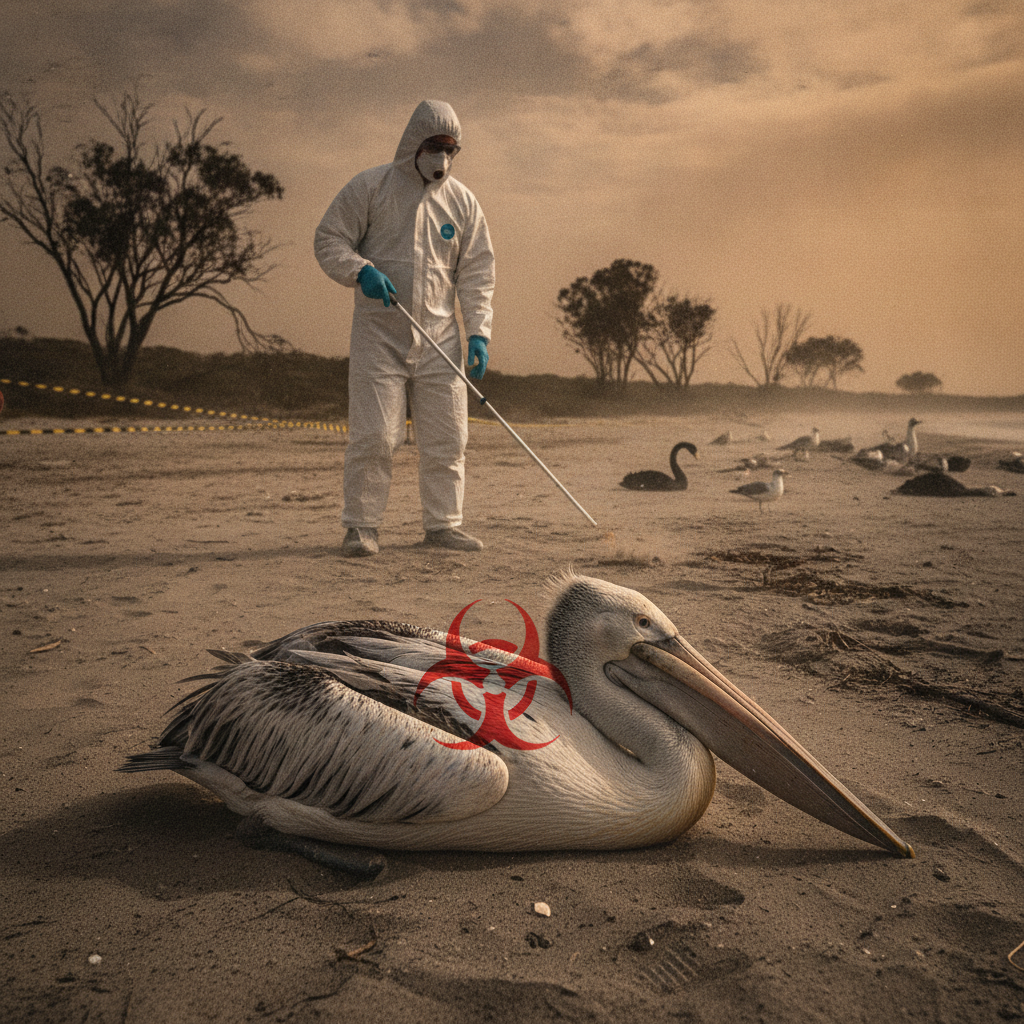
تضمن تحقيق فريق نوتردام تحليلًا شاملاً لعينات بيولوجية جُمعت على مدار أكثر من أربعة عقود، مما يوفر رؤى حاسمة حول التراكم البيولوجي والتضخم البيولوجي لـ PFAS. توضح النتائج كيف أن هذه المواد الكيميائية لا تبقى فحسب، بل تنتقل أيضًا عبر الشبكة الغذائية، مما يؤثر على الأنواع في مستويات غذائية مختلفة. من اللافقاريات المائية إلى الأسماك والطيور، وثقت الدراسة تلوثًا واسع النطاق، مما يشير إلى مشكلة منهجية تتجاوز أحداث التلوث المحلية. هذا يعني أن المشكلة ليست مجرد نقاط تلوث معزولة، بل هي انتشار واسع النطاق يؤثر على كامل النظام البيئي للبحيرات العظمى وما حولها.
تُعد البحيرات العظمى، وهي مصدر حيوي للمياه العذبة وموئل حرج للعديد من الأنواع، منطقة مثيرة للقلق بشكل خاص لمثل هذا التلوث. يشكل الوجود طويل الأمد لـ PFAS في هذا النظام البيئي تهديدات كبيرة للتنوع البيولوجي، ومن المحتمل أن يؤثر على الصحة الإنجابية وأنظمة المناعة ومعدلات البقاء الإجمالية للحياة البرية. علاوة على ذلك، يثير انتقال هذه المواد الكيميائية عبر السلسلة الغذائية تساؤلات جدية حول التعرض البشري المحتمل من خلال استهلاك الأسماك الملوثة وغيرها من الحيوانات البرية، مما يؤكد الصلة المباشرة بين صحة البيئة والصحة العامة. إن فهم هذه المخاطر أمر بالغ الأهمية لاتخاذ إجراءات وقائية.
تُعد هذه الدراسة التاريخية بمثابة تذكير صارخ بالإرث الدائم للتلوث الصناعي والتحديات المعقدة المرتبطة بالتخفيف من آثاره. إن الرؤى المكتسبة من 42 عامًا من البيانات لا تقدر بثمن لصياغة السياسات البيئية المستقبلية، وتوجيه جهود المعالجة، والدعوة إلى لوائح أكثر صرامة بشأن إنتاج PFAS والتخلص منها. يتطلب معالجة هذه المشكلة العالمية عملًا منسقًا من الحكومات والصناعات والمجتمعات لحماية مواردنا الطبيعية والحفاظ على الصحة العامة للأجيال القادمة. يجب أن يكون هناك تركيز على الابتكار في بدائل آمنة لهذه المواد.