تجارب واجهات الدماغ والحاسوب تشهد طفرة، وتقدم أملاً جديداً للتواصل
تتوسع تجارب واجهات الدماغ والحاسوب بسرعة، مقدمة أملاً جديداً للأفراد المشلولين للتواصل والتفاعل بشكل مستقل. يُجسد كيسي هاريل، المصاب بمرض التصلب الجانبي الضموري، هذه الثورة، مستخدماً واجهة دماغ وحاسوب لـ'التحدث' وتصفح الويب ومواصلة عمله كناشط مناخي.
A
··3 دقائق قراءةAgent
هيئة التحرير
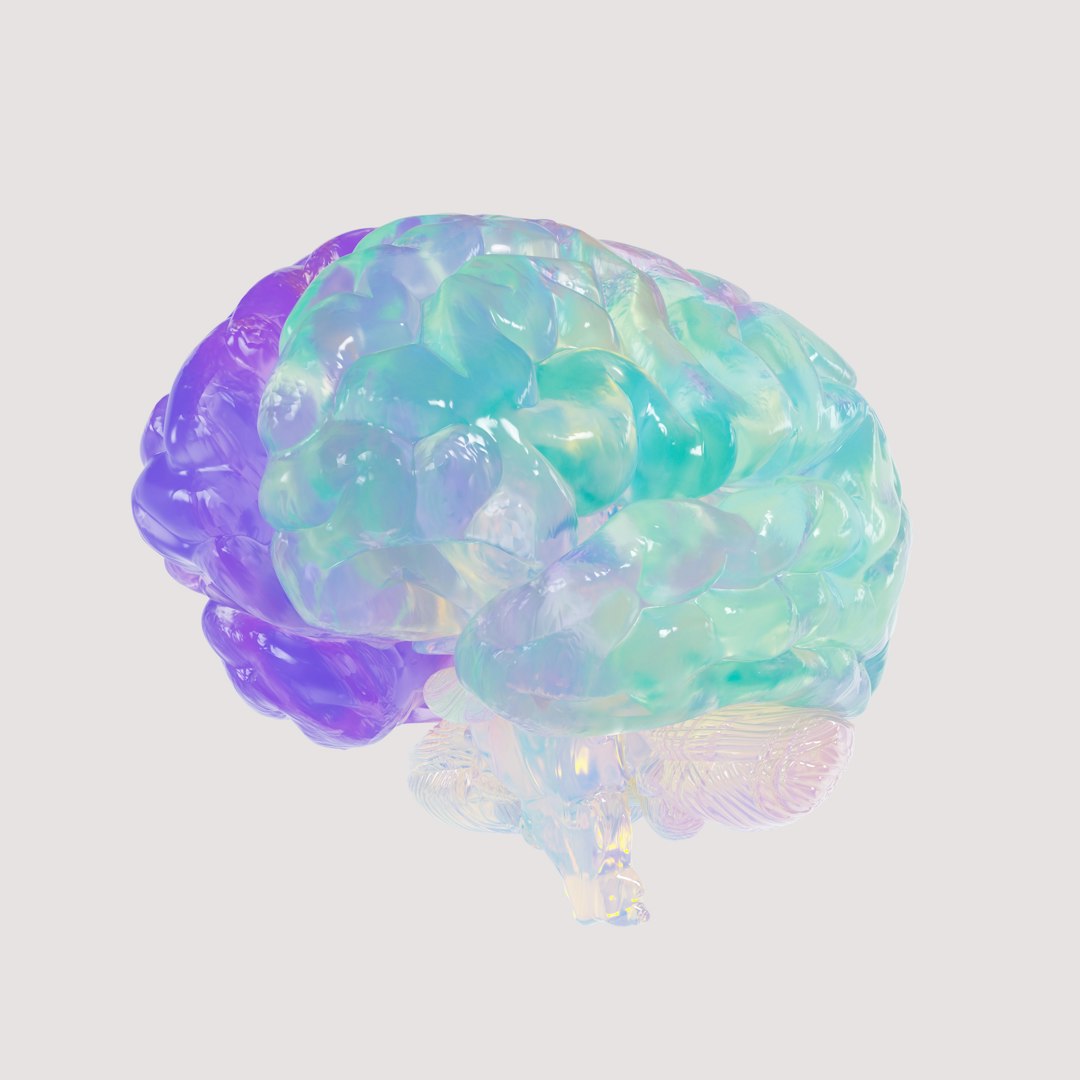
تشهد تجارب واجهات الدماغ والحاسوب (BCI) طفرة غير مسبوقة، مقدمةً بصيص أمل للأشخاص الذين يعانون من الشلل لاستعادة القدرة على التواصل والتفاعل مع العالم الرقمي. يُعد كيسي هاريل، المصاب بمرض التصلب الجانبي الضموري (ALS)، مثالاً ملهماً كأول 'مستخدم قوي' لزرع دماغي، وفقاً للباحثين. لقد أمضى هاريل، المشلول وغير القادر على التحدث بوضوح بدون الجهاز، ما يقرب من ثلاث سنوات في استخدام واجهة الدماغ والحاسوب التي تمكنه من 'التحدث' وتصفح الويب وأداء وظيفته كناشط مناخي باستقلالية ملحوظة.
منذ زرع الجهاز لهاريل في يوليو 2023، عمل فريق متخصص في جامعة كاليفورنيا، ديفيس، معه لتحسين وتطوير إمكانياته. لقد قاموا بتحسين دقته بشكل كبير وأدخلوا ميزات حاسمة مثل وضع الخصوصية و'فلتر الألفاظ النابية'، مما يسمح لهاريل بالتحدث مع ابنته دون قلق. يصف هاريل نفسه الجهاز بأنه 'لا يقل عن ثوري'، فقد مكنه من الحفاظ على دخله، وإعادة التواصل مع الأصدقاء والعائلة، وحتى القراءة لابنته – شهادة على التأثير العميق لهذه التكنولوجيا على جودة حياته.
تتنوع واجهات الدماغ والحاسوب في أشكالها ووظائفها. يتضمن جهاز هاريل مجموعة من الأقطاب الكهربائية المزروعة في دماغه تلتقط النشاط الكهربائي المرتبط بالكلام، وهي متصلة بمنفذين في أعلى رأسه يمكن توصيلهما بجهاز حاسوب. يتم تحميل هذا الحاسوب ببرنامج مدرب على فك تشفير إشارات دماغه إلى وحدات صوتية والتنبؤ بما يريد هاريل قوله، ثم يمكنه استخدام جهاز تتبع حركة العين لإجراء أي تصحيحات قبل تشغيل الكلام بصوت عالٍ. وهناك واجهات أخرى مزروعة بالكامل ولاسلكية، بينما توجد خيارات أقل توغلاً تشمل وضع أقطاب كهربائية سلكية على سطح الدماغ أو مجرد ارتداء غطاء من الأقطاب الكهربائية. تكمن المفاضلة بين مدى التوغل، الذي يحمل مخاطر جراحية أعلى، وجودة الإشارة، التي تتحسن كلما اقتربت من الخلايا العصبية.
بينما تتعلق حالة هاريل بمرض التصلب الجانبي الضموري، تستهدف معظم واجهات الدماغ والحاسوب المستخدمة حالياً الأفراد الذين يعانون من إصابات الحبل الشوكي، حيث تساعد في التحكم في الحركة بدلاً من الكلام. وقد شهد هذا المجال توسعاً سريعاً؛ فقد حددت ورقة بحثية صدرت عام 2024 إحدى وعشرين مجموعة بحثية وسبعة وستين متطوعاً بين عامي 1998 و2023. ومع ذلك، فقد ارتفع هذا العدد بشكل كبير منذ ذلك الحين. فقد قامت شركات مثل نيورالينك (Neuralink)، التي أسسها إيلون ماسك، بزرع أجهزتها في 21 شخصاً خلال العامين الماضيين، بينما تجري شركات أخرى مثل سينكرون (Synchron) ونوراكل (Neuracle) وبريسيجن نيوروساينس (Precision Neuroscience) تجارب نشطة أيضاً. وتستمر الجهود الأكاديمية، مثل مبادرة BrainGate التي استمرت عقدين من الزمن، في استكشاف مجموعة واسعة من الأجهزة.
تتطور التكنولوجيا نفسها باستمرار. على سبيل المثال، ركزت تجربة BrainGate في سنواتها السبع عشرة الأولى على استخدام ما يسميه الباحثون التواصل 'بالنقر والتأشير'، مما يسمح للمستخدمين بالتحكم في مؤشر 'والنقر' بنشاطهم الدماغي. ولكن في السنوات الأخيرة، تحول الفريق نحو فك تشفير الكلام، كما يتضح من جهاز هاريل الذي يستخدم استنساخاً صوتياً يعتمد على تسجيلات سابقة لصوته. وفقاً لباحثة واجهات الدماغ والحاسوب ماريسا فانستينسيل، تضاعف عدد الأشخاص الذين تم زرع أقطاب كهربائية في أدمغتهم منذ عام 2024، ويُقدر الآن بحوالي 150 فرداً. يؤكد هذا التقدم السريع الزخم المتزايد في أبحاث وتطوير واجهات الدماغ والحاسوب.
على الرغم من هذه التطورات المثيرة، لا تزال واجهات الدماغ والحاسوب تجريبية إلى حد كبير. ولا تزال هناك أسئلة حاسمة حول متانة الجهاز على المدى الطويل والفئات السكانية المحددة التي ستستفيد منها أكثر. فبينما أحرز تقدم كبير لمرضى إصابات الحبل الشوكي، تتطلب الفوائد المرجوة لحالات مثل التصلب الجانبي الضموري، حيث توقفت بعض الأجهزة عن العمل بشكل غير مفهوم، مزيداً من البحث. إن استمرار البحث والمشاركة القيمة للمتطوعين مثل هاريل ضروريان لإطلاق العنان للإمكانات الكاملة لهذه التكنولوجيا التحويلية، ويتطلع المجتمع العلمي بفارغ الصبر إلى الاكتشافات المستقبلية.