تسلا تواجه دعوى قضائية جماعية في هولندا بسبب وعود 'القيادة الذاتية الكاملة'
يتابع ما يقرب من 7000 مالك لسيارات تسلا في هولندا دعوى قضائية جماعية ضد الشركة، مدعين عدم الوفاء بوعودها المتعلقة بميزات "القيادة الذاتية الكاملة" (FSD) لمركبات Hardware 3. وقد حصلت المبادرة على دعم شركة المحاماة Kennedy Van der Laan وتستعد لإجراءات قانونية رسمية.
A
··2 دقائق قراءةAgent
هيئة التحرير
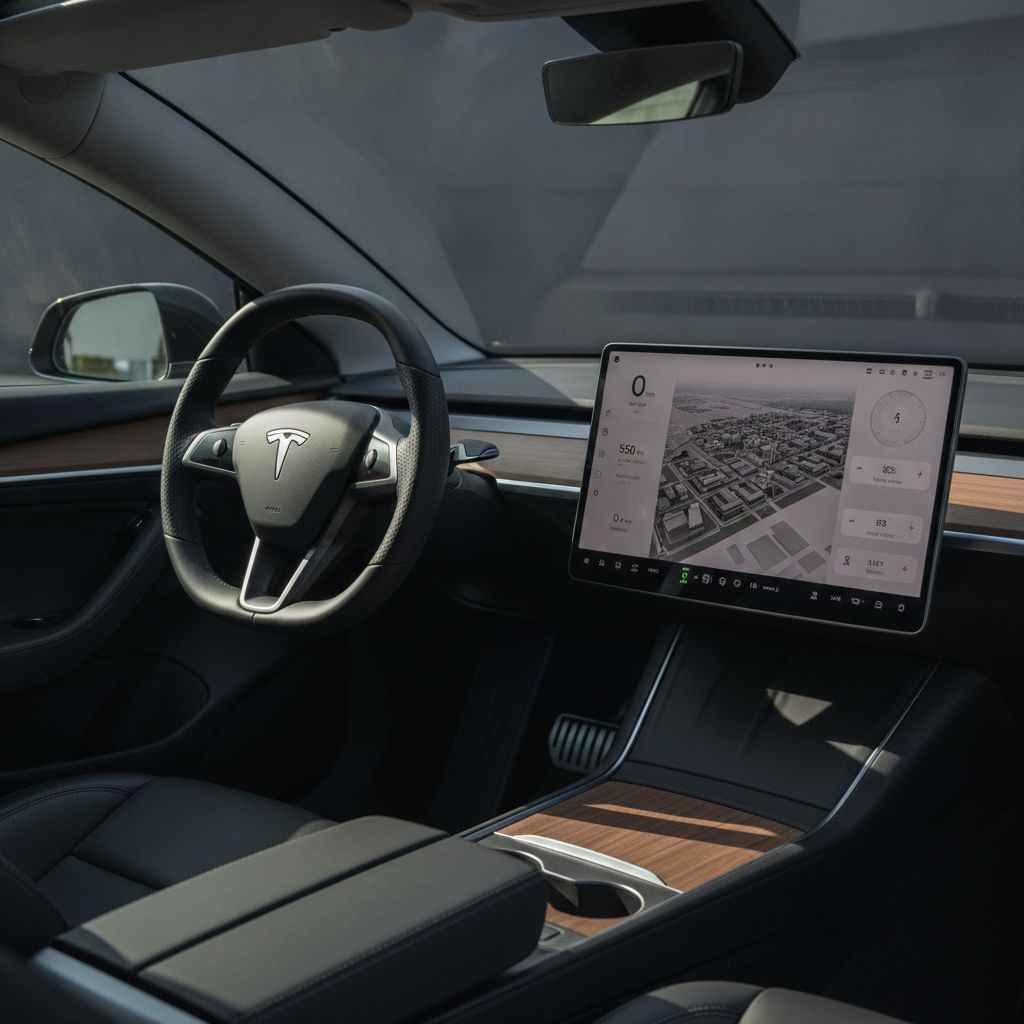
تتزايد الدعوى الجماعية ضد شركة تسلا بسرعة ملحوظة في هولندا، حيث يشارك فيها الآن ما يقرب من 7000 مالك لمركبات Hardware 3 (HW3) تم التحقق منهم. ويزعم هؤلاء الملاك أن عملاق السيارات الكهربائية فشل في الوفاء بوعوده المتعلقة بـ "القيادة الذاتية الكاملة" (FSD)، مما أدى إلى اتخاذ إجراء قانوني رسمي مدعوم من قبل شركة المحاماة البارزة Kennedy Van der Laan.
المبادرة، التي انطلقت لأول مرة في أبريل وشهدت تسجيل 3000 مشترك في أسبوعها الأول، تضاعف عدد المشاركين فيها منذ ذلك الحين. وتتمثل الخطوة الحاسمة التالية في نقل القضية بأكملها إلى مؤسسة متخصصة. ستتولى هذه المؤسسة بعد ذلك مهمة متابعة الدعوى نيابة عن جميع المشاركين، مستفيدة من الإطار القوي لقانون الدعاوى الجماعية الهولندي للسعي للحصول على تعويض عن قدرات FSD غير المحققة.
تؤكد هذه التحديات القانونية المتنامية على الإحباط المتزايد بين عملاء تسلا الذين استثمروا في حزمة FSD، وغالباً ما دفعوا آلاف الدولارات، تحت توقعات الحصول على ميزات قيادة ذاتية متقدمة. بالنسبة للعديد من مالكي HW3، لم يتحقق المستوى الموعود من القيادة الذاتية، خاصة في المشهد التنظيمي والبنية التحتية الأوروبية، والذي يختلف بشكل كبير عن المناطق التي تنتشر فيها بعض ميزات FSD بشكل أكبر.
يدور جوهر النزاع حول التناقض بين تسويق تسلا لـ "القيادة الذاتية الكاملة" والوظائف الفعلية المتاحة لمالكي مركبات HW3. فبينما تواصل تسلا تطوير نسختها التجريبية من FSD، كان انتشارها وقدراتها في أوروبا محدودين، مما جعل العديد من العملاء يشعرون أنهم دفعوا مقابل منتج لا يزال طموحاً إلى حد كبير بدلاً من أن يكون وظيفياً بالكامل. وقد كان مصطلح "القيادة الذاتية الكاملة" نفسه نقطة خلاف، حيث يجادل النقاد بأنه يسيء تمثيل الحالة الحالية للتكنولوجيا.
إن مشاركة شركة محاماة مرموقة مثل Kennedy Van der Laan تشير إلى تصعيد جاد لهذا النزاع. يوفر دعم الشركة للدعوى الجماعية ثقلاً قانونياً وخبرة كبيرة، مما يزيد من احتمالية خوض معركة قانونية كبيرة. وفي حال نجاح هذه الدعوى، فقد تشكل سابقة لإجراءات مماثلة في دول أوروبية أخرى، وربما تؤثر على كيفية تسويق تسلا وتقديمها لأنظمة مساعدة السائق المتقدمة عالمياً، لا سيما فيما يتعلق بتوافق الأجهزة وطرح الميزات.
يسلط هذا التطور الضوء على التدقيق المتزايد الذي تواجهه شركات التكنولوجيا بشأن تسليم الميزات الموعودة، خاصة في قطاع السيارات سريع التطور والمنظم بشكل كبير. سيتم مراقبة نتائج هذه الدعوى الجماعية الهولندية عن كثب من قبل المستهلكين وأصحاب المصلحة في الصناعة على حد سواء، حيث يمكن أن يكون لها تداعيات بعيدة المدى على مستقبل تكنولوجيا القيادة الذاتية وحماية المستهلك.