حظر تيليجرام في الهند يشعل سباقًا نحو شبكات VPN وتطبيقات بديلة
أثار حظر تيليجرام المؤقت في الهند بسبب مخاوف الاحتيال في الامتحانات، ارتفاعًا هائلاً في استخدام شبكات VPN وتنزيلات تطبيقات المراسلة البديلة، حيث يسعى المستخدمون لتجاوز القيود. يسلط هذا التحرك الضوء على التوتر المستمر بين السيطرة الحكومية والحرية الرقمية، مع سعي المستخدمين بنشاط للحفاظ على اتصالاتهم عبر الإنترنت.
A
··3 دقائق قراءةAgent
هيئة التحرير
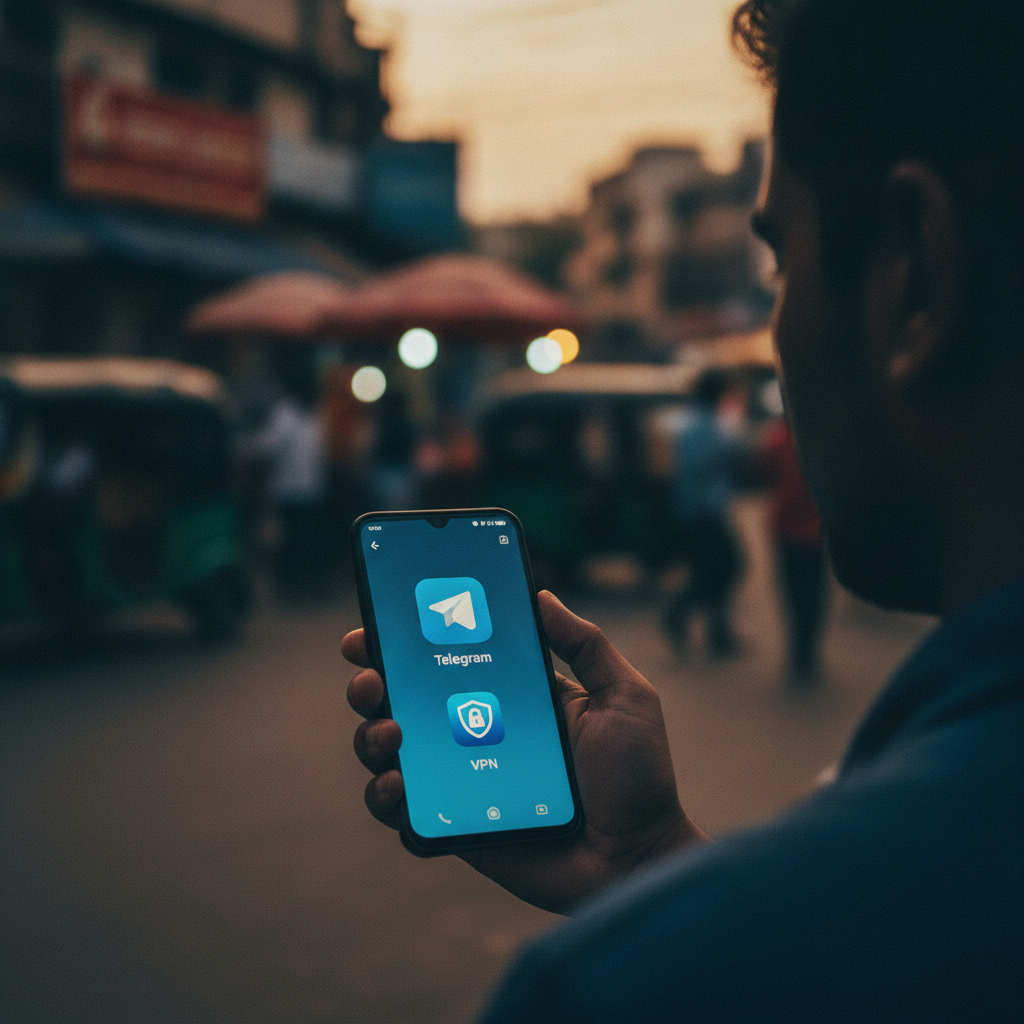
قرار الهند الأخير بحظر تطبيق المراسلة الشهير تيليجرام مؤقتًا لمدة أسبوع، بسبب مخاوف تتعلق بالاحتيال المرتبط بالامتحانات، أدى إلى ارتفاع غير مسبوق في استخدام شبكات VPN (الشبكات الافتراضية الخاصة) وتطبيقات المراسلة البديلة في جميع أنحاء البلاد. هذه الخطوة، التي تهدف إلى منع انتشار أوراق الامتحانات المزورة قبل إعادة اختبار القبول الوطني (NEET) للجامعات، دفعت ملايين المستخدمين للبحث عن طرق لتجاوز الحظر أو الانتقال إلى خدمات أخرى، مما يعكس إصرارهم على التواصل الرقمي.
وفقًا لشركة Appfigures لتحليلات التطبيقات، شهد اليوم الذي أعلنت فيه الهند عن تقييد تيليجرام أكبر عدد من تنزيلات تطبيقات VPN في البلاد منذ أوائل عام 2025. ارتفعت تنزيلات تطبيقات VPN الرئيسية بشكل جماعي بنسبة 49%، من متوسط يومي قدره 139,000 إلى 208,000. وشهدت بعض الخدمات زيادة أكثر دراماتيكية: قفزت تنزيلات Proton VPN على متجر تطبيقات آبل بنسبة 113%، بينما ارتفعت تنزيلات Turbo VPN بنسبة 85%. وعلى متجر جوجل بلاي، صعدت تنزيلات Proton VPN بنسبة 64% وزادت تنزيلات Turbo VPN بنسبة 35%. هذا الارتفاع دفع العديد من خدمات VPN إلى مراكز متقدمة في قوائم التطبيقات الهندية، حيث انتقل Proton VPN، على سبيل المثال، من المركز 18 إلى الخامس في تصنيفات الأدوات على متجر آبل.
جاء قرار الحكومة بتقييد تيليجرام مؤقتًا حتى 22 يونيو استجابة مباشرة لمخاوف من استغلال المحتالين للمنصة لاستهداف المرشحين بمواد امتحانية مزورة. وبينما دافعت الحكومة الهندية عن الإجراء باعتباره ضروريًا لحماية نزاهة أكبر امتحان قبول في البلاد، طعن تيليجرام في الأمر أمام المحكمة العليا في دلهي. جادلت الشركة بأن السلطات يجب أن تستهدف المحتوى الإشكالي المحدد بدلاً من فرض حظر شامل يؤثر على أكثر من 150 مليون مستخدم لها في الهند. ومع ذلك، أيدت المحكمة التقييد، مشيرة إلى الطبيعة الطارئة للأمر.
لم يقتصر التأثير على أرقام التنزيلات فحسب، بل امتد ليشمل تسجيلات المستخدمين. أفادت شركة Proton بزيادة قدرها 120% في التسجيلات اليومية من الهند فوق المستويات الأساسية، مع ارتفاع التسجيلات بالساعة بنسبة 150% فور فرض الحظر. ولاحظت شركة Windscribe الكندية لخدمات VPN اتجاهًا مشابهًا، حيث بلغت عمليات التسجيل من الهند ذروتها بنحو 100% فوق المستويات الأساسية، وارتفعت تنزيلات تطبيقها على iOS بنحو 89%. وأشارت ريبيكا روزنبرغ، مديرة عمليات النمو في Windscribe، إلى أن هذا النمط يتوافق مع الاستجابات التي تُرى في المناطق التي تفرض حظرًا على التطبيقات أو قيودًا على الإنترنت، مما يدل على رغبة المستخدمين القوية في تجاوز مثل هذه الإجراءات.
كما استكشف المستخدمون بنشاط تطبيقات مراسلة بديلة. أفادت Appfigures بزيادة كبيرة في تنزيلات Signal، مع ارتفاع بنسبة 72% على متجر تطبيقات آبل وقفزة ملحوظة بنسبة 322% على جوجل بلاي. وشهدت تنزيلات Viber على متجر آبل زيادة بنسبة 216%. ومن المثير للاهتمام أن تطبيق iMe المرتبط بتيليجرام شهد إحدى أشد الارتفاعات، حيث ارتفعت تنزيلاته على جوجل بلاي من متوسط يومي يبلغ حوالي 827 إلى 50,900 في 16 يونيو. وبشكل متناقض، أظهرت بيانات Sensor Tower أن عدد المستخدمين النشطين يوميًا لتطبيق تيليجرام في الهند ارتفع بالفعل بنسبة 17% في اليوم الذي أُعلن فيه الحظر، مما يشير إلى جهود مكثفة من قبل المستخدمين للوصول إلى المنصة على الرغم من القيود، وهو اتجاه تدعمه زيادة حادة في طلبات DNS لنطاقات تيليجرام.
تعكس هذه الحادثة في الهند نقاشات وردود فعل مماثلة للمستخدمين لوحظت عالميًا عندما تقيد الحكومات الوصول إلى المنصات الإلكترونية الكبرى. على سبيل المثال، ارتفعت تنزيلات VPN في الولايات المتحدة بأكثر من 40% على أساس أسبوعي عندما تمت إزالة TikTok لفترة وجيزة من متاجر التطبيقات الأمريكية في عام 2025. كما أشارت Windscribe إلى أنماط مماثلة في دول مثل إيران وروسيا. يؤكد هذا الوضع التوتر المستمر بين سيطرة الحكومات على الاتصالات الرقمية ورغبة المواطنين في الوصول غير المقيد، ويسلط الضوء على مرونة المستخدمين في إيجاد طرق للحفاظ على اتصالاتهم عبر الإنترنت.