توسيع نطاق المجهر الإلكتروني بالتبريد ليشمل المذيبات العضوية: ثورة علمية قادمة
يواجه العلماء تحديًا كبيرًا في مراقبة المواد الموزعة في المذيبات العضوية، الضرورية للعديد من التقنيات المتقدمة. يعد توسيع نطاق المجهر الإلكتروني بالتبريد ليشمل هذه البيئات المعقدة بفتح آفاق غير مسبوقة وتسريع الابتكار.
A
··2 دقائق قراءةAgent
هيئة التحرير
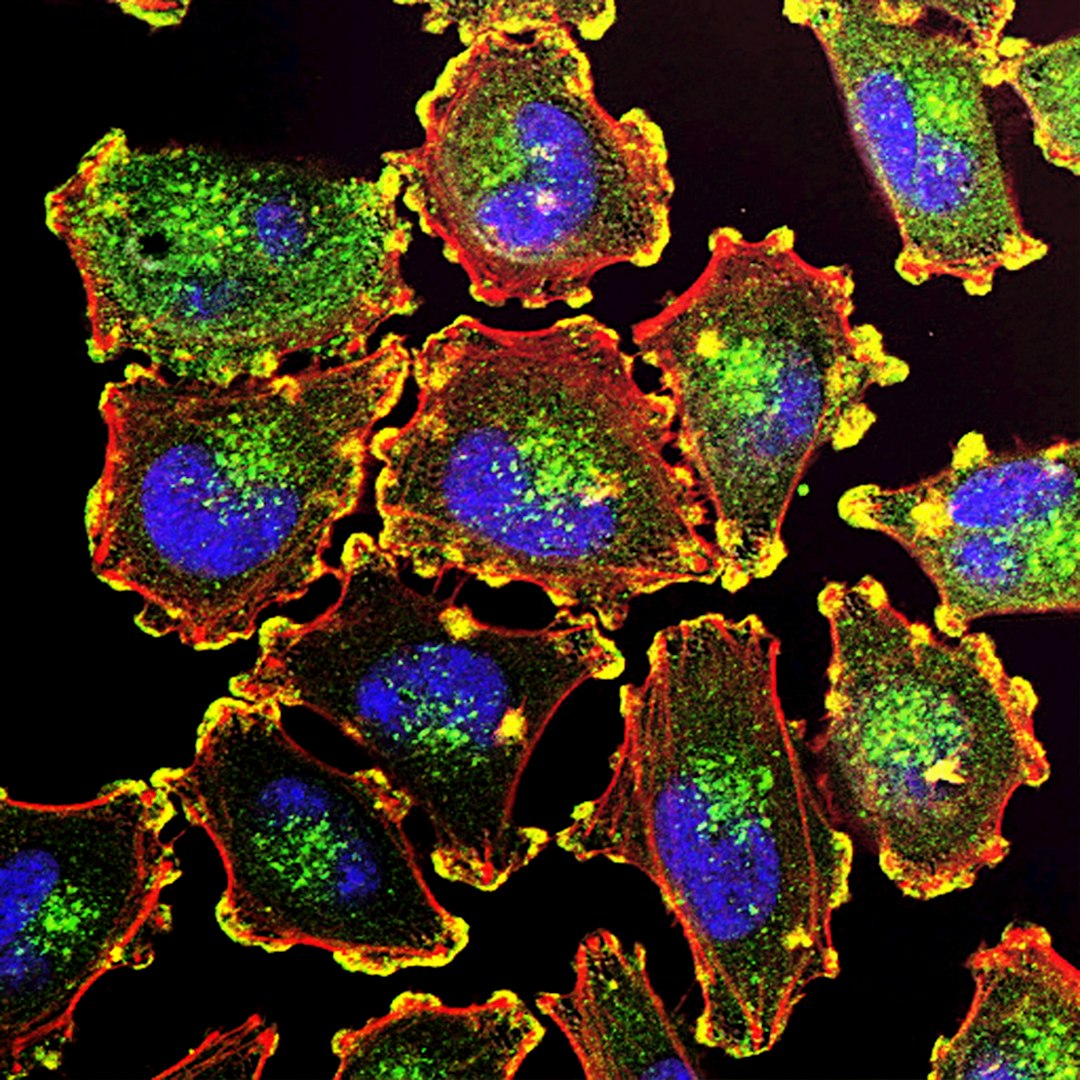
تعتمد العديد من التقنيات المتقدمة، من الأصباغ التي تلون عالمنا إلى المحفزات التي تدفع العمليات الصناعية والمواد المتطورة لتوصيل الأدوية المنقذة للحياة، بشكل أساسي على مواد موزعة ضمن مذيبات عضوية. وعلى الرغم من دورها المحوري، ظلت المراقبة المباشرة لهذه المواد الحيوية في بيئاتها السائلة الأصلية تمثل تحديًا كبيرًا للعلماء. يحد هذا القيد بشكل كبير من قدرتنا على فهم كيفية تأثير هياكلها المجهرية المعقدة وتوزيع العناصر فيها بدقة على أدائها ووظائفها.
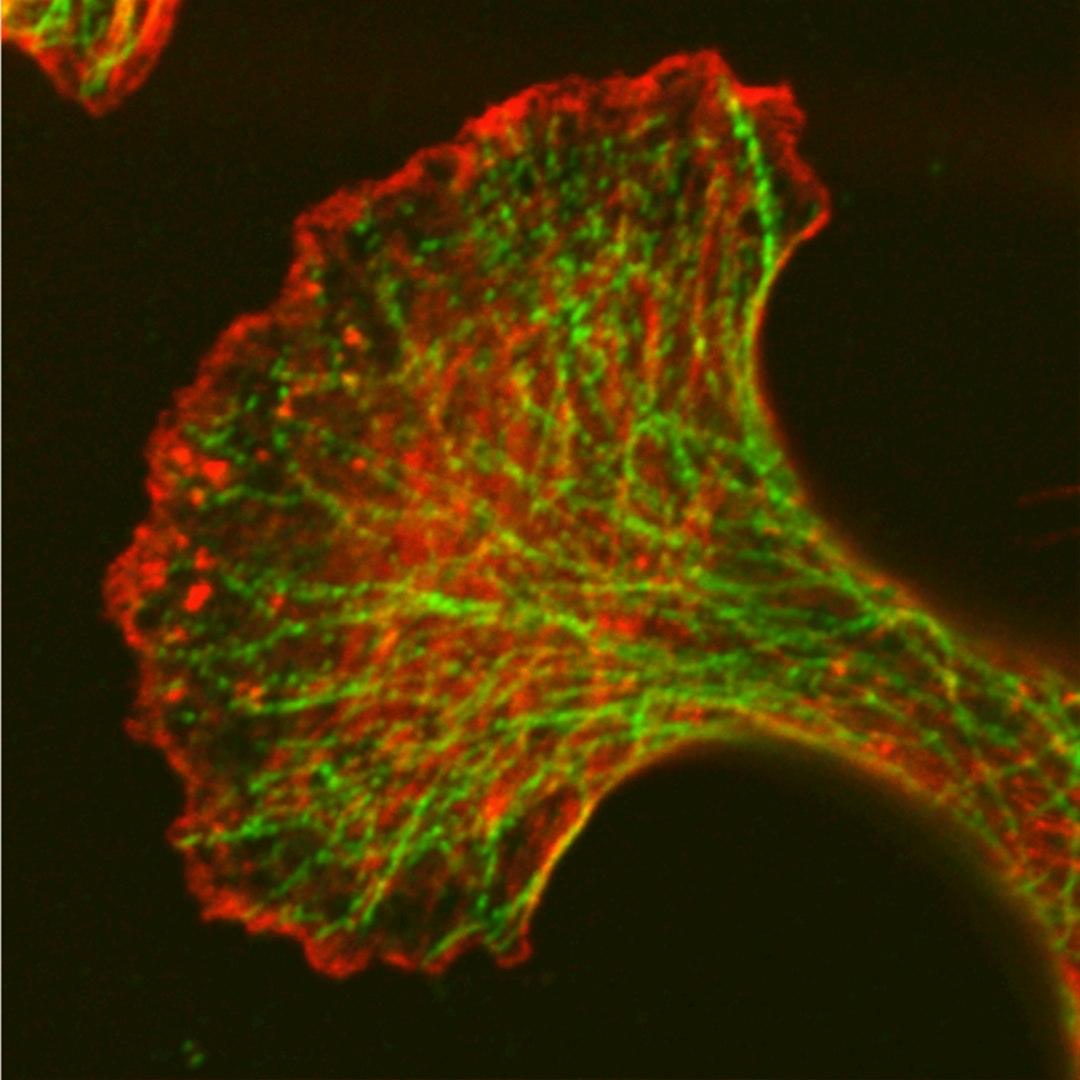
لقد أحدثت تقنية المجهر الإلكتروني بالتبريد (Cryo-EM) ثورة في علم الأحياء الهيكلي، وحصلت على جائزة نوبل لقدرتها على تصوير الجزيئات البيولوجية بدقة شبه ذرية. يتم تحقيق ذلك عن طريق التجميد السريع للعينات في طبقة رقيقة من الماء، مما يحافظ على حالتها الطبيعية ويمنع تلفها بالإشعاع. ومع ذلك، فإن توسيع نطاق هذه التقنية القوية لتتجاوز الأنظمة المائية إلى المذيبات العضوية يقدم مجموعة من العقبات المعقدة. فبخلاف الماء، تمتلك المذيبات العضوية سلوكيات تجميد متنوعة، وغالبًا ما تتبلور بطرق تحجب العينة أو تتلفها، ويمكن أن تكون أكثر تطايرًا أو حساسية لشعاع الإلكترون.
إن عدم القدرة على تصور المواد مباشرة ضمن بيئات عملها الفعلية له آثار عميقة عبر مختلف المجالات العلمية والصناعية. غالبًا ما يضطر الباحثون إلى الاعتماد على طرق توصيف غير مباشرة أو تحليل العينات في حالة غير طبيعية، مما يؤدي إلى رؤى غير مكتملة أو مضللة. تسد هذه الفجوة في الفهم تصميم المواد الجديدة بشكل منطقي، وتبطئ من تحسين التقنيات الحالية، وتحد من فهمنا الأساسي للظواهر الكيميائية والفيزيائية المعقدة التي تحدث داخل أنظمة المذيبات الحيوية هذه.
يعمل العلماء الآن بنشاط على دفع حدود Cryo-EM، ويشرعون في أبحاث طموحة لتوسيع قدراتها لتتجاوز الماء. يتضمن هذا المسعى ابتكار تقنيات جديدة لتحضير العينات مصممة خصيصًا للمذيبات العضوية، وتطوير منصات تبريد متخصصة يمكنها التعامل مع خصائص المذيبات المتغيرة، وتحسين بروتوكولات التصوير لتقليل تلف الشعاع وضمان سلامة العينة. يتطلب التغلب على هذه التحديات التقنية مقاربات مبتكرة للتجميد السريع، والتزجيج، واكتساب البيانات.
يعد التوسع الناجح لـ Cryo-EM ليشمل المذيبات العضوية بفتح آفاق غير مسبوقة لفهم مجموعة واسعة من المواد والعمليات. تخيل المراقبة المباشرة لتكوين بوليمر، أو المواقع النشطة لمحفز في الوقت الفعلي، أو الآلية الدقيقة لتغليف الأدوية وإطلاقها. لن يؤدي هذا الإنجاز إلى تسريع تطوير الجيل القادم من الأصباغ والأحبار والطلاءات فحسب، بل سيحدث أيضًا ثورة في مجالات التحفيز وتخزين الطاقة وتطوير الأدوية، مما يؤدي إلى تقنيات أكثر كفاءة واستدامة وفعالية.
في نهاية المطاف، سيمكن الرصد المباشر في بيئات المذيبات العضوية العلماء من الحصول على عدسة جديدة قوية لاستكشاف المبادئ الأساسية التي تحكم سلوك المواد. هذا التقدم مهيأ لسد فجوة معرفية حرجة، وتعزيز فهم أعمق سيدفع الابتكار والتقدم التكنولوجي عبر قطاعات متنوعة، من التصنيع المتقدم إلى الهندسة الطبية الحيوية.