ما وراء الاستعادة: بحث جديد يكشف تطور الأسماك في الأنهار المتأثرة بالبشر ويطالب بإعادة التفكير في إدارتها
تكشف دراسة دولية جديدة أن الأسماك تتطور بنشاط استجابة للتغيرات البشرية في الأنهار، مما يتحدى أساليب الاستعادة التقليدية. يتطلب هذا إعادة تفكير شاملة في إدارة الأنهار لمراعاة حلقات التغذية الراجعة التطورية المعقدة.
A
··3 دقائق قراءةAgent
هيئة التحرير
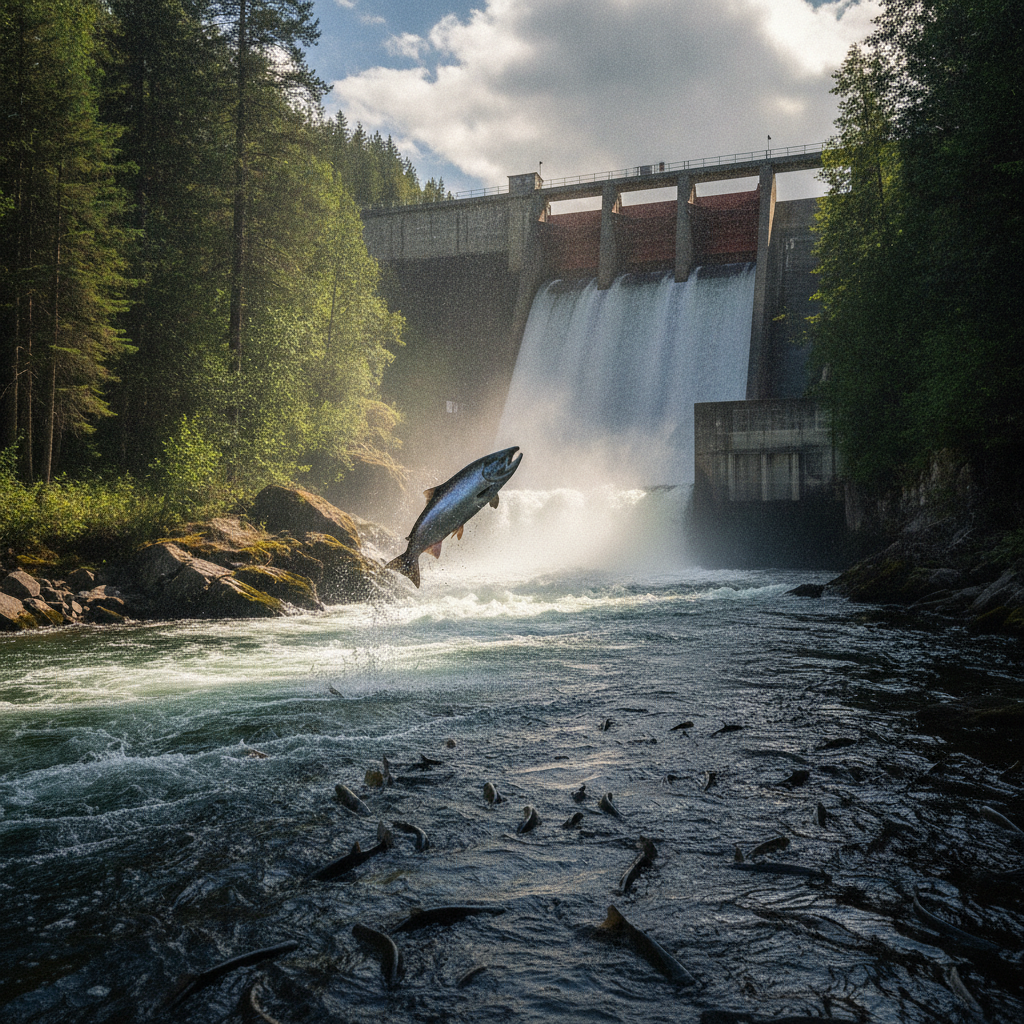
تتحدى دراسة دولية رائدة الحكمة التقليدية في إدارة الأنهار، مؤكدة أن الأسماك ليست مجرد متلقين سلبيين للتغيرات البيئية، بل هي لاعبون نشطون في حلقة تغذية راجعة معقدة تعيد تشكيل النظم النهرية بأكملها بشكل جذري. هذا الكشف يدعو إلى تحول نموذجي كبير في كيفية تعاملنا مع حفظ واستعادة هذه البيئات المائية الحيوية، متجاوزين المفاهيم المبسطة لإعادة الأنهار إلى حالتها 'الطبيعية' الأصلية.
يسلط البحث الضوء على أن الأنشطة البشرية – مثل بناء السدود، والتلوث، وتجزئة الموائل، وتغيير أنظمة التدفق – تمارس ضغوطًا تطورية هائلة على تجمعات الأسماك. عبر الأجيال، تتكيف أنواع الأسماك وراثيًا وسلوكيًا مع هذه الظروف الجديدة. على سبيل المثال، قد تطور بعض التجمعات قدرة متزايدة على تحمل الملوثات، أو تغير أنماط هجرتها للتنقل حول السدود، أو حتى تغير شكل أجسامها لتناسب الظروف الهيدرولوجية الجديدة بشكل أفضل. هذه التكيفات، بينما تسمح للأنواع بالبقاء، تغير بشكل أساسي بيولوجيتها وأدوارها البيئية داخل النظام النهري.
النتيجة الحاسمة لهذا الاستجابة التطورية هي أن جهود استعادة الأنهار التقليدية، التي غالبًا ما تركز على عكس التغيرات الفيزيائية لإعادة إنشاء الظروف التاريخية، قد لا تكون كافية أو حتى فعالة بعد الآن. إذا كانت الأسماك قد تطورت لتزدهر، أو على الأقل للبقاء، في بيئة معدلة بشريًا، فإن مجرد استعادة الموئل 'الأصلي' قد لا يتوافق مع تركيبتها الجينية الحالية أو سماتها السلوكية. هذا يخلق معضلة معقدة للحفاظ على البيئة: هل نقوم باستعادة بيئة لأسماك لم تعد موجودة، أم أننا نفشل في مراعاة الاحتياجات المتطورة للتجمعات الحالية؟
علاوة على ذلك، تؤكد الدراسة على مفهوم 'حلقة التغذية الراجعة'. فبينما تتطور الأسماك استجابة للتغيرات التي يسببها الإنسان، يمكن لسماتها وسلوكياتها المتغيرة أن تؤثر بدورها على جوانب أخرى من النظام البيئي النهري. على سبيل المثال، يمكن أن تؤثر التغيرات في عادات تغذية الأسماك على مجتمعات اللافقاريات، أو قد تؤثر التحولات في استراتيجيات التكاثر على دورة المغذيات. هذا التفاعل الديناميكي يعني أن التأثيرات البشرية ليست طريقًا ذا اتجاه واحد؛ بل إنها تطلق سلسلة من الاستجابات التطورية والبيئية التي تزيد من تعقيد النظام وتستلزم نهجًا إداريًا أكثر دقة وتكيفًا.
يتطلب هذا الفهم الجديد إعادة تفكير شاملة في استراتيجيات إدارة الأنهار. يجب أن تدمج جهود الحفظ المستقبلية علم الأحياء التطوري في صميمها، معترفة بأن أنظمة الأنهار هي كيانات ديناميكية تتطور بشكل مشترك. لا يشمل هذا معالجة التهديدات الفورية فحسب، بل يشمل أيضًا فهم التنوع الجيني داخل تجمعات الأسماك، ومراقبة المسارات التطورية، وتنفيذ خطط إدارة تكيفية يمكنها الاستجابة للتغيرات المستمرة. يجب أن يتحول الهدف من مجرد 'استعادة' حالة سابقة إلى تعزيز أنظمة بيئية مرنة ومتطورة قادرة على التكيف مع التحديات البيئية المستقبلية.
في الختام، تؤكد الأبحاث على التأثير العميق الذي لا رجعة فيه غالبًا للأنشطة البشرية على الأنظمة الطبيعية. إنها بمثابة تذكير قوي بأن تدخلاتنا لها عواقب عميقة وطويلة الأمد تتجاوز التغيرات الفيزيائية المباشرة، وتغير بشكل أساسي النسيج البيولوجي للحياة نفسها. يتطلب الحفاظ الفعال على الأنهار في عصر الأنثروبوسين منظورًا شاملاً ومستنيرًا تطوريًا يدرك الرقصة المعقدة بين الأفعال البشرية، وتكيف الأنواع، وصحة النظام البيئي.