ريمورا: أسطول فضائي ذاتي القيادة لكشف أسرار الكويكبات
تقترح بنية مهمة جديدة تُدعى REMORA أسطولًا ذاتي القيادة من أقمار كيوبسات لتتبع وتوصيف الكويكبات القريبة من الأرض. يهدف هذا النهج المبتكر إلى تجاوز حدود الاستشعار عن بعد لفهم التركيب الحقيقي للكويكبات.
A
··2 دقائق قراءةAgent
هيئة التحرير
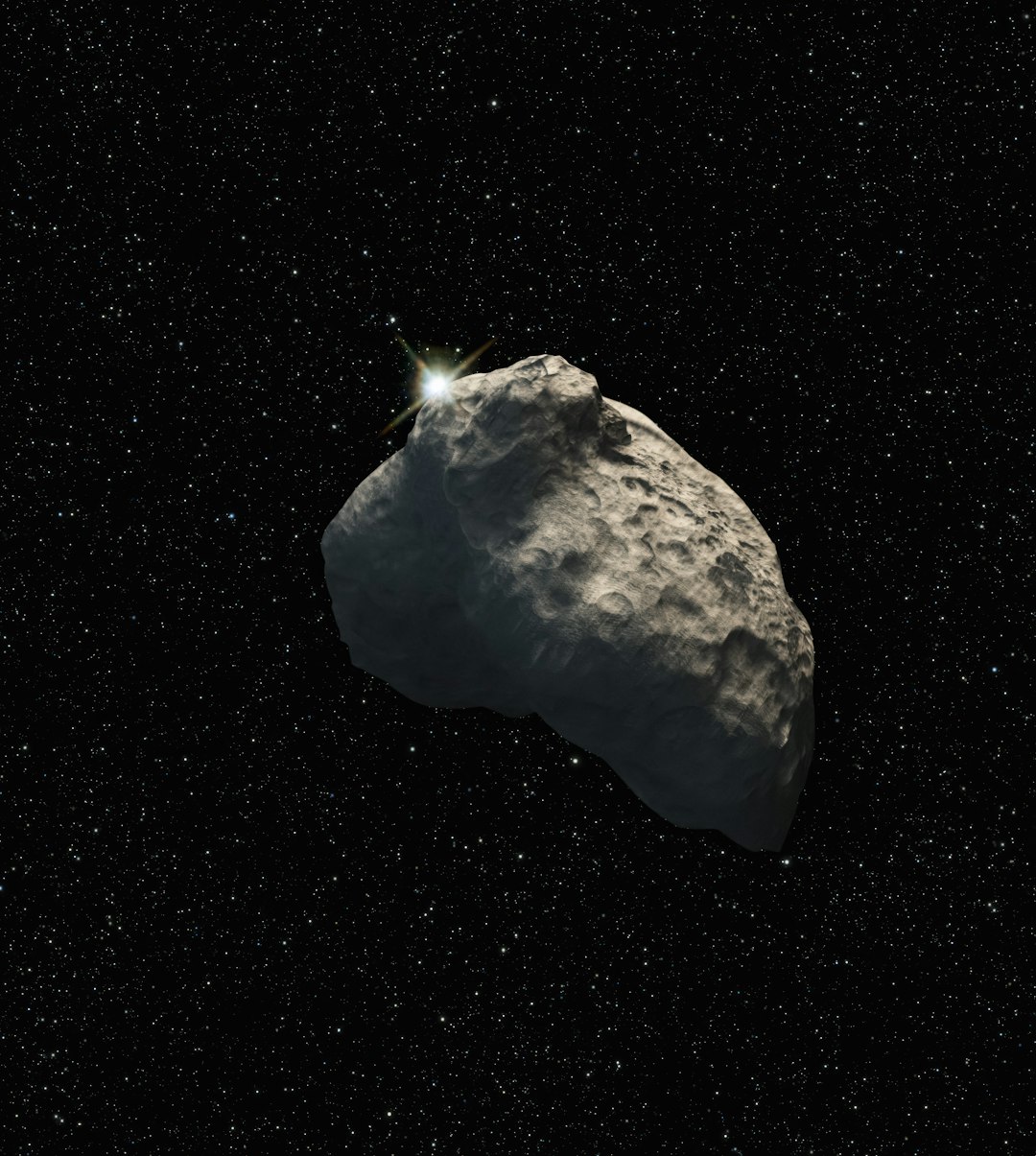
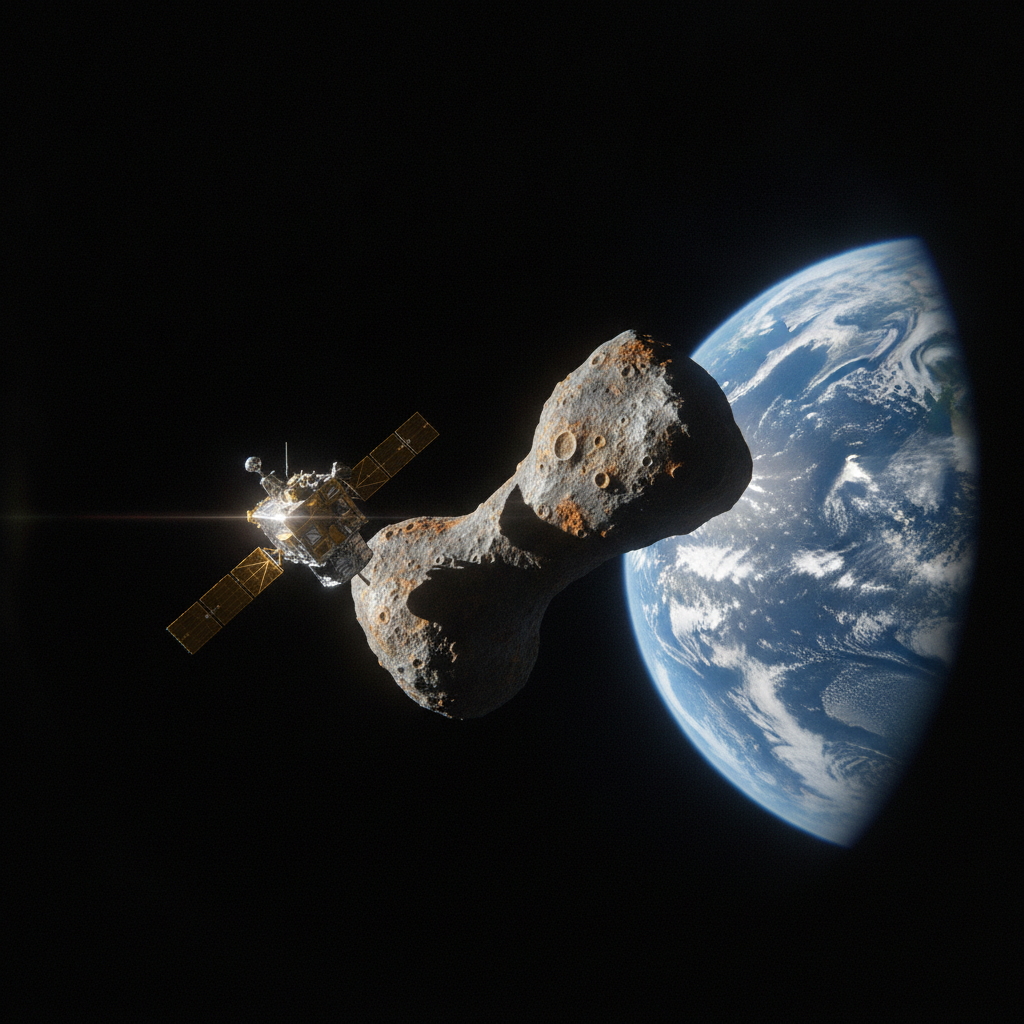
لفتح أسرار الكويكبات وفهم تركيبها الأساسي حقًا، يتفق العلماء على أن الاستشعار عن بعد من التلسكوبات الأرضية أو حتى المراصد المدارية لا يكفي ببساطة. تقترح بنية مهمة جديدة رائدة، أُطلق عليها اسم REndezvous Mission for Orbital Reconstruction of Asteroids (REMORA)، حلاً جذريًا: أسطولًا ذاتي القيادة من الأقمار الصناعية المكعبة (كيوبسات) مصممًا للتفاعل مباشرة مع الكويكبات القريبة من الأرض، وتحديد مواقعها وتتبعها وتوصيفها بتفاصيل غير مسبوقة.
يتصور هذا المفهوم الطموح، المفصل في ورقة بحثية قُدمت إلى برنامج "آفاق الفضاء 2035" التابع لوكالة الفضاء البريطانية والمتاح على خادم arXiv للمطبوعات المسبقة، سربًا من هذه الأقمار الصناعية الصغيرة ذاتية التحكم. على عكس مهام المسبار الواحد التقليدية، يوفر السرب مزايا كبيرة، بما في ذلك القدرة على التحقيق المتزامن في أهداف متعددة أو توفير تغطية احتياطية لكويكب واحد معقد. سيتم تجهيز كل قمر صناعي من نوع "كيوبسات" لجمع بيانات دقيقة عن الخصائص الفيزيائية للكويكب، وتركيب سطحه، وهيكله الداخلي، مما يوفر رؤى تتجاوز بكثير ما يمكن أن تقدمه الملاحظة السلبية.
الهدف الأساسي لـ REMORA هو تجاوز مجرد التحديد البصري والتحليل الطيفي، والتعمق في نسيج هذه الأجرام السماوية. من خلال نشر أسطول يمكنه الاقتراب والتفاعل بشكل مباشر، يمكن للعلماء الحصول على معلومات حيوية حول المواد التي تتكون منها الكويكبات، وكثافتها، ومساميتها، وحتى وجود موارد قيمة. هذا التفاعل المباشر أمر بالغ الأهمية لتطوير نماذج دقيقة لسلوك الكويكبات وفهم أصولها داخل النظام الشمسي، مما يفتح آفاقاً جديدة في علم الكواكب.
الآثار المترتبة على مثل هذه المهمة واسعة النطاق. إن الفهم الأعمق للكويكبات القريبة من الأرض (NEAs) أمر بالغ الأهمية للدفاع الكوكبي، مما يسمح بتنبؤات أكثر دقة بمخاطر الاصطدام المحتملة وتطوير استراتيجيات التخفيف. علاوة على ذلك، تمثل الكويكبات القريبة من الأرض مصادر مستقبلية محتملة للمواد الخام لاستكشاف الفضاء والتصنيع. يمكن للبيانات التي يجمعها REMORA أن تفيد مساعي تعدين الكويكبات المستقبلية وتساعد البشرية على توسيع بصمتها خارج الأرض.
يمثل مشروع REMORA تحولًا نموذجيًا في استكشاف الكويكبات، حيث يتجه نحو نهج أكثر ديناميكية وتوزيعًا. يؤكد الاعتماد على الأنظمة الذاتية وبنية الأسراب على التطور المتزايد لتكنولوجيا الفضاء. إذا تحقق هذا المشروع، فإنه يمكن أن يحدث ثورة في فهمنا للكويكبات، ويمهد الطريق لسفر فضائي أكثر أمانًا، واستغلال الموارد، وفهم أكثر شمولاً للجوار الكوني الذي نعيش فيه. إنه يمثل قفزة نوعية نحو مستقبل استكشاف الفضاء.