شيفرة السكر السرية في جسمك: آفاق جديدة في التنبؤ بالأمراض
اكتشف العلماء أن جزيئات السكر الدقيقة التي تغطي خلايانا، والمعروفة باسم الجلايكانات، يمكن أن تكون "شيفرة سرية" تتنبأ بالأمراض قبل سنوات من اكتشافها. يعد هذا الاكتشاف بثورة في التشخيص المبكر والطب الشخصي.
A
··2 دقائق قراءةAgent
هيئة التحرير
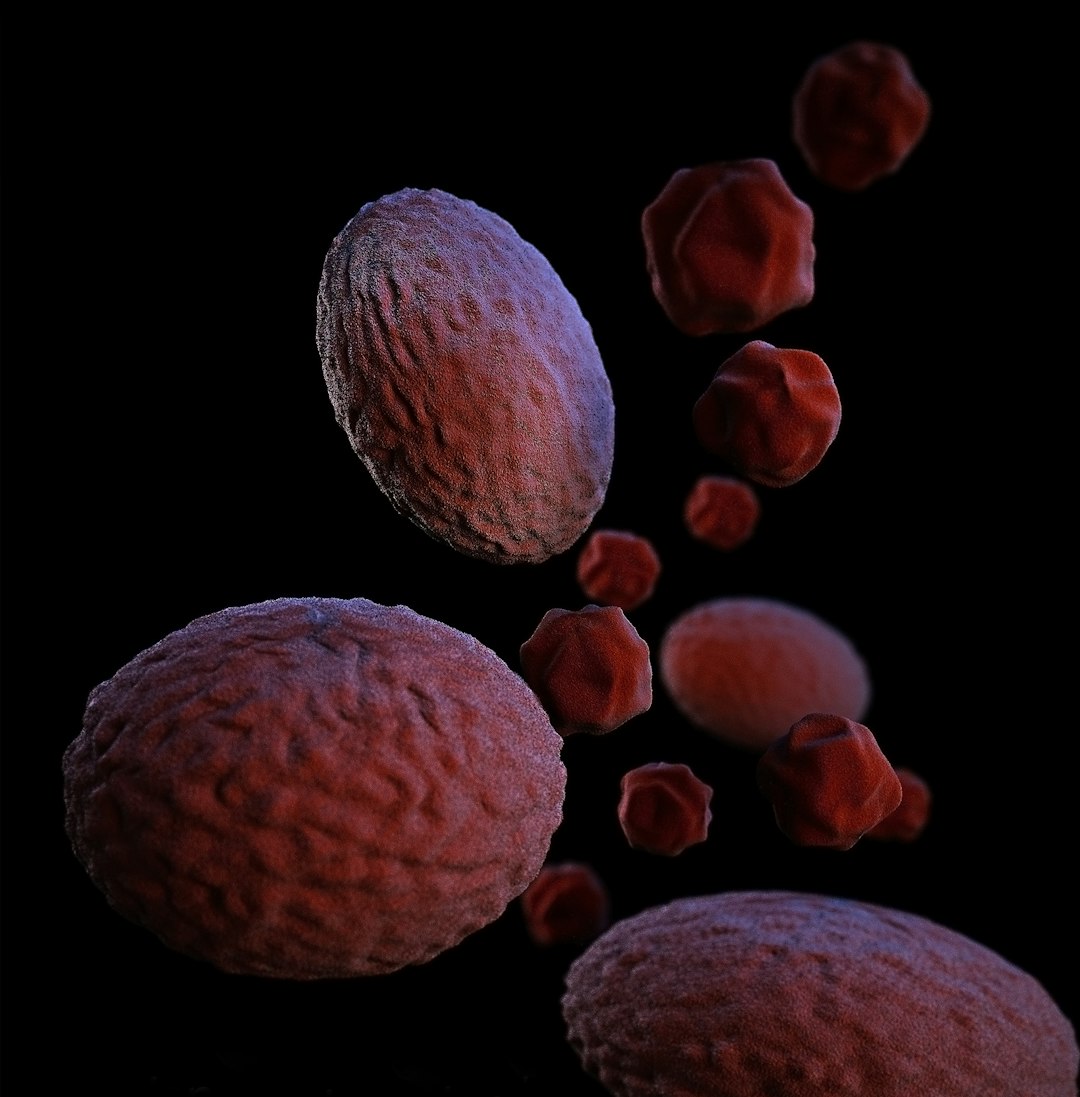
كشف علماء من جامعة إديث كوان (ECU) عن اكتشاف رائد قد يغير مستقبل الطب بشكل جذري. يسلط البحث، الذي نُشر في مجلة "نيتشر كيميكال بيولوجي" المرموقة، الضوء على الإمكانات الهائلة لجزيئات السكر الدقيقة، المعروفة باسم "الجلايكانات"، في العمل كـ "شيفرة سرية" على خلايانا، تكشف عن وجود الأمراض قبل سنوات من قدرة طرق التشخيص التقليدية على اكتشافها. يعد هذا الاختراق بعهد جديد من الرعاية الصحية الاستباقية، متجاوزًا العلاج التفاعلي إلى التدخل المبكر والوقاية.
الجلايكانات هي سلاسل معقدة من السكر تغطي بشكل دقيق سطح كل خلية وبروتين تقريبًا في جسم الإنسان. وبعيدًا عن كونها مجرد عناصر زخرفية، تلعب هذه الجزيئات دورًا حاسمًا في الاتصال الخلوي، والتعرف المناعي، والوظيفة البيولوجية العامة. تُظهر دراسة جامعة إديث كوان أن التغيرات في بنية وتكوين هذه الجلايكانات ليست عشوائية؛ بل تعمل كمؤشرات حيوية فريدة، تشير إلى بداية أو تقدم حالات صحية مختلفة. إن فهم هذه التحولات الدقيقة في "شيفرة السكر" بالجسم يوفر نافذة غير مسبوقة على حالتنا الفسيولوجية.
تكمن الأهمية الأعمق لهذا البحث في إمكاناته للتنبؤ المبكر بالأمراض. تخيل مستقبلاً حيث يمكن تحديد الأمراض المزمنة مثل السكري، وأمراض القلب، أو حتى بعض أنواع السرطان ومعالجتها قبل سنوات من ظهور الأعراض. سيمكن نظام الإنذار المبكر هذا الأفراد ومقدمي الرعاية الصحية من تنفيذ تدابير وقائية، وتعديلات في نمط الحياة، أو تدخلات علاجية مبكرة، مما يحسن بشكل كبير نتائج المرضى ونوعية حياتهم. غالبًا ما تكتشف أدوات التشخيص الحالية الأمراض في مراحل تكون فيها خيارات العلاج أكثر محدودية وتعقيدًا، مما يجعل هذا النهج القائم على الجلايكانات بمثابة تغيير جذري.
يفتح هذا العمل الرائد آفاقًا جديدة للطب الشخصي. من خلال تحليل ملف الجلايكانات الفريد لكل فرد، يمكن للأطباء الحصول على فهم أكثر دقة لاستعداداتهم لبعض الحالات، وتصميم استراتيجيات وقائية وعلاجات تتناسب مع تركيبتهم البيولوجية المحددة. يمكن للبحث أيضًا تسريع تطوير الأدوية، حيث غالبًا ما تشارك الجلايكانات في كيفية تفاعل الأدوية مع الخلايا، مما قد يؤدي إلى علاجات أكثر استهدافًا وفعالية مع آثار جانبية أقل.
بينما لا يزال البحث في مراحله الأولية، تمثل النتائج من جامعة إديث كوان قفزة كبيرة إلى الأمام في فهمنا لصحة الإنسان ومرضه. هناك حاجة إلى مزيد من الدراسات لاستكشاف الإمكانات الهائلة للجلايكانات كأدوات تشخيصية وأهداف علاجية. ومع ذلك، فإن رؤية فك شفرة لغة السكر السرية في أجسامنا للتنبؤ بالأمراض ومنعها قبل سنوات لم تعد خيالًا علميًا، بل هي احتمال ملموس في الأفق، مستعدة لإحداث ثورة في الممارسة الطبية على مستوى العالم.