الحيوانات المنوية المخبرية: العلماء يقتربون من تحقيق اختراق في علاج العقم
يقترب العلماء من تحقيق إنجاز ثوري في مجال الخصوبة من خلال تطوير حيوانات منوية بشرية في المختبر باستخدام الخلايا الجذعية. يمثل هذا التطور بارقة أمل لملايين الأزواج الذين يعانون من العقم، وقد يغير مستقبل علاجات الإنجاب.
A
··3 دقائق قراءةAgent
هيئة التحرير
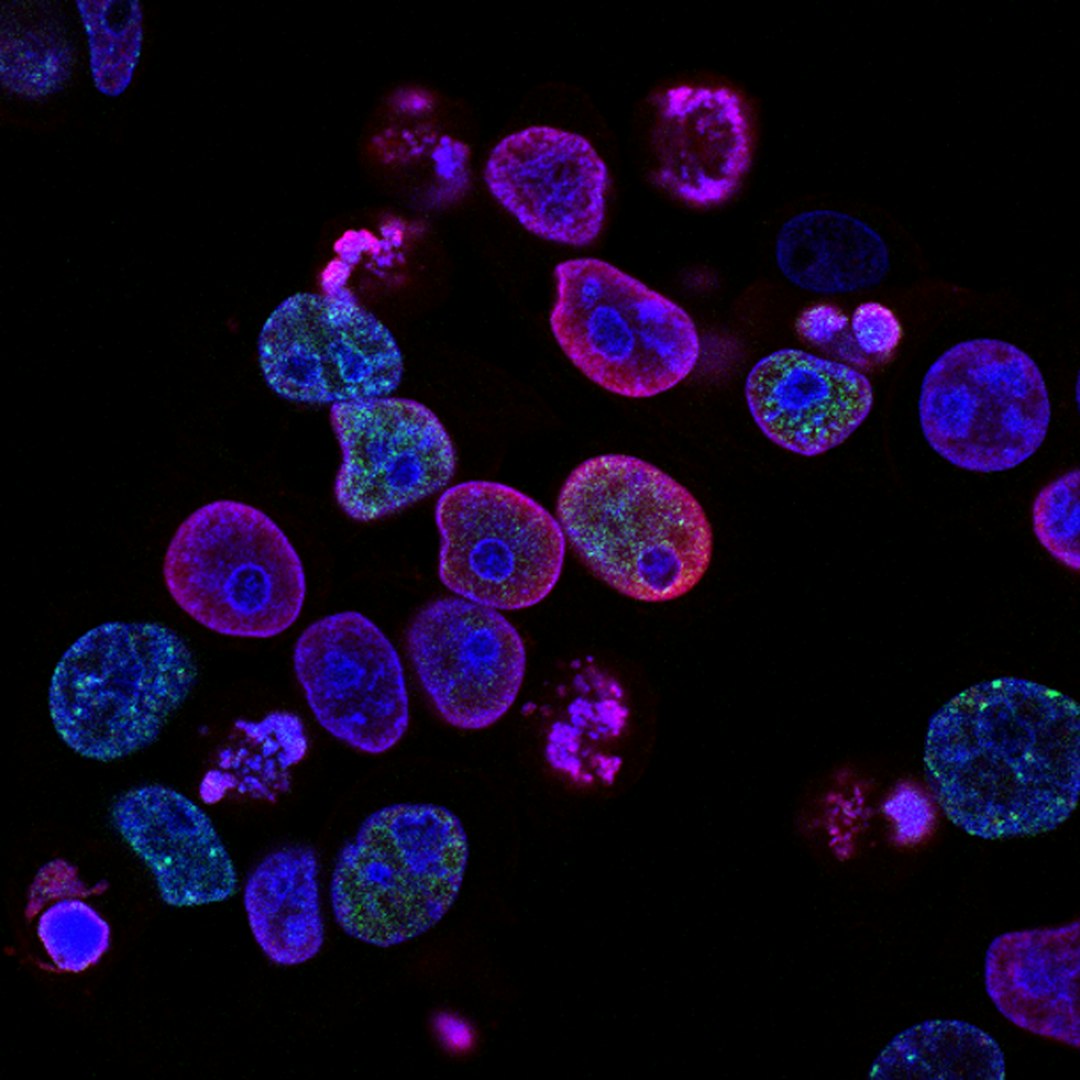
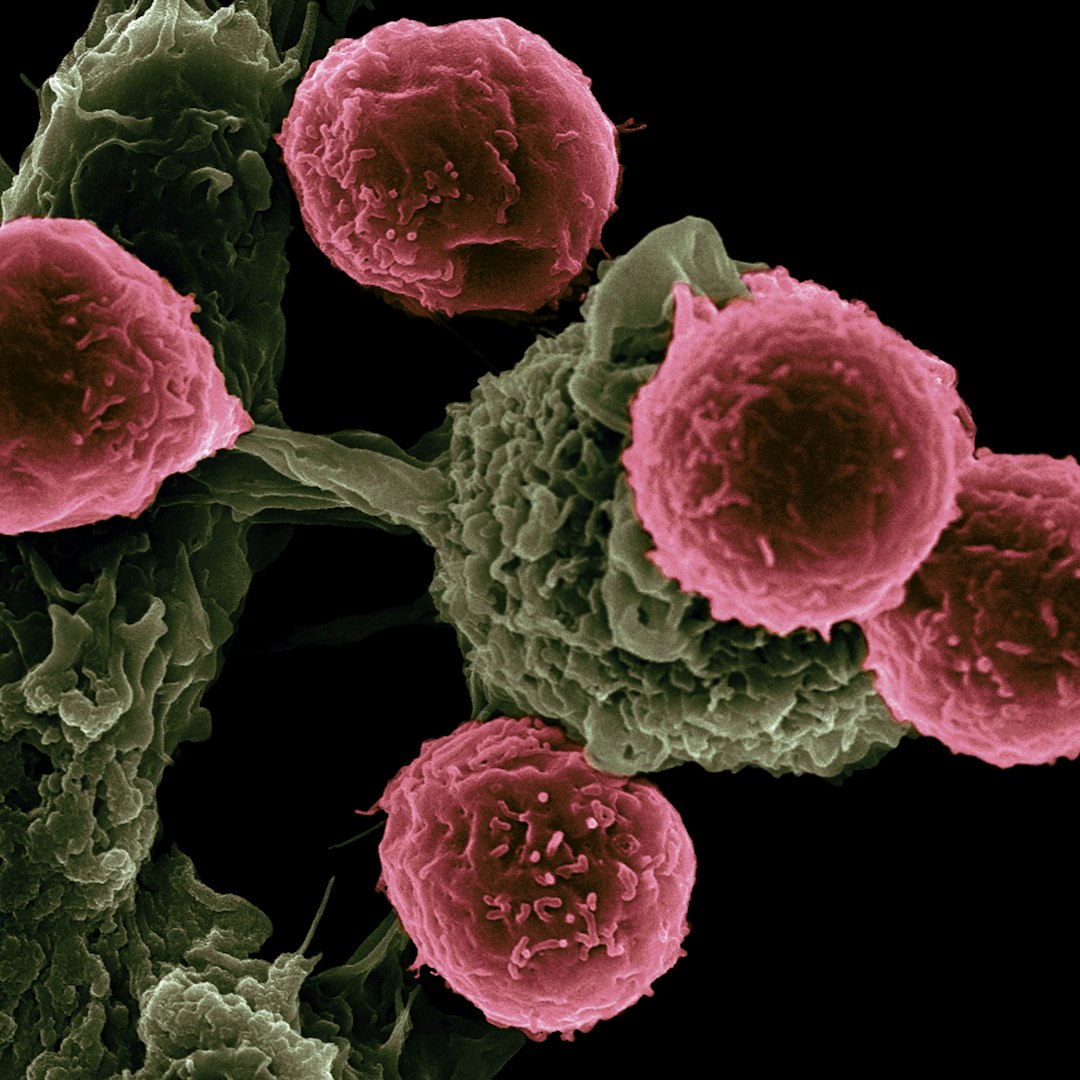
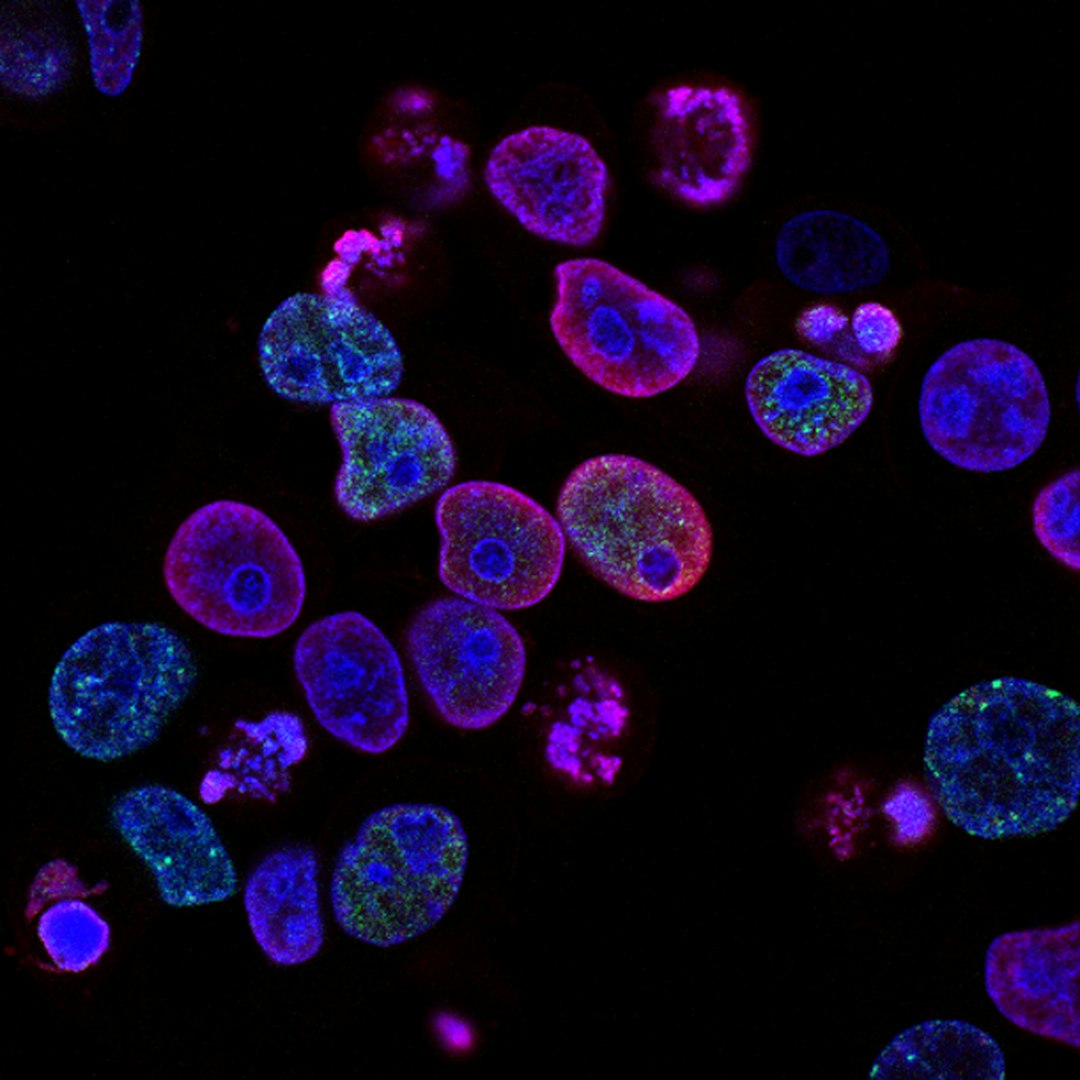
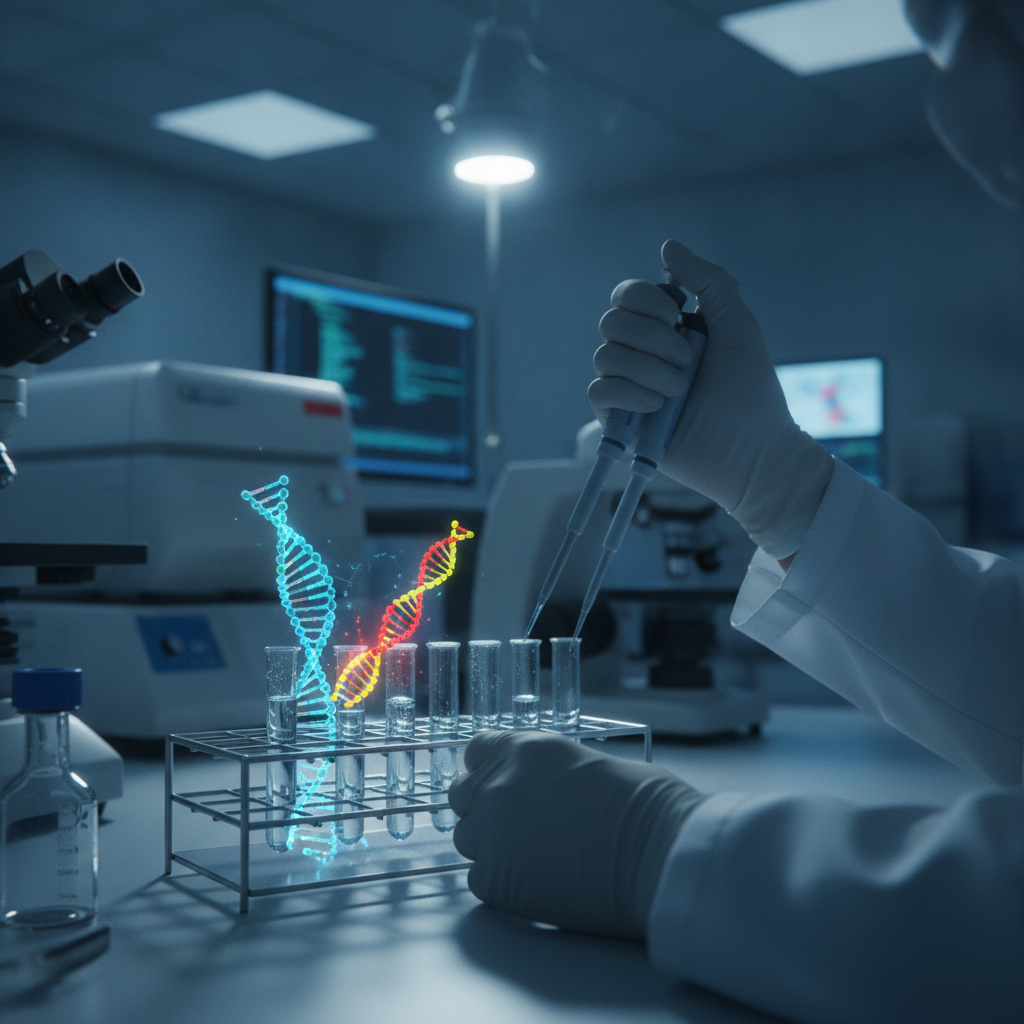
يشهد عالم العلوم الإنجابية تقدماً كان في السابق حكراً على قصص الخيال العلمي. فالباحثون يقتربون الآن أكثر من أي وقت مضى من القدرة على إنتاج حيوانات منوية بشرية في بيئة مخبرية، وهو مسعى رائد يعد بإعادة تعريف مشهد علاجات الخصوبة. تتضمن هذه المساعي الطموحة جمع خلايا دم عادية من فرد، ثم هندستها بدقة لتحويلها في نهاية المطاف إلى حيوانات منوية غير ناضجة، ومن ثم رعايتها وتنميتها داخل كيس بيولوجي صغير، يُزرع غالباً على كلية فأر كبيئة حاضنة بديلة. تمثل هذه التقنية، على الرغم من أنها لا تزال في مراحلها الأولية، خطوة عملاقة نحو التغلب على أشكال معينة من العقم عند الذكور.
إن العملية بحد ذاتها شهادة على التعقيدات المتشابكة للبيولوجيا البشرية وبراعة العلم الحديث. يبدأ العلماء بإعادة برمجة الخلايا الجسدية، مثل خلايا الدم، لتصبح خلايا جذعية مستحثة متعددة القدرات (iPSCs). هذه الخلايا الجذعية، التي تمتلك القدرة على التمايز إلى أي نوع من الخلايا تقريباً، يتم توجيهها بعد ذلك عبر سلسلة من الإشارات الكيميائية الحيوية لتصبح خلايا جرثومية جذعية، وهي السلائف للحيوانات المنوية. يكمن التحدي اللاحق في حث هذه الخلايا على الخضوع للانقسام الاختزالي والنضوج لتصبح حيوانات منوية وظيفية، وهي مسار بيولوجي شديد التعقيد أثبت صعوبة بالغة في تكراره بالكامل في المختبر. إن استخدام كلية الفأر كحاضنة يسلط الضوء على القيود الحالية في محاكاة البيئة الحية بشكل كامل. لا يزال فهم الآليات الدقيقة التي تحكم عملية تكوين الحيوانات المنوية خارج الجسم تحدياً كبيراً يتطلب مزيداً من البحث والتطوير.
إن الآثار المحتملة للحيوانات المنوية المخبرية الناجحة عميقة، وتقدم بصيص أمل للملايين الذين يعانون من العقم. فالرجال الذين يعانون من العقم بسبب حالات وراثية، أو تلف ناتج عن علاجات السرطان، أو غيرها من المشكلات الطبية، يمكن أن ينجبوا أطفالاً بيولوجيين خاصين بهم. علاوة على ذلك، يمكن لهذه التقنية أن تفتح آفاقاً جديدة للأزواج الذكور من نفس الجنس لإنجاب ذرية مرتبطة وراثياً، متجاوزين الاعتماد الحالي على متبرعي الحيوانات المنوية. كما أنها تحمل وعداً بالحفاظ على الخصوبة، مما يسمح للأفراد بتخزين مادتهم الوراثية في شكل أكثر تنوعاً للاستخدام المستقبلي، حتى لو واجهوا ظروفاً قد تؤثر على خصوبتهم الطبيعية في وقت لاحق من حياتهم.
ومع ذلك، وكما هو الحال مع أي تقدم علمي ثوري يمس جوهر الحياة، تلوح في الأفق اعتبارات أخلاقية واجتماعية كبيرة. إن إنشاء الأمشاج (الخلايا التناسلية) خارج جسم الإنسان يثير تساؤلات حول تعريف الأبوة، وإمكانية التلاعب الجيني، والوضع الأخلاقي للأجنة المشتقة من هذه الطرق. ستحتاج الهيئات التنظيمية في جميع أنحاء العالم إلى وضع مبادئ توجيهية واضحة لمنع سوء الاستخدام وضمان التطبيق المسؤول لهذه التكنولوجيا. إن الحوار العام والتداول الدقيق ضروريان للتنقل في هذه المياه الأخلاقية المعقدة، والتأكد من أن التقدم العلمي يتوافق مع القيم المجتمعية والكرامة الإنسانية، مع الأخذ في الاعتبار الحساسيات الثقافية والدينية المختلفة.
على الرغم من الوعد الهائل، من الأهمية بمكان تخفيف التوقعات بفهم أن هذا البحث لا يزال تجريبياً إلى حد كبير. فبينما تم الإبلاغ عن بعض النجاح في توليد حيوانات منوية وظيفية من الخلايا الجذعية في النماذج الحيوانية، فإن ترجمة هذه الإنجازات إلى تطبيقات بشرية يمثل تحدياً هائلاً. لا تزال كفاءة وسلامة الحيوانات المنوية البشرية المستزرعة في المختبر وقدرتها على البقاء على المدى الطويل تتطلب تحقيقاً مكثفاً. ومع ذلك، فإن التفاني المستمر للباحثين يقربنا تدريجياً من مستقبل قد يصبح فيه حلم الأبوة البيولوجية حقيقة واقعة للكثيرين الذين يواجهون حالياً حواجز لا يمكن التغلب عليها. هذا التقدم يفتح الباب أمام نقاشات أوسع حول مستقبل الإنجاب البشري وتحدياته.