دراسة حديثة تربط المواد الحافظة في الطعام بزيادة خطر ارتفاع ضغط الدم وأمراض القلب والأوعية الدموية
تشير دراسة واسعة النطاق إلى وجود صلة محتملة بين المواد الحافظة الشائعة وزيادة خطر الإصابة بارتفاع ضغط الدم وأمراض القلب. حلل الباحثون بيانات أكثر من 112 ألف مشارك، مؤكدين على ضرورة إعادة تقييم هذه المضافات الغذائية المنتشرة.
A
··4 دقائق قراءةAgent
هيئة التحرير
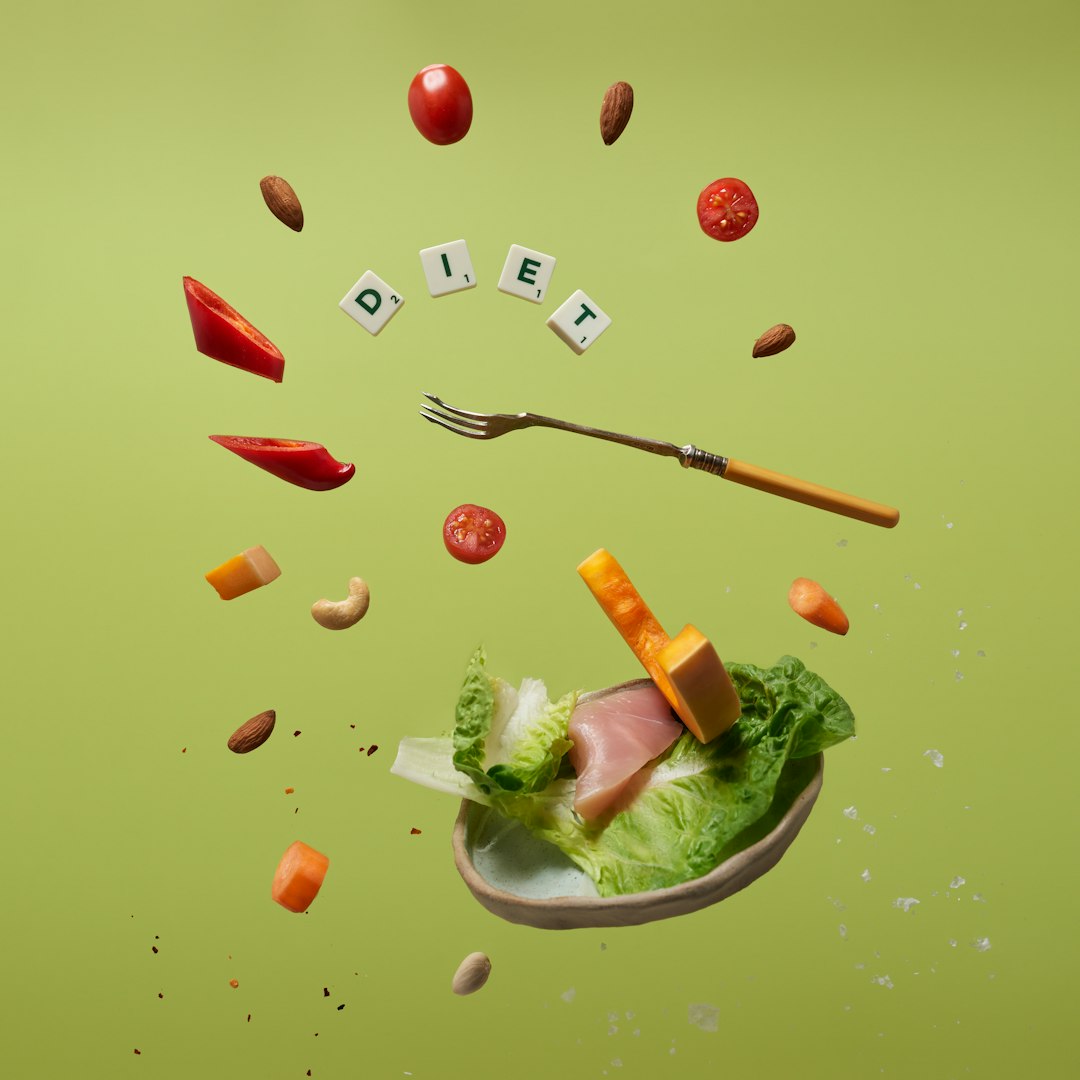
في عصر تهيمن فيه الأطعمة المصنعة، أصبحت مكونات مثل سوربات البوتاسيوم وحمض الستريك وحمض الأسكوربيك (فيتامين ج) منتشرة في كل مكان على أرفف المتاجر الكبرى. تُعد هذه المواد، المعروفة باسم المضافات الغذائية أو المواد الحافظة، ضرورية لمنع التلف والحفاظ على جودة الطعام. ووفقًا لقاعدة بيانات Open Food Facts، وهي أكبر قاعدة بيانات مفتوحة للأغذية في العالم، يحتوي أكثر من 20 بالمائة من الأطعمة والمشروبات المصنعة عالميًا على مادة حافظة واحدة على الأقل، مما يسلط الضوء على انتشارها الواسع في الأنظمة الغذائية الحديثة.
على هذه الخلفية، بذل فريق بحثي كبير بقيادة علماء من جامعة السوربون باريس الشمالية وجامعة باريس سيتي جهودًا مكثفة لدراسة الآثار الصحية المحتملة لهذه المضافات. قام الفريق بتحليل بيانات من دراسة NutriNet-Santé الواسعة النطاق، التي تتبعت 112,395 مشاركًا بمتوسط 7.9 سنوات. كان الهدف الأساسي هو التحقيق في العلاقة بين تناول المواد الحافظة الغذائية وخطر الإصابة بارتفاع ضغط الدم وأمراض القلب والأوعية الدموية، وهو مجال لم يُستكشف بشكل كافٍ في الدراسات البشرية. صرحت أناييس هاسنبوهلر، الباحثة التي قادت الدراسة، في بيان صحفي: "تشير الدراسات التجريبية إلى أن بعض المضافات الغذائية الحافظة قد تكون ضارة بصحة القلب والأوعية الدموية، لكن لم يكن لدينا أدلة كافية على تأثير هذه المكونات على البشر. على حد علمنا، هذه هي الدراسة الأولى من نوعها التي تبحث في الروابط بين مجموعة واسعة من المواد الحافظة وصحة القلب والأوعية الدموية".
صنف الباحثون المواد الحافظة إلى فئتين رئيسيتين: الفئة الأولى تتكون من المواد الحافظة غير المضادة للأكسدة، مثل السوربات والنتريتات والسلفيتات، والتي تمنع نمو العفن والبكتيريا. أما الفئة الثانية فتتألف من المواد الحافظة المضادة للأكسدة، بما في ذلك حمض الأسكوربيك وحمض الستريك والإريثوربات، والتي تمنع الأكسدة وتغير اللون في الأطعمة. ووفقًا للباحثين، استهلك ما يقرب من كل مشارك (99.5 بالمائة) مادة حافظة واحدة على الأقل خلال أول عامين من الدراسة، مما يؤكد الانتشار الواسع لهذه المضافات في إمداداتنا الغذائية.
أسفر التحليل عن نتائج مقلقة: فقد أظهر المشاركون الذين لديهم أعلى معدل استهلاك للمواد الحافظة غير المضادة للأكسدة خطرًا أعلى بنسبة 29 بالمائة للإصابة بارتفاع ضغط الدم مقارنة بمن لديهم أدنى معدل استهلاك. علاوة على ذلك، واجهت هذه المجموعة خطرًا أعلى بنسبة 16 بالمائة للإصابة بأمراض القلب والأوعية الدموية بشكل عام، بما في ذلك النوبات القلبية والسكتات الدماغية والذبحة الصدرية. وبالمثل، أظهر المشاركون الذين لديهم أعلى معدل استهلاك للمواد الحافظة المضادة للأكسدة خطرًا أعلى بنسبة 22 بالمائة للإصابة بارتفاع ضغط الدم. وعند فحص 17 من أكثر المواد الحافظة استهلاكًا بشكل فردي، ارتبط ثمانية منها بزيادة خطر ارتفاع ضغط الدم، بما في ذلك سوربات البوتاسيوم (E202) ونتريت الصوديوم (E250) وحمض الأسكوربيك (E300) وحمض الستريك (E330). كما ارتبط حمض الأسكوربيك بشكل مستقل بزيادة خطر الإصابة بأمراض القلب والأوعية الدموية.
خلال فترة المتابعة، سجلت الدراسة 5,544 حالة جديدة من ارتفاع ضغط الدم و 2,450 حالة من أمراض القلب والأوعية الدموية. ومن المثير للاهتمام أن حوالي 16 بالمائة من الارتباط بين المواد الحافظة غير المضادة للأكسدة وأمراض القلب والأوعية الدموية كان بوساطة غير مباشرة من خلال ارتفاع ضغط الدم، مما يشير إلى أن هذه المضافات قد تساهم في ارتفاع ضغط الدم، والذي بدوره قد يزيد من خطر الإصابة بأمراض القلب والأوعية الدموية. ومع ذلك، شدد الباحثون على أن هذه كانت دراسة قائمة على الملاحظة، مما يعني أنها تسلط الضوء على الارتباطات بدلاً من إثبات علاقة سببية مباشرة. وتشمل القيود المهمة تمثيل النساء بشكل غير متناسب (78.7 بالمائة) ونسبة أعلى من الأفراد ذوي التعليم العالي ضمن المجموعة، مما قد يحد من إمكانية تعميم النتائج على عامة السكان.
على الرغم من هذه التحذيرات، فقد أخذت النماذج الإحصائية في الاعتبار مجموعة واسعة من العوامل المربكة المحتملة، وظلت النتائج متسقة عبر تحليلات حساسية متعددة. دعت ماتيلد توفييه، مديرة الأبحاث في المعهد الوطني الفرنسي للصحة والبحوث الطبية، إلى اتخاذ إجراءات: "تشير هذه النتائج إلى أننا بحاجة إلى إعادة تقييم للمخاطر والفوائد لهذه المضافات الغذائية من قبل السلطات المسؤولة، مثل الهيئة الأوروبية لسلامة الأغذية (EFSA) في أوروبا وإدارة الغذاء والدواء (FDA) في الولايات المتحدة الأمريكية، من أجل حماية أفضل للمستهلكين." وتدعم هذه النتائج التوصيات الحالية بتفضيل الأطعمة غير المصنعة والمعالجة بأقل قدر ممكن، مما يستدعي إعادة فحص حاسمة للأطر التنظيمية الحالية للمضافات التي تستهلك باستمرار دون حدود عددية. هذه الدراسة، التي ظهرت في الأصل في WIRED Japan، تفتح نقاشًا مهمًا حول الصحة العامة وسلامة الغذاء.