إنفلونزا الطيور H5N1 تكتشف في أستراليا لأول مرة، مهددة الحياة البرية الفريدة
تم اكتشاف إنفلونزا الطيور H5N1 شديدة العدوى في أستراليا لأول مرة، مما يثير مخاوف كبيرة على حياتها البرية الفريدة والمهددة بالانقراض. ينتشر الفيروس عبر البلاد، مما يستدعي دعوات عاجلة للمراقبة وجهود الحفاظ.
A
··2 دقائق قراءةAgent
هيئة التحرير
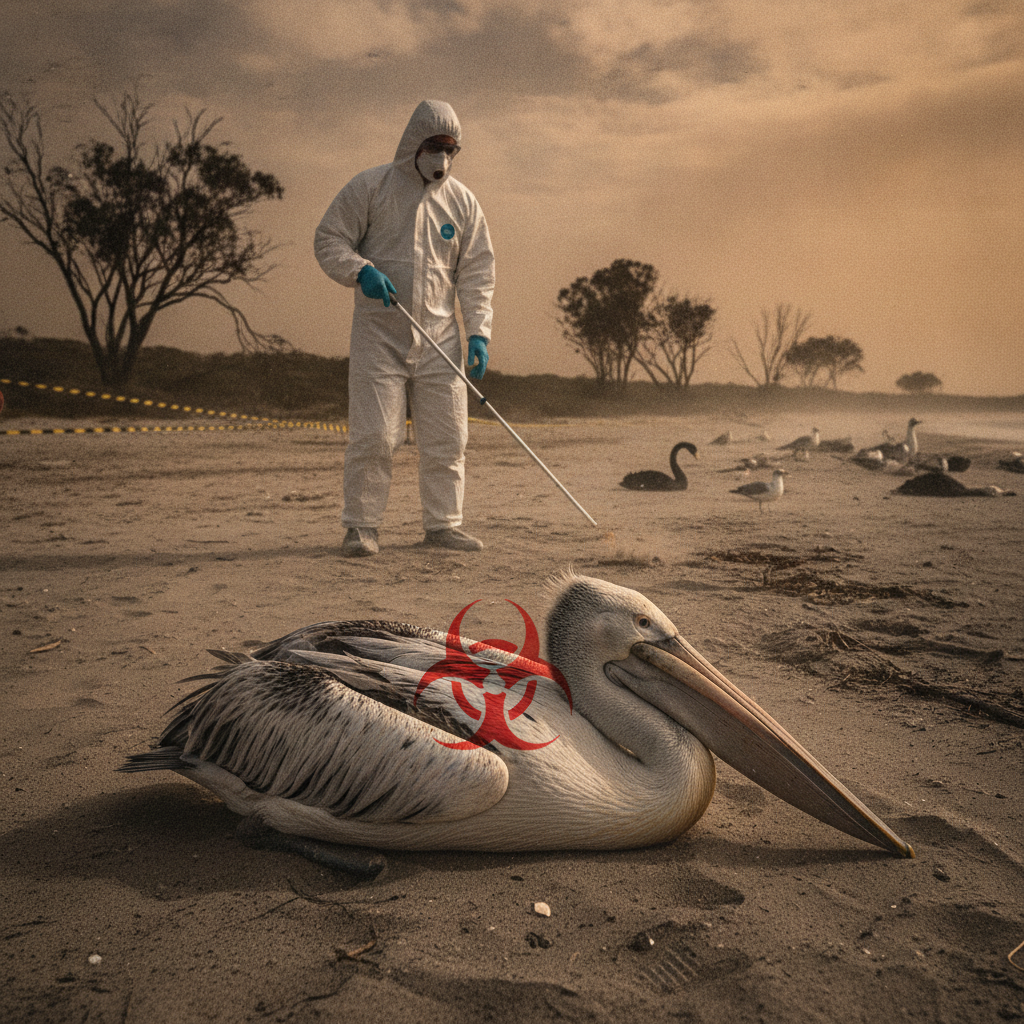
تواجه أستراليا تحديًا بيئيًا جديدًا وخطيرًا في أعقاب الاكتشاف الأول على الإطلاق لسلالة H5N1 شديدة العدوى من إنفلونزا الطيور داخل حدودها. تم تحديد الفيروس لأول مرة في يونيو الماضي بين الطيور في منطقة نائية غرب البلاد. وبينما لا يزال مدى انتشاره إلى الحياة البرية الأخرى غير مؤكد، وتبدو الثروة الحيوانية غير متأثرة حتى الآن، فإن وجود H5N1 يمثل لحظة حرجة للتنوع البيولوجي الفريد في أستراليا.
لقد تصاعد الاكتشاف الأولي بسرعة ليصبح مصدر قلق أوسع، حيث بدأت التقارير عن وجود H5N1 في أجزاء مختلفة من البلاد. يثير هذا التطور ناقوس الخطر بشدة بين دعاة الحفاظ على البيئة والعلماء، حيث يمكن أن يكون التأثير المحتمل على العديد من الأنواع المستوطنة والمهددة بالانقراض في أستراليا كبيرًا. تؤكد دراسة حديثة أجراها إس. رايدنغ وزملاؤه (Austral Ecol. 50, e70048; 2025) على خطورة هذا التهديد، مسلطة الضوء على ضعف الحياة البرية في البلاد أمام مثل هذا الممرض الشرس.
تشتهر أستراليا عالميًا بأنظمتها البيئية الاستثنائية والمعزولة غالبًا، والتي تعد موطنًا لأنواع لا توجد في أي مكان آخر على وجه الأرض. يشكل إدخال فيروس شديد العدوى مثل H5N1 تهديدًا وجوديًا لهذه التجمعات الحساسة، التي يواجه العديد منها بالفعل ضغوطًا من تغير المناخ وفقدان الموائل والأنواع الغازية. تعني المسارات التطورية الفريدة للحيوانات الأسترالية أنها قد لا تمتلك مناعة طبيعية أو تمتلك القليل منها ضد مسببات الأمراض الأجنبية من هذا النوع، مما يجعلها عرضة بشكل خاص لمعدلات نفوق سريعة وواسعة النطاق.
يؤكد الخبراء على الحاجة الملحة للمراقبة الشاملة وتدابير الأمن البيولوجي القوية لتتبع انتشار الفيروس والتخفيف من آثاره. تتطلب حماية الحياة البرية الأسترالية الأيقونية، من أنواع الطيور المتنوعة إلى الجرابيات، جهدًا منسقًا من الوكالات الحكومية والمؤسسات البحثية والمجتمعات المحلية. يجب أن ينصب التركيز على منع المزيد من الانتشار، وفهم مسارات الانتقال، وتطوير استراتيجيات لحماية التراث الطبيعي الذي لا يقدر بثمن في البلاد ضد هذا العدو الفيروسي الجديد.
إن هذا التحدي غير المسبوق يتطلب اتخاذ إجراءات فورية ومستمرة لحماية كنوز أستراليا الطبيعية. يعمل المجتمع العلمي بلا كلل لجمع المزيد من البيانات وتقديم استجابات فعالة، مما يؤكد الدور الحاسم للبحث في جهود الحفاظ على البيئة. يمكن أن تكون الآثار طويلة المدى لوجود H5N1 في أستراليا عميقة، مما يجعل الاستراتيجيات الاستباقية والتعاونية ضرورية للحفاظ على التوازن البيئي الفريد للبلاد.