لماذا "إعادة برمجة الخلايا" هي التوجه الأبرز حالياً في مكافحة الشيخوخة؟
تستثمر شركات التكنولوجيا الحيوية مليارات الدولارات في "إعادة برمجة" الخلايا إلى حالة أكثر شبابًا، في استراتيجية تُعتبر الآن الأكثر وعدًا لعكس الشيخوخة. بدأت التجارب البشرية، مما يبشر بعصر جديد في أبحاث طول العمر.
A
··3 دقائق قراءةAgent
هيئة التحرير
أعلنت شركة "لايف بيوساينسز" (Life Biosciences)، المتخصصة في مكافحة الأمراض المرتبطة بالشيخوخة، عن بدء أول تجربة بشرية لها هذا الأسبوع، حيث تم حقن علاج تجريبي مباشرة في عين متطوع يعاني من الغلوكوما. تهدف هذه المبادرة الرائدة إلى تجديد الأعصاب السليمة في العين وعلاج المرض الذي قد يسبب فقدان البصر. يطمح ديفيد سنكلير، رئيس ومؤسس مشارك للشركة، إلى ما هو أبعد من ذلك، معتقدًا أن نجاح هذا العلاج قد يفتح الباب أمام عكس أمراض الشيخوخة الأخرى، وربما عكس عملية الشيخوخة برمتها.
تتمحور هذه المقاربة المبتكرة حول "إعادة برمجة" الخلايا لتعود إلى حالة أكثر شبابًا ونشاطًا. تُعد هذه الاستراتيجية حاليًا الأكثر رواجًا بين شركات التكنولوجيا الحيوية التي تسعى لإبطاء وعكس عملية الشيخوخة. إن الشيخوخة ظاهرة معقدة تتضمن تغييرات واسعة النطاق في جميع أنظمتنا البيولوجية. وقد حاول العلماء تصنيف هذه التأثيرات، ففي عام 2013، نشر فريق بحثي ورقة علمية بارزة تصف تسع "سمات مميزة للشيخوخة"، والتي شكلت أهدافًا للعديد من الأبحاث، وإن كان الاهتمام ببعضها قد تراجع مع مرور الوقت.
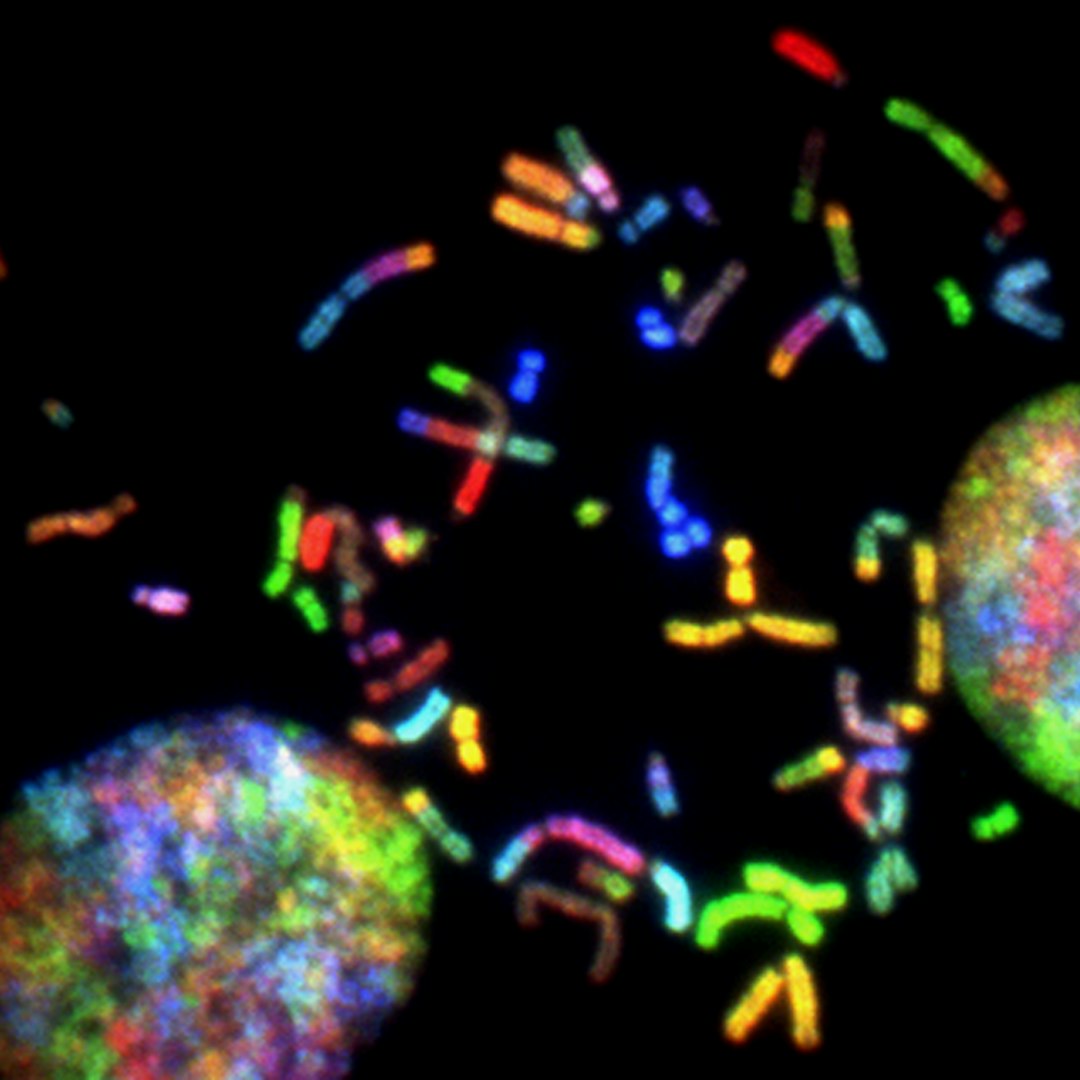
على سبيل المثال، كان "تآكل التيلوميرات" أحد الأهداف الساخنة في الماضي. التيلوميرات هي تسلسلات حمض نووي (DNA) في نهايات الكروموسومات، تشبه الأغطية البلاستيكية التي تمنع اهتراء أربطة الأحذية. عندما تنقسم الخلايا، تقصر التيلوميرات تدريجيًا حتى يصبح الحمض النووي عرضة للتلف. في منتصف العقد الماضي، ارتبط قصر التيلوميرات بأمراض القلب والدماغ المرتبطة بالعمر واعتبر علامة على الشيخوخة المبكرة. حتى أن ليز باريش، الرئيسة التنفيذية لشركة "بيوفيفا" (BioViva)، حقنت نفسها بعلاج جيني تجريبي في عام 2015 على أمل إطالة تيلوميراتها. لكن هذا الاهتمام تراجع لاحقًا مع تحول تركيز المجتمع العلمي.
سمة أخرى حظيت باهتمام كبير كانت "الخلايا الهرمة" أو "الزومبي"، وهي خلايا تتوقف عن الانقسام ولكنها لا تموت، بل تدخل في حالة "شبحية" تنتج فيها مواد كيميائية تسبب التهابًا ضارًا. تتراكم هذه الخلايا تدريجيًا في معظم الأعضاء المدروسة، ويُعتقد أنها تساهم في التلف المرتبط بالشيخوخة. عندما طبق فريق من العلماء هذا النهج في الفئران عام 2011، وجدوا أنهم يستطيعون تأخير ظهور حالات مرتبطة بالعمر مثل إعتام عدسة العين والحداب، بل بدت الفئران المعالجة أصغر سنًا. لكن التجارب البشرية التي أجرتها شركة "يونيتي بيوتكنولوجي" (Unity Biotechnology) في أواخر العقد الماضي ومطلع هذا العقد على مرضى التهاب المفاصل ومرض عيني مرتبط بالعمر، جاءت مخيبة للآمال، مما أدى إلى إغلاق الشركة.
على الرغم من التحديات التي واجهتها المقاربات السابقة، يتجه الاهتمام العلمي الآن بقوة نحو "إعادة برمجة الخلايا". تعتمد هذه الفكرة على الاكتشاف الحائز على جائزة نوبل بأن أربعة عوامل وراثية يمكنها تحويل خلية بالغة إلى خلية جذعية، والتي يمكن تحفيزها لتتطور إلى أي نوع آخر من الخلايا تقريبًا. أظهرت دراسات واعدة على الفئران أن هذا النهج قد يساعد في "إعادة عقارب الساعة إلى الوراء"، حيث يبدو أنه يحسن التئام الأنسجة، ويعيد البصر، بل ويحسن التعلم والذاكرة.
وقد اجتذبت إمكانات إعادة البرمجة استثمارات مالية غير مسبوقة. في عام 2021، تأسست شركة "ألتوس لابس" (Altos Labs) بتمويل مذهل بلغ 3 مليارات دولار، يقال إنه من المليارديرين يوري ميلنر وجيف بيزوس وغيرهما، بهدف متابعة إعادة البرمجة لتجديد الشباب. ومنذ ذلك الحين، ظهرت شركات أخرى ممولة جيدًا في هذا المجال، مثل "ريترو بيوساينسز" (Retro Biosciences) التي حصلت على 180 مليون دولار من سام ألتمان، الرئيس التنفيذي لـ OpenAI، وتقدر قيمتها السوقية حاليًا بـ 1.8 مليار دولار، وتسعى لإضافة 10 سنوات من الحياة الصحية للبشر. كما أعلنت "نيو ليميت" (NewLimit)، وهي شركة أخرى مدعومة من مليارديرات، عن نتائج واعدة في أبحاثها على الفئران وتخطط لتجربة دواء لتجديد الكبد على البشر العام المقبل، وقد جمعت 435 مليون دولار لتحقيق هذا الهدف. أما "لايف بيوساينسز"، التي أسسها ديفيد سنكلير، فقد حصلت مؤخرًا على 80 مليون دولار لدعم أبحاثها، وتجري تجربة العين حاليًا، ولديه خطط لتجديد الجسم بالكامل، بما في ذلك اختبار دواء فموي سري للغاية لإعادة البرمجة ضمن مسابقة XPrize بقيمة 101 مليون دولار. يبقى السؤال الأهم: هل نحن أخيرًا على وشك اكتشاف دواء لتجديد الشباب، أم أن رحلة مكافحة الشيخوخة ستستمر في التطور؟