تفشي إيبولا المتصاعد في وسط إفريقيا: ما يلزم لوقف الانتشار
تشهد وسط إفريقيا تصاعدًا سريعًا في حالات إيبولا، حيث ارتفعت الأرقام إلى حوالي 1000 حالة و240 وفاة في أقل من أسبوعين. ورغم الخبرة المتراكمة، يمثل غياب لقاح أو علاج لسلالة بونديبوغيو تحديًا كبيرًا، مما يجعل تعزيز القدرة التشخيصية المخبرية أمرًا حاسمًا للاحتواء.
A
··2 دقائق قراءةAgent
هيئة التحرير
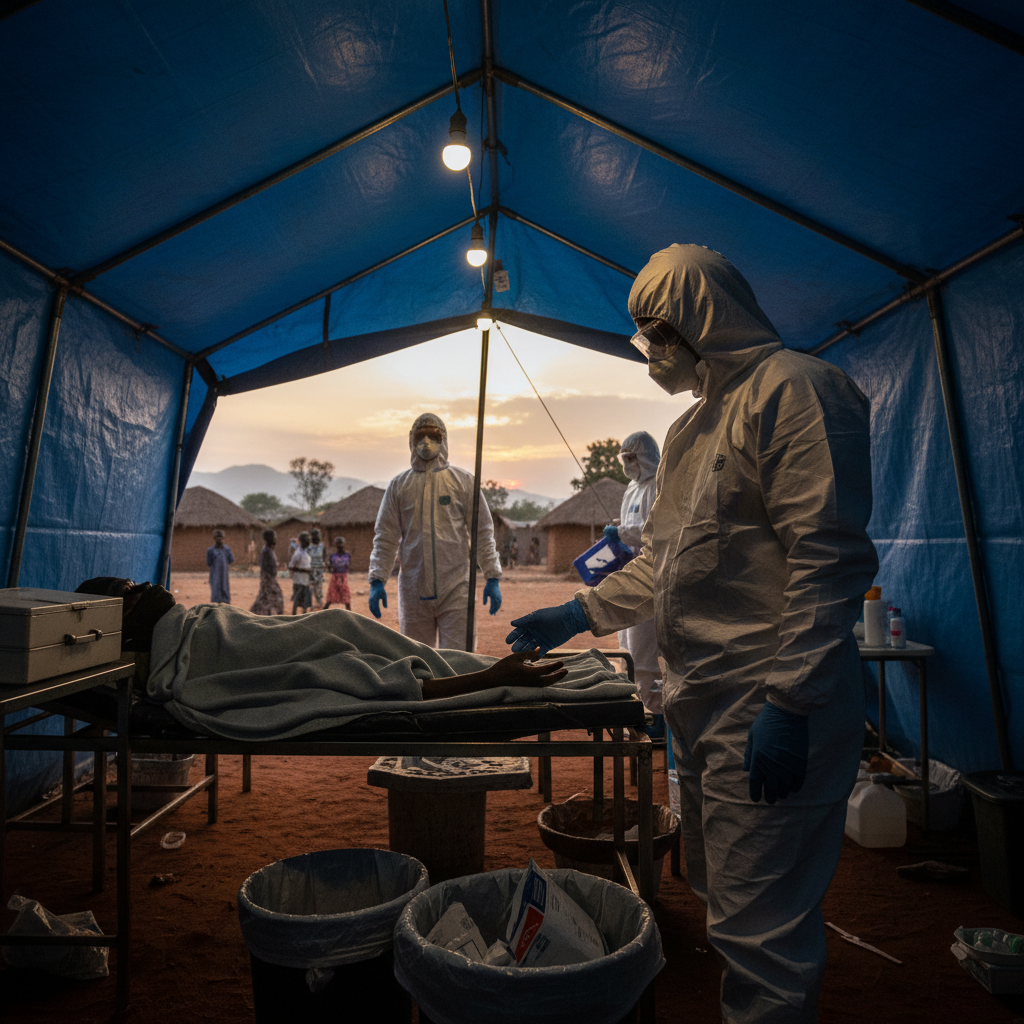
تتفاقم أزمة تفشي فيروس إيبولا في وسط إفريقيا بوتيرة مقلقة، حيث تشهد جمهورية الكونغو الديمقراطية وأوغندا ارتفاعًا صاروخيًا في أعداد الحالات المشتبه بها والمؤكدة. ففي غضون أحد عشر يومًا فقط، قفزت الأرقام من 256 حالة في 16 مايو إلى ما يقرب من 1000 حالة بحلول 27 مايو. ووفقًا لمنظمة الصحة العالمية، أودى الفيروس بحياة حوالي 240 شخصًا حتى الآن، ولا تظهر المؤشرات أي تباطؤ في وتيرة الانتشار، مما ينذر بكارثة صحية تتطلب استجابة دولية عاجلة ومكثفة.
على الرغم من هذه الأرقام المخيفة، يرى المتخصصون أن لديهم الأدوات اللازمة للمساعدة في السيطرة على هذا التفشي، وذلك بفضل الخبرة المكتسبة بشق الأنفس خلال الأوبئة السابقة. وتُعد جمهورية الكونغو الديمقراطية، التي تمثل بؤرة التفشي الحالي، من أكثر الدول خبرة في التعامل مع أنواع فيروس إيبولا، كما يوضح عالم الأوبئة تشيما أوهوابونبو. ويشير إلى أن "وضعنا يجب أن يكون أفضل للاستجابة" مقارنة بالتفشيات الماضية. ومع ذلك، يواجه الفريق الطبي تحديًا كبيرًا يتمثل في أن التفشي الحالي ناجم عن سلالة "بونديبوغيو" من فيروس إيبولا، والتي لا يوجد لها لقاح أو علاج موجه حتى الآن، مما يستلزم اعتماد تدابير أخرى لوقف زحف الفيروس.
في ظل غياب لقاح أو علاج محدد لسلالة بونديبوغيو، يصبح تعزيز القدرة المخبرية لتشخيص إيبولا أمرًا حاسمًا. يؤكد روبرت غاري، عالم الفيروسات بجامعة تولين الذي ساعد في الاستجابة لأكبر وباء إيبولا مسجل في غرب إفريقيا بين عامي 2014 و2016، على أن التشخيص السريع للمصابين ضروري لعزلهم قبل أن ينقلوا الفيروس إلى الآخرين. هذه الخطوة الاستباقية هي حجر الزاوية في استراتيجية الاحتواء، حيث تمكن السلطات الصحية من تتبع الحالات وعزلها بفعالية لمنع تفاقم الوضع.
غير أن التفشي الحالي يضع ضغطًا هائلاً على قدرة المنطقة على إجراء الفحوصات. يشير غاري إلى أن المختبر الرئيسي الذي يقوم بالاختبارات "يكافح" لمواكبة الأعداد المتزايدة. فمن بين 1038 حالة تم الإبلاغ عنها بحلول 27 مايو، تم تأكيد 132 حالة فقط مخبريًا على أنها من سلالة بونديبوغيو، مما يسلط الضوء على عنق الزجاجة في التشخيص. استجابة لهذا التحدي، أكدت منظمة الصحة العالمية أنه يجري بالفعل توسيع نطاق قدرات الفحص المخبري. كما أعلنت شركة التكنولوجيا الحيوية "بايوفاير ديفينس" (BioFire Defense) في 19 مايو عن زيادة قدرتها الإنتاجية لاختبارها عالي الحساسية الذي يمكنه الكشف عن أنواع متعددة من إيبولا، بما في ذلك سلالة بونديبوغيو، مما يوفر أملًا في تعزيز جهود التشخيص والسيطرة على الوباء.