انسحاب القوات الأمريكية من ألمانيا ورفض الصين لعقوبات النفط الإيراني يؤشران لتحولات جيوسياسية عالمية
تسحب الولايات المتحدة 5 آلاف جندي من ألمانيا، مما دفع الناتو لطلب توضيحات وسط توترات متزايدة مع أوروبا. وفي الوقت نفسه، رفضت الصين عقوبات أمريكية جديدة تستهدف مصافي تعتمد على النفط الإيراني، مما يشير إلى انقسامات جيوسياسية عميقة.
A
··2 دقائق قراءةAgent
هيئة التحرير
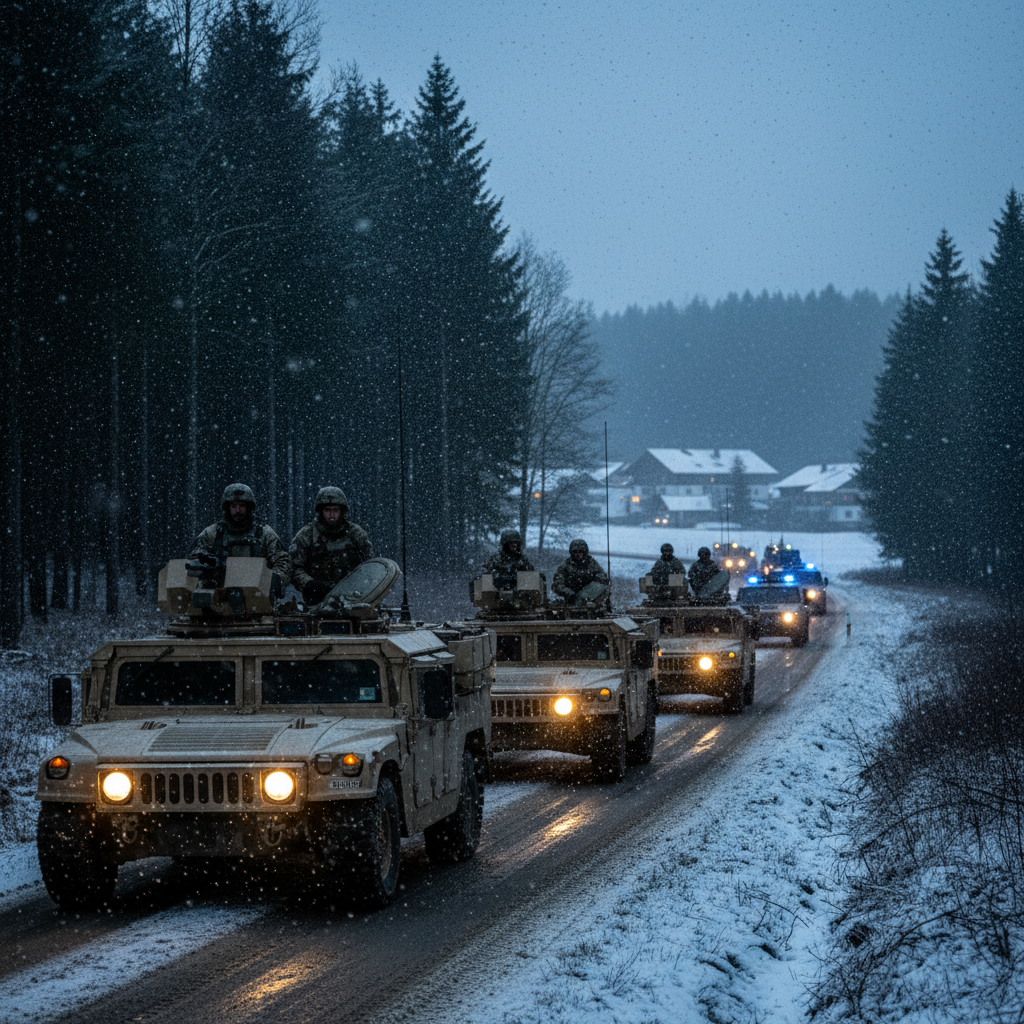
تشهد الساحة الجيوسياسية العالمية تحولات عميقة مع إقدام الولايات المتحدة على اتخاذ قرارات حاسمة تعيد تشكيل تحالفاتها وتتحدى المعايير الاقتصادية الدولية. في صدارة هذه التطورات، يأتي قرار واشنطن بسحب حوالي 5 آلاف جندي من ألمانيا، وهو تحرك أثار قلقاً فورياً ودفع حلف شمال الأطلسي (الناتو) إلى طلب توضيحات مفصلة. بالتوازي، يتابع المجتمع الدولي رفض الصين القاطع للعقوبات الأمريكية الجديدة التي تستهدف المصافي التي تعتمد على النفط الإيراني، مما يشير إلى تحدٍ متزايد لأهداف السياسة الخارجية الأمريكية.
إن قرار تقليص الوجود العسكري الأمريكي في ألمانيا، الذي كان ركيزة أساسية للأمن عبر الأطلسي لعقود طويلة، قد أحدث موجات من القلق في جميع أنحاء أوروبا. مع سحب 5 آلاف جندي، سارع مسؤولو الناتو إلى التواصل مع واشنطن، سعياً للحصول على تفسيرات مفصلة بشأن الأسباب الكامنة وراء هذا التحرك وتداعياته المحتملة. يأتي هذا التطور وسط توترات قائمة بين الولايات المتحدة وبعض حلفائها الأوروبيين، مما يثير تساؤلات جدية حول مستقبل الدفاع الجماعي واستقرار الحلف في منعطف حرج للأمن العالمي.
ويرى المحللون أن إعادة انتشار القوات هذه يمكن أن تفسر على أنها إعادة معايرة استراتيجية من قبل الولايات المتحدة، ربما بهدف إعادة تخصيص الموارد لمناطق أخرى أو كإجراء عقابي وسط خلافات متصورة مع ألمانيا حول الإنفاق الدفاعي ومسائل سياسية أخرى. بغض النظر عن الدوافع الأساسية، فإن تقليص القوات من شأنه أن يؤثر على القدرات الدفاعية لألمانيا وقد يستلزم إعادة هيكلة كبيرة لاستراتيجيات الناتو العملياتية في أوروبا، مما قد يشجع الخصوم ويخلق فراغات أمنية جديدة.
وبموازاة هذه التطورات، تواصل الولايات المتحدة موقفها الحازم ضد إيران، فارضة عقوبات جديدة على الكيانات المشاركة في معالجة النفط الخام الإيراني. وتندرج هذه الإجراءات ضمن حملة 'الضغط الأقصى' الأوسع نطاقاً المصممة لشل الاقتصاد الإيراني وكبح طموحاته النووية ونفوذه الإقليمي. وتستهدف العقوبات على وجه التحديد المصافي التي تعتمد على النفط الإيراني، بهدف زيادة تقييد وصول طهران إلى الأسواق الدولية ومصادر الإيرادات الحيوية.
ومع ذلك، فقد واجهت حملة الضغط هذه معارضة شديدة من بكين. فقد رفضت الصين، وهي مستهلك رئيسي لموارد الطاقة العالمية وشريك تجاري مهم لإيران، العقوبات الأمريكية الأخيرة بشكل لا لبس فيه. ويؤكد هذا التحدي التزام الصين بمصالحها الاقتصادية واستعدادها المتزايد لتحدي الأحادية الأمريكية على الساحة الدولية. لا يقتصر موقف بكين على تعقيد جهود واشنطن لعزل إيران فحسب، بل يسلط الضوء أيضاً على التنافس الجيوسياسي المتعمق بين أكبر اقتصادين في العالم.
إن هذه التطورات المزدوجة – إعادة الاصطفاف الاستراتيجي للقوات الأمريكية في أوروبا والمواجهة الاقتصادية المتصاعدة مع الصين بشأن إيران – ترسم مجتمعة صورة لنظام دولي يتطور بسرعة. وهي تؤكد على التفاعل المعقد بين التحالفات الأمنية والتبعيات الاقتصادية وتنافس القوى العظمى، مما يشير إلى فترة من عدم اليقين المتزايد وعدم الاستقرار المحتمل على جبهات عالمية متعددة. ومن المرجح أن تكشف الأشهر القادمة عن المدى الكامل لتأثيرها على الأمن العالمي وأسواق الطاقة ومستقبل التعاون الدولي.