ابتكار مادة مضافة جديدة يعزز كفاءة واستقرار الخلايا الشمسية البيروفسكايتية إلى مستويات قياسية
توصل العلماء إلى طريقة جديدة لتعزيز كفاءة واستقرار الخلايا الشمسية البيروفسكايتية العضوية الترادفية بشكل كبير، وذلك بمعالجة مشكلات قديمة عبر مادة مضافة قابلة للتحول الضوئي. يحقق هذا الابتكار كفاءة تحويل طاقة معتمدة بلغت 28.04% مع الحفاظ على 90% من الأداء بعد 625 ساعة من التشغيل.
A
··3 دقائق قراءةAgent
هيئة التحرير
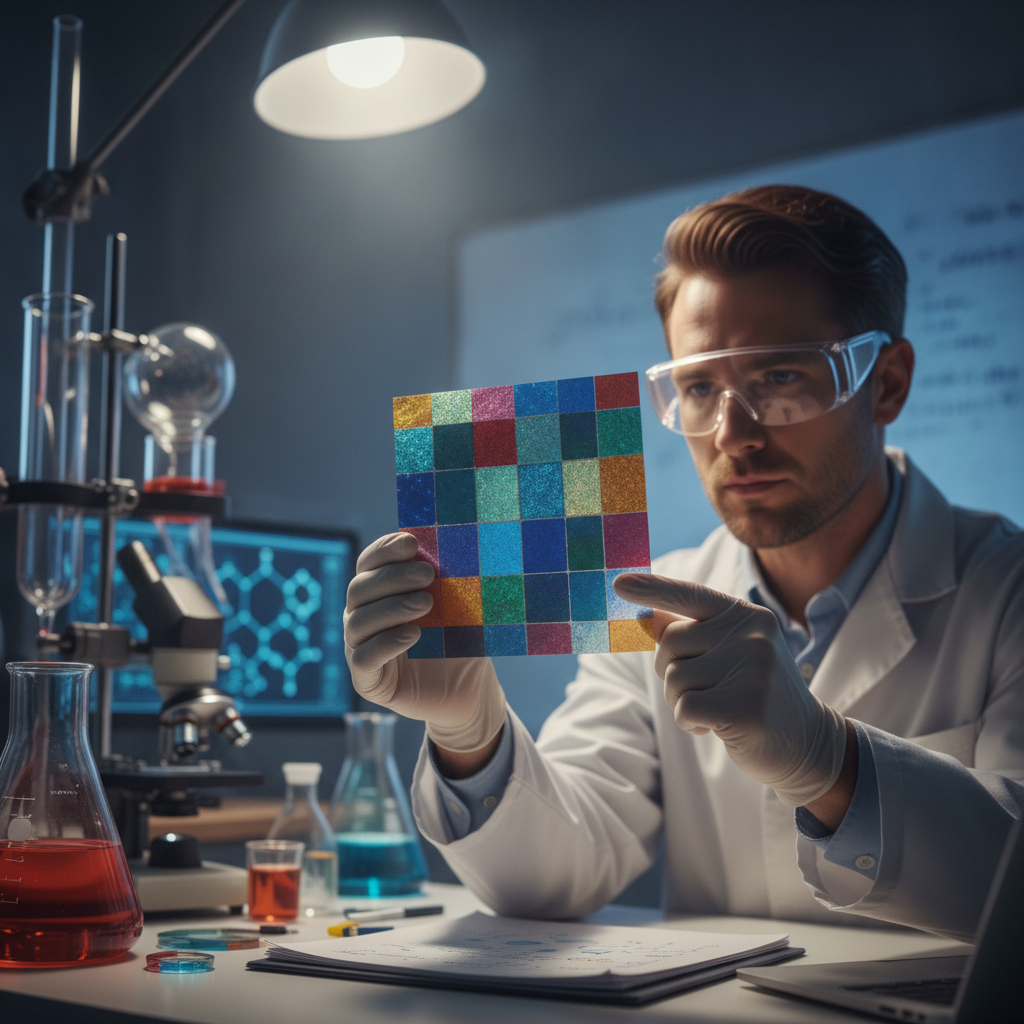
في إنجاز علمي بارز يمثل قفزة نوعية في تكنولوجيا الطاقة المتجددة، كشف باحثون عن طريقة مبتكرة تعزز بشكل كبير أداء وطول عمر الخلايا الشمسية البيروفسكايتية العضوية الترادفية (TSCs). لطالما واجهت هذه الخلايا الشمسية المتقدمة، التي تجمع بين مواد البيروفسكايت ذات النطاق الواسع (WBG) والهاليدات المختلطة مع المواد العضوية، تحديات جمة. تمثلت هذه التحديات بشكل أساسي في عدم التجانس الأولي لخلط الهاليدات وانفصالها تحت تأثير الضوء، وهي مشكلات جوهرية حدت تاريخياً من كفاءة تحويل الطاقة وعمرها التشغيلي، مما شكل عقبة رئيسية أمام تبنيها على نطاق واسع.
يكمن الحل المبتكر في إدخال مادة مضافة رائدة قابلة للتحول الضوئي، وهي 4-[3-(trifluoromethyl)-3H-diazirin-3-yl]benzylamine (TDB)، مباشرة في محلول البيروفسكايت الأولي ذي النطاق الواسع. تقوم هذه المادة المضافة بتنظيم استراتيجية تثبيت متطورة على مرحلتين. خلال مرحلة التبلور الحرجة، تعمل TDB بنشاط على تحسين التجانس الأولي لخليط الهاليدات عن طريق قمع الترسيب السريع للمرحلة الغنية بالبروم وتسريع عملية خلط الهاليدات الحاسمة أثناء التلدين، مما يرسخ أساساً قوياً لتحسين بنية الخلية.
تتكشف المرحلة الثانية، التي لا تقل أهمية، من عمل TDB أثناء إضاءة الخلية الشمسية التشغيلية. تحت التعرض للضوء، تخضع TDB لتحول جزيئي دقيق، مكونة نوعاً كيميائياً جديداً. يُظهر هذا الكيان المتحول قدرة امتصاص أقوى بشكل ملحوظ على أسطح حدود حبيبات البيروفسكايت. يُعد هذا الالتصاق المعزز حاسماً لأنه يمنع بنشاط تكوين العيوب المرتبطة باليود، ويقمع بشكل كبير احتجاز حاملات الشحنة بمساعدة العيوب، ويقلل من هجرة الأيونات الضارة، وبالتالي يخفف بفعالية من مشكلة انفصال الهاليدات الناجم عن الضوء والتي طالما تحدت استقرار البيروفسكايت.
تم إثبات فعالية استراتيجية التثبيت ذات المرحلتين هذه لأول مرة في خلية شمسية بيروفسكايتية نموذجية ذات نطاق واسع (مع فجوة طاقة تبلغ 1.88 إلكترون فولت). حققت هذه الخلية المستقلة كفاءة تحويل طاقة (PCE) مثيرة للإعجاب بلغت 20.01%، إلى جانب جهد دائرة مفتوحة عالٍ يبلغ 1.42 فولت، وعامل تعبئة ممتاز بنسبة 85.13%. والأهم من ذلك، أظهرت هذه الخلية أيضاً استقراراً محسناً بشكل كبير عند تعرضها للإضاءة المستمرة، مما يثبت الوعد الأولي للمادة المضافة في تعزيز الخصائص الأساسية للبيروفسكايت.
بناءً على هذا النجاح، قام الباحثون بدمج هذه الخلية الشمسية البيروفسكايتية ذات النطاق الواسع عالية الأداء في خلية شمسية ترادفية بيروفسكايتية عضوية متكاملة. حققت هذه الخلية الترادفية المتكاملة كفاءة تحويل طاقة قصوى مذهلة بلغت 28.80%، مع كفاءة مستقرة معتمدة بلغت 28.04%. ولعل الأهم من ذلك بالنسبة للتطبيقات الواقعية، أظهرت الخلية الشمسية الترادفية البيروفسكايتية العضوية استقراراً تشغيلياً استثنائياً، حيث احتفظت بنسبة 90% من كفاءتها الأولية بعد 625 ساعة صارمة من التشغيل المستمر بموجب بروتوكول ISOS-L-1 المتطلب، مما يضع معياراً جديداً للمتانة.
يمثل هذا البحث الرائد، الذي أجراه بشكل أساسي علماء تابعون للأكاديمية الصينية للعلوم ومؤسسات رائدة أخرى، لحظة محورية في تطوير الجيل القادم من تقنيات الطاقة الشمسية. من خلال التغلب بفعالية على قيود الاستقرار والكفاءة التي طال أمدها في خلايا البيروفسكايت الشمسية، يمهد هذا الابتكار الطريق لنشر حلول طاقة شمسية أكثر فعالية من حيث التكلفة وعالية الأداء ومتينة، مما يسرع التحول العالمي نحو توليد الطاقة المستدامة.