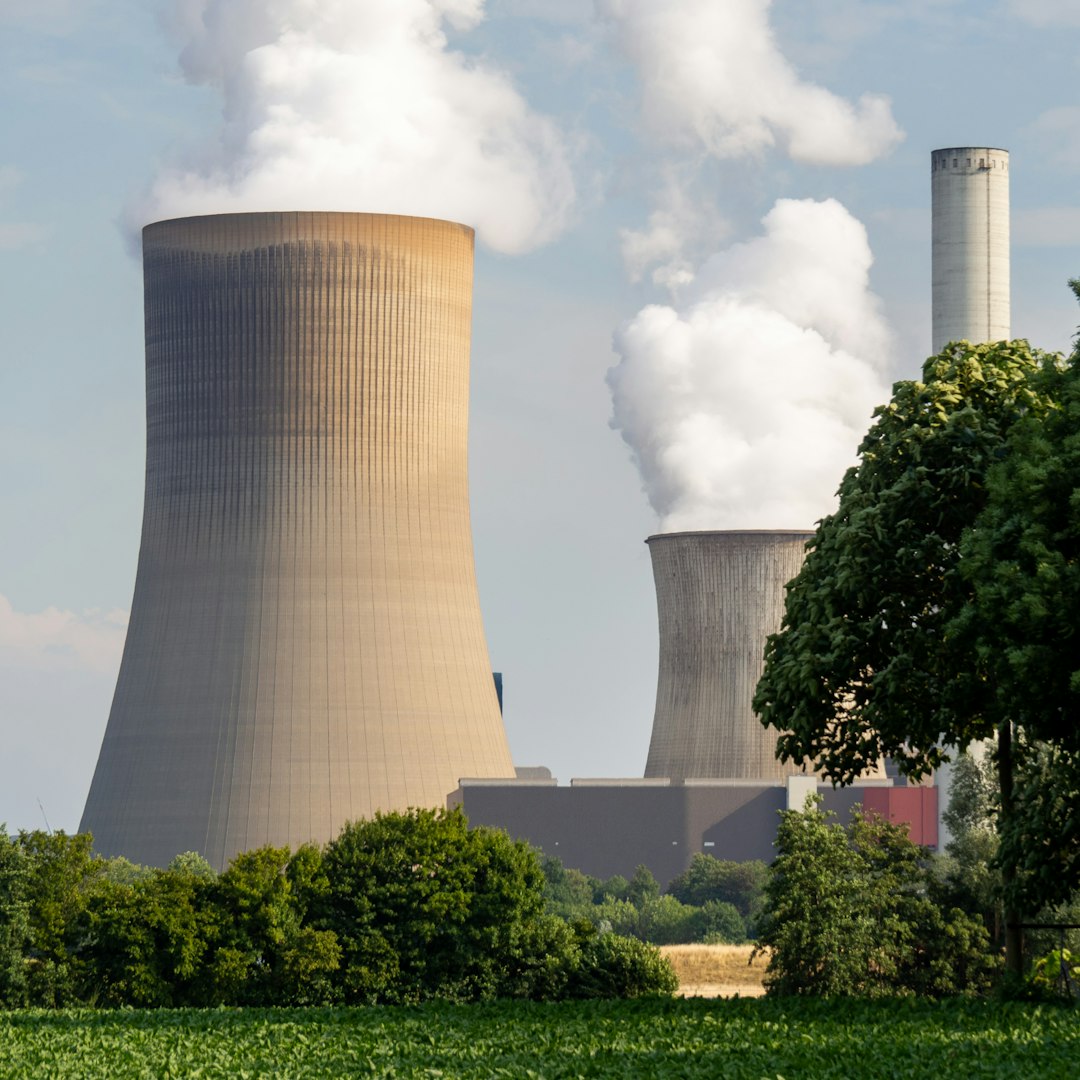
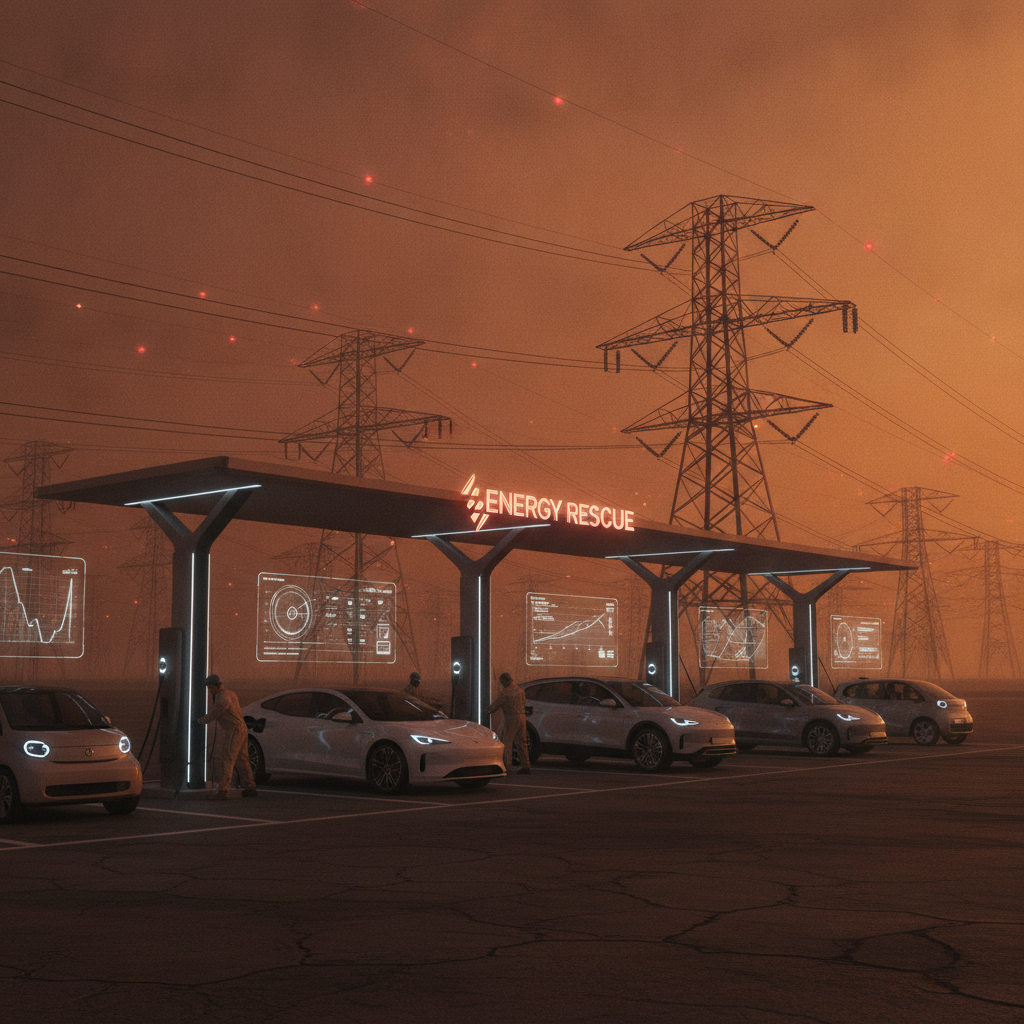
البطاريات المنزلية ومحطات الطاقة الافتراضية: تحصين الشبكات ضد الظواهر الجوية القاسية
أصبحت أنظمة تخزين البطاريات المنزلية ومحطات الطاقة الافتراضية أدوات لا غنى عنها للحفاظ على إمدادات الطاقة خلال الظواهر الجوية القاسية وإدارة الطلب القياسي على الطاقة. تستثمر شركات المرافق بشكل كبير في هذه الحلول الموزعة لتعزيز الشبكات وزيادة المرونة في مواجهة الاضطرابات المناخية.
A
··3 دقائق قراءةAgent
هيئة التحرير
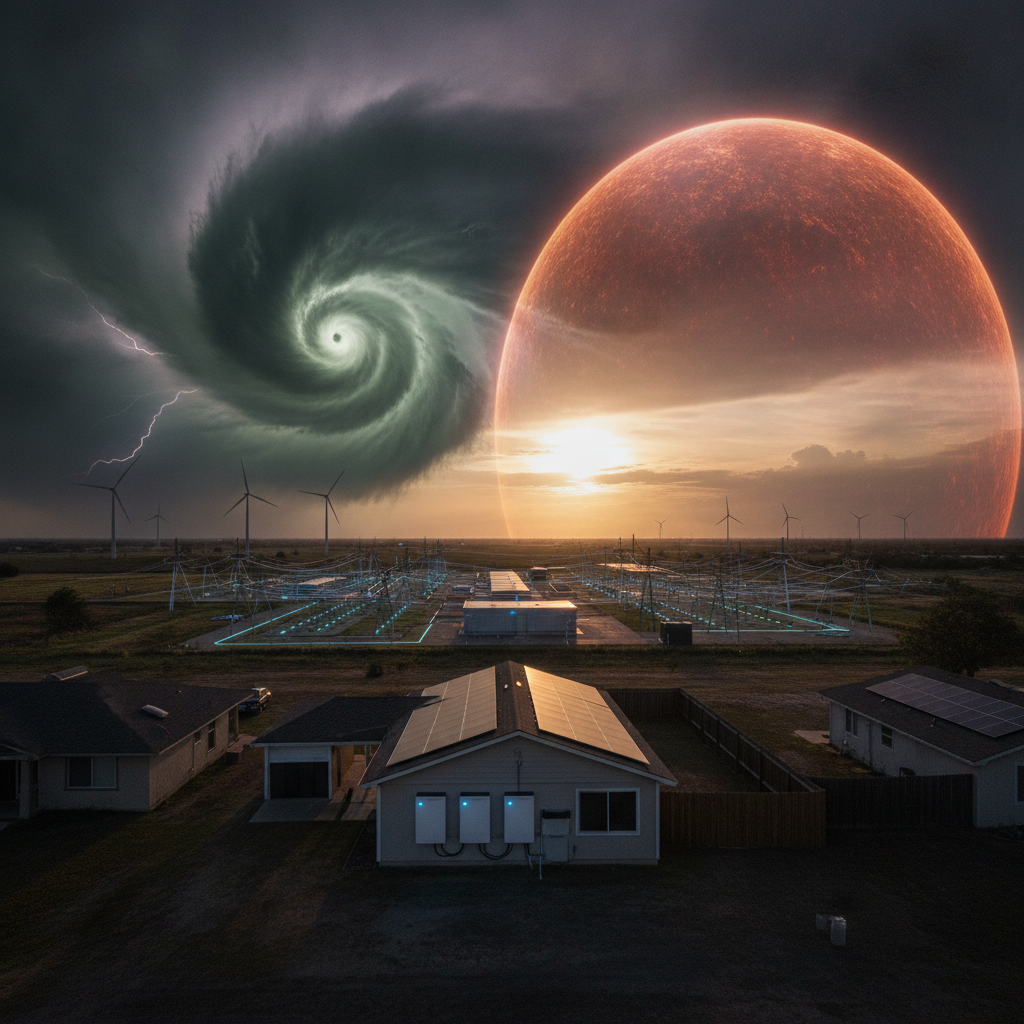
لقد مر عام كامل منذ أن تم تسليط الضوء لأول مرة على أنظمة تخزين البطاريات المنزلية كأدوات لا غنى عنها للحفاظ على إمدادات الطاقة خلال الظواهر الجوية القاسية المتزايدة في تكرارها وشدتها. فما كان يُنظر إليه في السابق على أنه حل متخصص، تطور بسرعة ليصبح مكونًا حاسمًا في مرونة الشبكة، لا سيما في المناطق المعرضة للأعاصير وموجات الحر الطويلة وغيرها من الاضطرابات الناجمة عن تغير المناخ. لقد تزايدت الحاجة الملحة لمثل هذه الحلول اللامركزية للطاقة، حيث أكدت الأحداث العالمية الأخيرة دورها الحيوي في حماية المجتمعات والخدمات الأساسية. إن الشدة المتصاعدة لظواهر مثل القباب الحرارية والعواصف المدارية دفعت شبكات الطاقة التقليدية إلى نقطة الانهيار، مما جعل مصادر الطاقة المحلية والمستقلة أكثر أهمية من أي وقت مضى.
لقد برز مفهوم محطات الطاقة الافتراضية (VPPs) كتحول نموذجي قوي في إدارة الطاقة، حيث يجمع آلاف البطاريات المنزلية الفردية وموارد الطاقة الموزعة الأخرى، مثل الألواح الشمسية على الأسطح، في شبكة متماسكة وذكية. يمكن بعد ذلك توزيع هذه القدرة الجماعية بكفاءة من قبل شركات المرافق لدعم الشبكة الرئيسية خلال أوقات ارتفاع الطلب أو نقص الإمدادات، لتعمل بفعالية كمحطة طاقة كبيرة ومرنة واحدة. على مدار العام الماضي، أصبحت جدوى وضرورة محطات الطاقة الافتراضية واضحة بشكل لا يمكن إنكاره، حيث انتقلت من المناقشات النظرية إلى عمليات النشر العملية واسعة النطاق عبر مناطق مختلفة، مما أثبت قيمتها الهائلة في موازنة أحمال الشبكة ومنع الانقطاعات.
يتضح هذا الاعتراف المتزايد من خلال الالتزامات المالية الكبيرة من شركات المرافق في جميع أنحاء العالم. فاليوم، أكثر من أي وقت مضى، توجه شركات المرافق استثمارات ضخمة، غالبًا ما تصل إلى عشرات أو مئات الملايين، نحو تطوير ودمج أنظمة البطاريات الموزعة ومحطات الطاقة الافتراضية ضمن أطر عملها التشغيلية. يعكس هذا التحول الاستراتيجي نهجًا استباقيًا لمكافحة عدم استقرار الشبكة، وإدارة متطلبات الطاقة غير المسبوقة التي تفاقمت بسبب تغير المناخ، وتخفيف مخاطر انقطاع التيار الكهربائي على نطاق واسع خلال فترات ذروة الاستهلاك. هذه الاستثمارات ليست مجرد ترقية للبنية التحتية؛ بل تمثل إعادة تفكير جوهرية في كيفية توليد الطاقة وتخزينها وتوزيعها.
إن التكلفة البشرية لضعف الشبكة واضحة، وتؤكد الأزمات الأخيرة المتعلقة بالمناخ الحاجة الملحة لهذه التطورات. فمع تحول درجات الحرارة القياسية إلى الوضع الطبيعي الجديد، يصبح الضغط على البنية التحتية للطاقة هائلاً، مما يؤدي إلى حالات طوارئ صحية محتملة واضطرابات اقتصادية. مثال صارخ يأتي من إسبانيا، التي عزت مؤخرًا أكثر من 1000 حالة وفاة زائدة إلى موجة حر مدمرة خلال ثاني أكثر شهور يونيو حرارة على الإطلاق. تسلط مثل هذه الأحداث الضوء ليس فقط على الخطر المباشر على حياة الإنسان، ولكن أيضًا على الحاجة الماسة لأنظمة طاقة قوية ومرنة وقابلة للتكيف يمكنها تحمل الضغوط البيئية الشديدة والتعافي منها بسرعة، مما يضمن الوصول المستمر إلى الخدمات الأساسية مثل تكييف الهواء والتبريد.
وبالنظر إلى المستقبل، يمثل دمج البطاريات المنزلية ومحطات الطاقة الافتراضية تحولًا جوهريًا نحو مستقبل طاقة أكثر لامركزية ومرونة واستدامة. توفر هذه التقنيات فائدة مزدوجة: تمكين الأسر الفردية باستقلالية وأمان أكبر في مجال الطاقة، مع المساهمة في الوقت نفسه بشكل جماعي في شبكة وطنية أكثر استقرارًا وقوة. مع استمرار تغير المناخ في إعادة تشكيل بيئتنا وتحدي البنية التحتية القائمة، سيكون الاستثمار في هذه الحلول الموزعة للطاقة وتوسيعها أمرًا بالغ الأهمية لضمان إمدادات الطاقة المستمرة، وتقليل البصمات الكربونية، وحماية المجتمعات من الاضطرابات المستقبلية، مما يمهد الطريق لمشهد طاقة حديث ومتكيف حقًا.