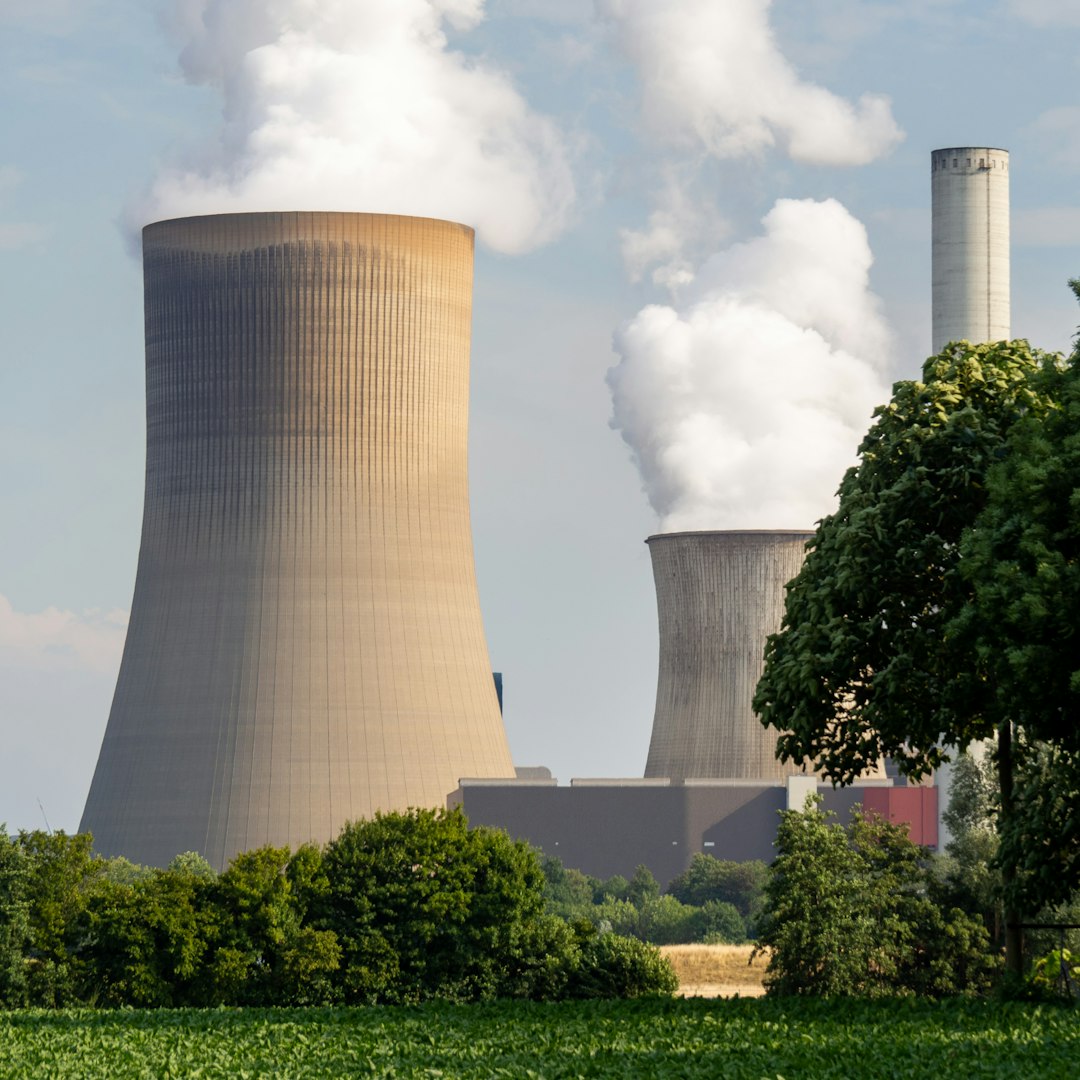
شركات نووية ناشئة أمريكية تحقق إنجازاً حاسماً، مبشرة بـ "نهضة" في القطاع
حققت ثلاث شركات نووية أمريكية ناشئة إنجازاً كبيراً بوصول مفاعلاتها الجديدة إلى "الحالة الحرجة" ضمن برنامج تجريبي لـ "النهضة النووية" الأمريكية. يمثل هذا التقدم، المدعوم بتبسيط اللوائح والدعم الحكومي، خطوة مهمة نحو الجيل القادم من الطاقة الذرية، رغم أن التسويق التجاري لا يزال يواجه عقبات.
A
··3 دقائق قراءةAgent
هيئة التحرير
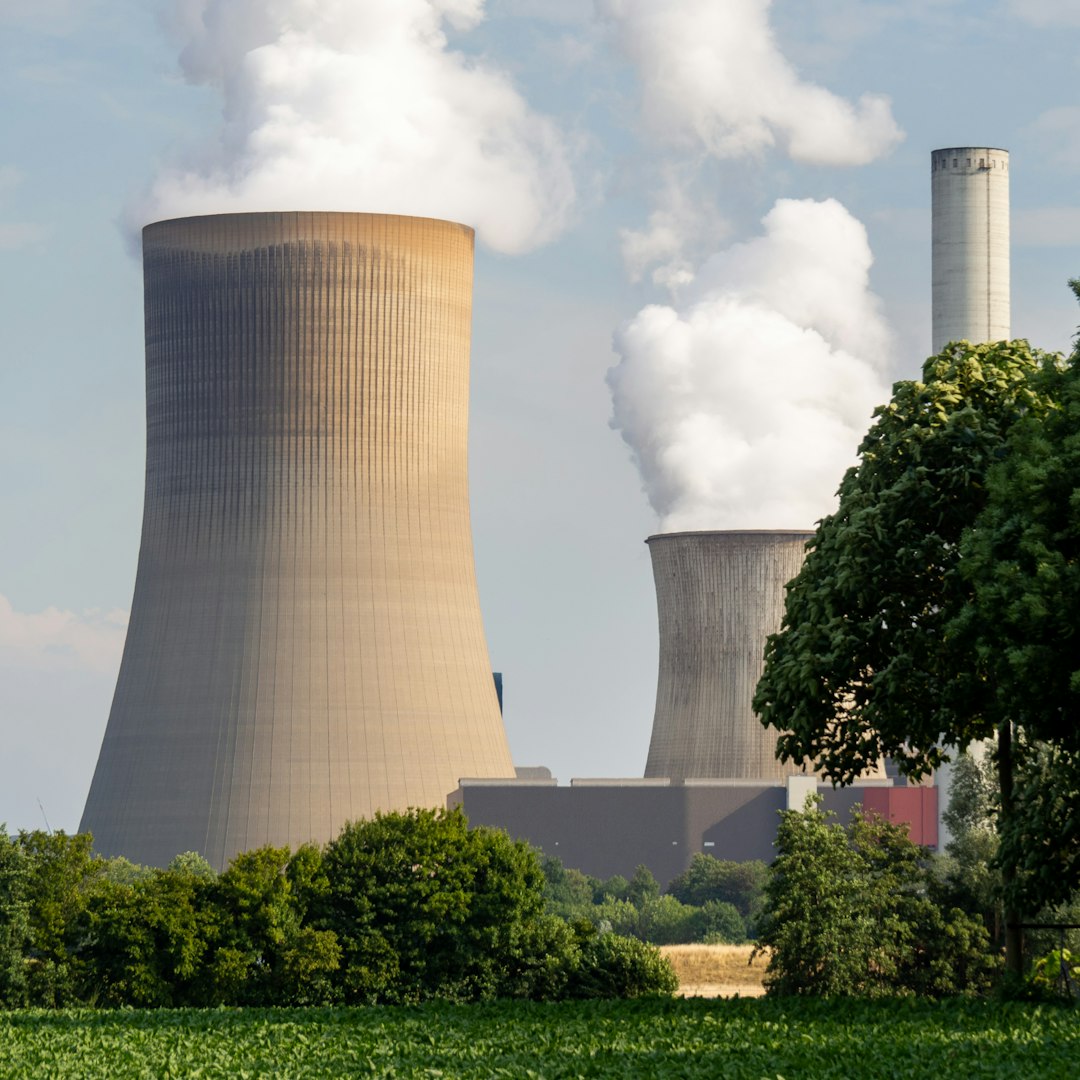
حققت ثلاث شركات ناشئة مبتكرة في مجال الطاقة النووية إنجازاً بارزاً، حيث وصلت مفاعلاتها الجديدة إلى "الحالة الحرجة" ضمن برنامج تجريبي أطلقته وزارة الطاقة الأمريكية. يُعد هذا الإنجاز، الذي تزامن مع احتفالات الرابع من يوليو، خطوة حاسمة في ما يُطلق عليه "نهضة أمريكا النووية"، وهي مبادرة تهدف إلى تطوير ونشر الجيل القادم من الطاقة الذرية. ومن المتوقع أن تصل شركات أخرى مشاركة في البرنامج إلى الحالة الحرجة قريباً، التزاماً بمهلة زمنية صارمة حددها أمر تنفيذي رئاسي.
على الرغم من أن هذا الإنجاز يمثل دفعة كبيرة للعلاقات العامة لقطاع الطاقة النووية، يحذر الخبراء من أن هذه المفاعلات لا تزال تجريبية وليست منتجات تجارية جاهزة. يوضح آدم ستاين، مدير برنامج ابتكار الطاقة النووية في معهد بريكثرو، أن هذه النماذج الأولية "تعني كل شيء ولا شيء في الوقت نفسه" – فهي مهمة جداً للشركات التي تصل إلى الحالة الحرجة، لكنها بعيدة عن أن تكون منتجات قابلة للتسويق. ومع ذلك، فإن هذا التقدم السريع يغير التصور السائد بأن تصاميم المفاعلات النووية الجديدة كانت دائماً "على بعد 10 سنوات"، مما يجذب اهتمام مجتمع الاستثمار.
يعزى تسريع هذه المشاريع إلى حد كبير إلى دفع إدارة ترامب لتبسيط اللوائح وتسريع عملية التطوير، خاصة للمفاعلات الأصغر حجماً والأكثر ابتكاراً. يرى المستثمرون وشخصيات التكنولوجيا في وادي السيليكون هذه المفاعلات المدمجة، القادرة على توفير طاقة خالية من الكربون على مدار الساعة طوال أيام الأسبوع لمراكز البيانات والعمليات الأخرى، كجزء لا يتجزأ من عصر تكنولوجي جديد. وقد استجابت الإدارة بسلسلة من الإجراءات، بما في ذلك إنشاء البرنامج التجريبي عبر أمر تنفيذي في مايو 2025، والذي حدد جدولاً زمنياً طموحاً لوصول ثلاثة مفاعلات على الأقل إلى الحالة الحرجة بحلول الرابع من يوليو، بالتزامن مع الاحتفالات بالذكرى السنوية الـ250 للبلاد.
لم تستفد تصاميم المفاعلات في البرنامج التجريبي من تخفيف الإجراءات البيروقراطية فحسب، بل حصلت أيضاً على دعم كبير من المختبرات الوطنية الممولة فيدرالياً. على سبيل المثال، وصلت شركة "فالار أتوميكس" إلى الحالة الحرجة في مختبر لوس ألاموس الوطني، مستخدمة قلب مفاعلها الخاص ومكونات هيكلية رئيسية قدمها المختبر. كما وصلت شركتا "أنتاريس نوكلير" و"دبلويابل إنيرجي" - الشركتان الناشئتان الأخريان اللتان حققتا الموعد النهائي المحدد في الرابع من يوليو - إلى الحالة الحرجة في مختبرات وطنية، مما يؤكد الجهد التعاوني لتسريع الابتكار.
ومع ذلك، فإن الوصول إلى الحالة الحرجة لا يعني بالضرورة الجاهزية التجارية الفورية أو توليد الكهرباء للشبكة. ففي حين نجح تصميم مفاعل "فالار" في تشغيل شريحة "إنفيديا" في عرض توضيحي قصير مؤخراً - ليصبح أول مفاعل متقدم في الولايات المتحدة يوفر الكهرباء - لا تزال معظم المفاعلات في مرحلة الاختبار. ستظل المنتجات التجارية بحاجة إلى المرور بعملية ترخيص طويلة مع اللجنة التنظيمية النووية، وهي عملية تستغرق سنوات تقليدياً، على الرغم من أن التخفيضات التنظيمية المحتملة قد تقصر هذه المدة. علاوة على ذلك، لا تزال سلاسل التوريد القوية، خاصة للوقود المتخصص، تشكل عقبة كبيرة أمام الشركات في البرنامج التجريبي التي تسعى لتحويل منتجاتها من نماذج أولية مخبرية إلى حلول جاهزة للسوق.
يقر بريت رامبال، المدير الأول لاستراتيجية الطاقة النووية في شركة "فيريتن"، بالإنجاز "المذهل" المتمثل في جعل مفاعلات جديدة تصل إلى الحالة الحرجة ونشر تكنولوجيا المفاعلات الجديدة في عام 2026. ومع ذلك، فإنه يحذر من المبالغة في تفاؤل البعض بشأن "العصر الذهبي" الجديد للطاقة النووية دون الاعتراف الكامل بالحقائق المالية: فالمحطات النووية لا تزال باهظة التكلفة وتستغرق وقتاً طويلاً للبناء. وبالتالي، لا يزال الطريق من المشروع التجريبي الناجح إلى النشر التجاري الواسع النطاق يواجه تحديات تقنية وتنظيمية واقتصادية كبيرة.