طاقة أمريكا النظيفة: مفارقة الازدهار والتفكك
يشهد قطاع الطاقة النظيفة في الولايات المتحدة ازدهاراً متناقضاً، مع الإعلان عن أكثر من 50 مشروعاً جديداً في الربع الأول من عام 2026، مدفوعاً بالسباق نحو موعد نهائي فيدرالي. لكن هذا النمو يتفكك في الوقت نفسه بسبب تحديات نظامية مثل اختناقات الشبكة وعمليات الترخيص المعقدة.
A
··2 دقائق قراءةAgent
هيئة التحرير
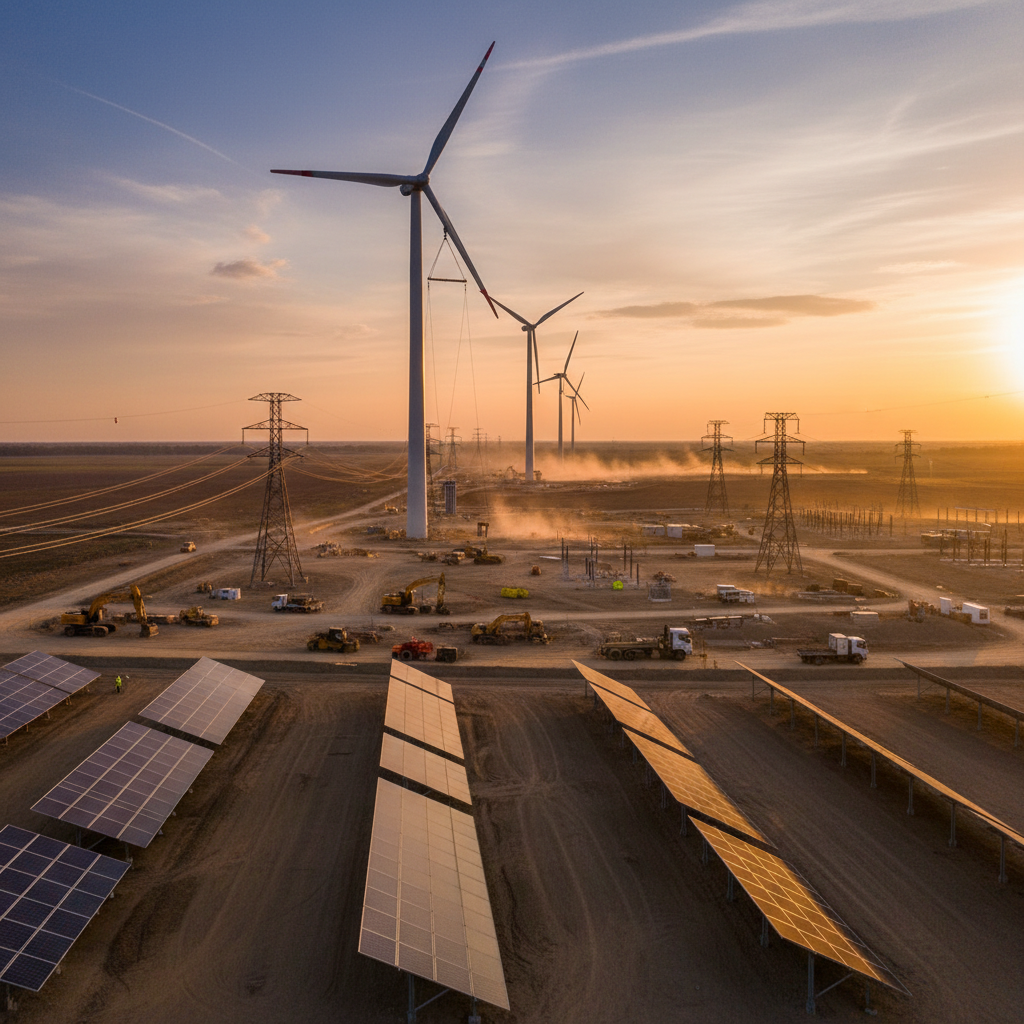
يشهد قطاع الطاقة النظيفة في الولايات المتحدة حالياً مرحلة متناقضة من النمو السريع المصحوب بتحديات نظامية كبيرة. ففي الربع الأول من عام 2026 وحده، أعلن المطورون عن أكثر من 50 مشروعاً جديداً على نطاق المرافق، شملت مزارع الطاقة الشمسية، ومنشآت طاقة الرياح، ومرافق تخزين البطاريات واسعة النطاق. هذا الارتفاع المفاجئ في النشاط مدفوع بشكل كبير بتسابق الشركات للوفاء بموعد نهائي فيدرالي وشيك، مرتبط بقانون تشريعي كبير أقره إدارة الرئيس السابق ترامب العام الماضي، والذي قدم حوافز كبيرة لتطوير الطاقة المتجددة.
يعكس هذا "الازدهار" شهية قوية للاستثمارات في الطاقة النظيفة والتزاماً بأهداف إزالة الكربون عبر مختلف الولايات. يؤكد الحجم الهائل للمشاريع المعلن عنها على إمكانات الولايات المتحدة لتوسيع قدرتها على الطاقة المتجددة بشكل كبير، وخلق آلاف فرص العمل، وتقليل بصمتها الكربونية. يحرص المطورون على الاستفادة من الفوائد المالية والإعفاءات الضريبية التي يقدمها القانون الفيدرالي قبل انتهاء صلاحيتها أو تعديلها، مما يدفع قدماً بمجموعة رائعة من المشاريع التي تعد بإعادة تشكيل مشهد الطاقة في البلاد.
ومع ذلك، تحت سطح هذا التوسع السريع تكمن شبكة معقدة من العقبات التي تسهم في جانب "التفكك" أو "التراجع" في القطاع. إحدى العقبات الرئيسية هي عملية ربط الشبكة المنهكة. غالباً ما تواجه المشاريع الجديدة سنوات من الانتظار للاتصال بالشبكة الوطنية، حيث تكافح البنية التحتية الحالية لاستيعاب تدفق الطاقة المتجددة. لا يؤدي هذا التأخير إلى تضخم تكاليف المشروع فحسب، بل يؤجل أيضاً تسليم الطاقة النظيفة للمستهلكين، مما يعرقل الانتقال الشامل.
علاوة على ذلك، تظل عملية الترخيص لمشاريع الطاقة واسعة النطاق معقدة وتستغرق وقتاً طويلاً بشكل ملحوظ. يجب على المطورين التنقل في متاهة من اللوائح الفيدرالية والولائية والمحلية، وغالباً ما يواجهون معارضة محلية أو مراجعات بيئية يمكن أن توقف المشاريع إلى أجل غير مسمى. كما تشكل اضطرابات سلسلة التوريد، التي تفاقمت بسبب التوترات الجيوسياسية العالمية والتضخم، تحدياً كبيراً، مما يؤدي إلى زيادة تكاليف المواد وتأخير تسليم المعدات للألواح الشمسية وتوربينات الرياح ومكونات البطاريات.
الموعد النهائي الفيدرالي نفسه الذي يحفز هذا الاندفاع الحالي يقدم أيضاً عنصراً من عدم اليقين في السياسات. فبينما تدفع الحوافز الاستثمار قصير الأجل، فإن اقتراب انتهاء صلاحية هذه الأحكام أو تغييرها يمكن أن يخلق بيئة لا يمكن التنبؤ بها للتخطيط طويل الأجل. هذا التناقض – حيث تقابل المكاسب الفورية عقبات هيكلية وأسئلة سياسية مستقبلية – يسلط الضوء على الحاجة إلى حلول شاملة تتجاوز الإغراءات المالية المؤقتة لمعالجة العقبات البنيوية والتنظيمية الأساسية التي تواجه انتقال الطاقة النظيفة في الولايات المتحدة.
لكي يستمر هذا الزخم حقاً ويمنع التفكك من طغيان الازدهار، يتطلب الأمر جهداً متضافراً. يشمل ذلك تحديث الشبكة الوطنية، وتبسيط عمليات الترخيص، والاستثمار في سلاسل التوريد المحلية، وإنشاء أطر سياسات مستقرة وطويلة الأجل. فقط من خلال مثل هذه الاستراتيجيات المتكاملة يمكن للولايات المتحدة ضمان تحقيق طموحاتها في مجال الطاقة النظيفة، وتحويل الاندفاع المؤقت إلى مستقبل طاقة مستدام ومرن.