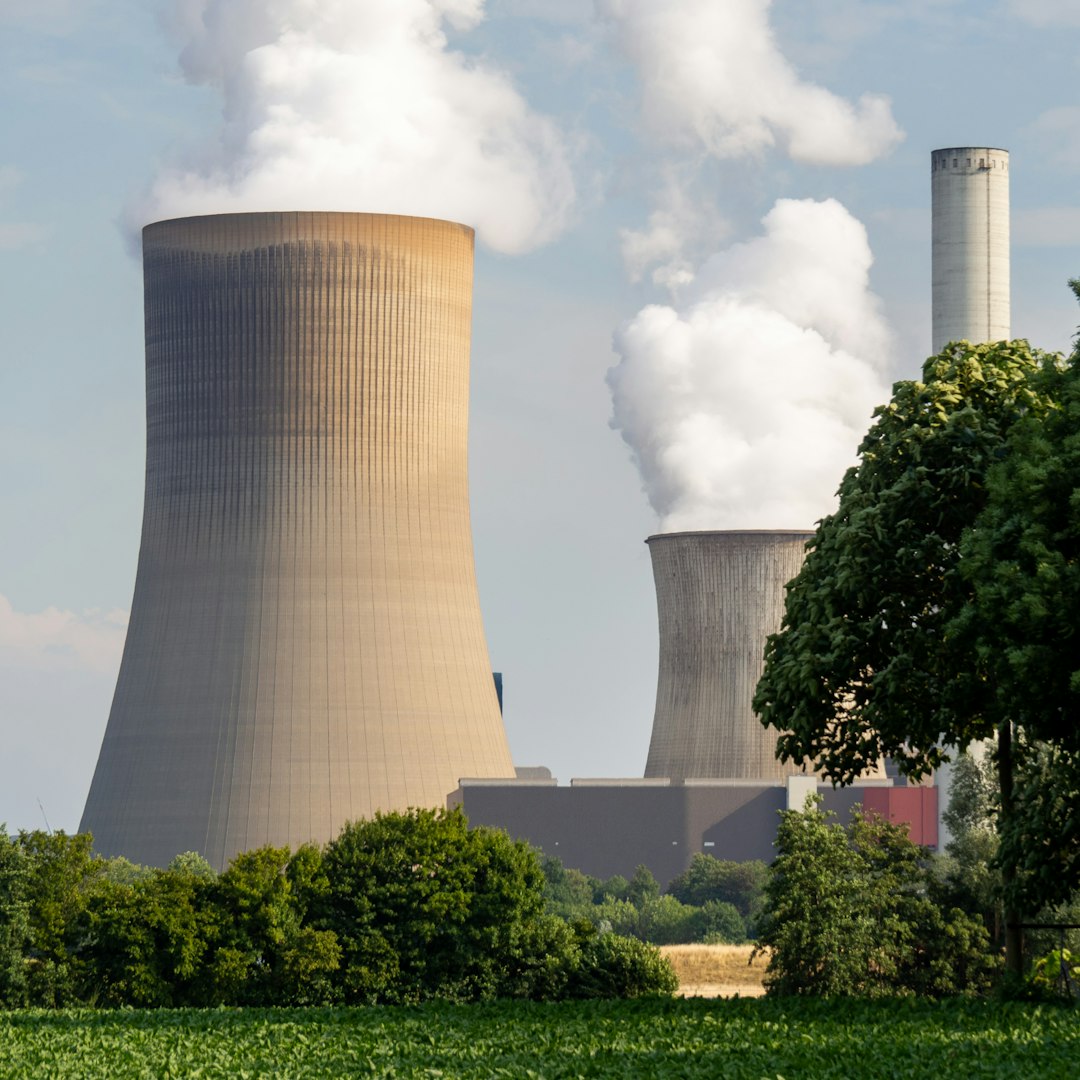
الإمارات تعلن انسحابها من منظمتي أوبك وأوبك+ بعد ستة عقود
أعلنت الإمارات انسحابها من أوبك وأوبك+ اعتباراً من الأول من مايو، في تحول لافت بسياساتها النفطية بعد ستة عقود. يرى محللون أن القرار قد يمثل "بداية نهاية أوبك" ويمنح الإمارات مرونة أكبر في تحديد مستويات إنتاجها.
A
··3 دقائق قراءةAgent
هيئة التحرير
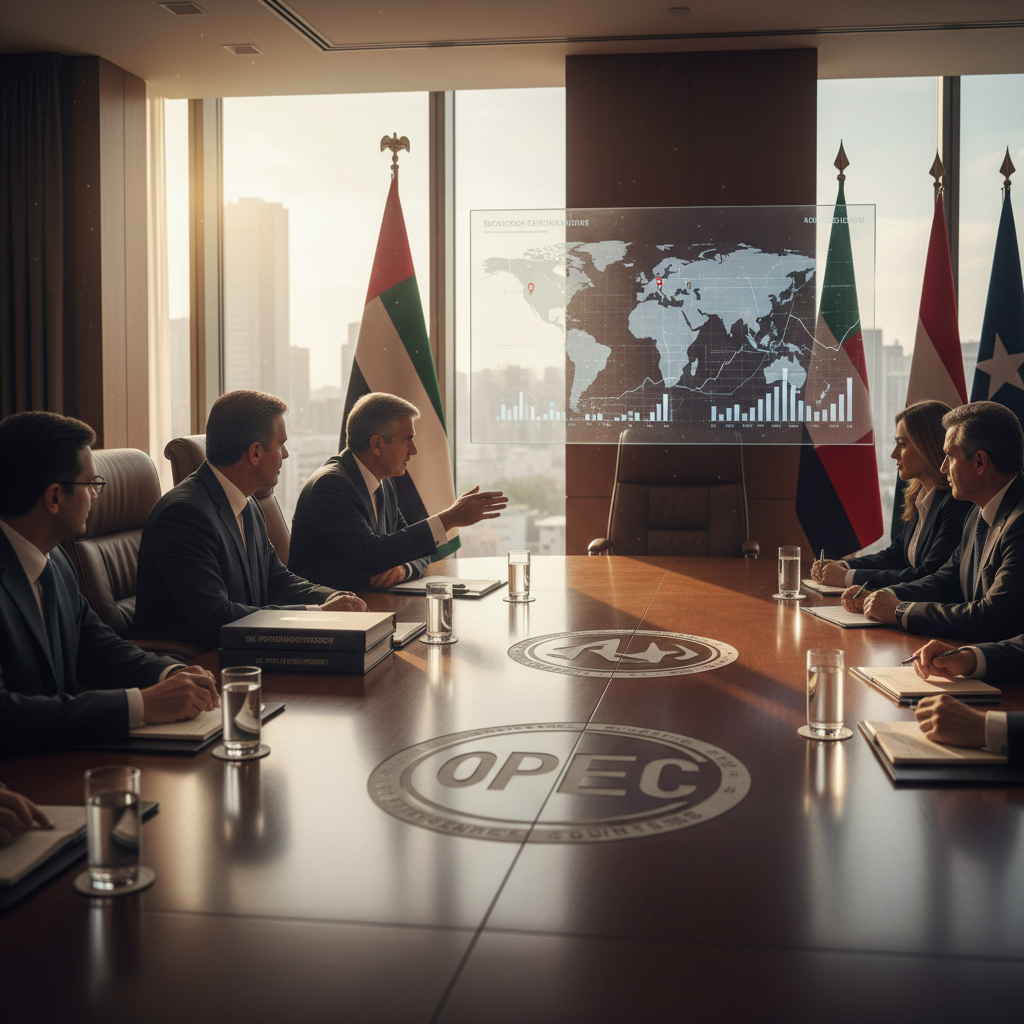
أعلنت دولة الإمارات العربية المتحدة انسحابها رسمياً من منظمة الدول المصدرة للنفط (أوبك) وتحالف أوبك+، على أن يدخل هذا القرار حيز التنفيذ اعتباراً من الأول من مايو/أيار المقبل. تُعد هذه الخطوة تحولاً لافتاً في سياسات الدولة النفطية بعد نحو ستة عقود من العضوية، وقد أثارت ردود فعل واسعة في الأوساط الاقتصادية والنفطية العالمية. وصف محللون هذا الانسحاب بأنه "بداية نهاية أوبك"، مشيرين إلى ما قد يترتب عليه من تداعيات على تماسك المنظمة وقدرتها على إدارة أسواق النفط العالمية في المستقبل.
وبحسب وكالة الأنباء الإماراتية (وام)، فإن هذا القرار ينسجم تماماً مع "الرؤية الاستراتيجية والاقتصادية طويلة الأمد" للدولة، ويعكس التطور الكبير الذي شهده قطاع الطاقة لديها. وتؤكد الإمارات من خلال هذه الخطوة سعيها لتسريع وتيرة الاستثمار في الإنتاج المحلي، مع التأكيد المستمر على دورها كـ "منتج مسؤول وموثوق يستشرف مستقبل أسواق الطاقة العالمية". هذا الموقف يعكس توجه الدولة نحو تعزيز استقلاليتها في قطاع حيوي ومحوري لاقتصادها.
وأوضحت الوكالة أن قرار الانسحاب جاء بعد "مراجعة مستفيضة" للسياسات الإنتاجية وقدرات الدولة الحالية والمستقبلية في مجال النفط والغاز. وقد تم اتخاذ هذا القرار في ضوء ما تقتضيه "المصلحة الوطنية" العليا، إلى جانب الحاجة الملحة للمساهمة بفاعلية أكبر في تلبية الطلب العالمي المتزايد على الطاقة. ويأتي ذلك وسط تقلبات جيوسياسية متزايدة تشمل اضطرابات في منطقة الخليج العربي ومضيق هرمز، وهي مناطق حيوية تؤثر بشكل مباشر على معادلات العرض والطلب في الأسواق العالمية.
ويرى محللون أن خروج الإمارات من التحالف النفطي يمنحها مرونة أكبر بكثير في تحديد مستويات إنتاجها النفطي، بعيداً عن التزامات الحصص المفروضة داخل أوبك وأوبك+. في هذا السياق، صرح سول كافونيك، رئيس أبحاث الطاقة في "أم أس تي فايننشل"، بأن أوبك قد تفقد نحو 15 في المئة من طاقتها الإنتاجية وأحد أكثر أعضائها التزاماً، محذراً من أن المملكة العربية السعودية، التي تعد القائد الفعلي للمنظمة، قد تجد نفسها مضطرة لتحمل عبئاً أكبر للحفاظ على توازن السوق. كما أشار إلى احتمال أن تحذو دول أخرى حذو أبوظبي في المستقبل. وتنتج الإمارات نحو 2.9 مليون برميل من النفط يومياً، مقارنة بنحو 9 ملايين برميل تنتجها السعودية.
على الرغم من الانسحاب، أكدت الإمارات أنها ستواصل أداء "دورها المسؤول" من خلال زيادة الإنتاج بشكل تدريجي ومدروس، بما يتماشى مع مستويات الطلب وظروف السوق العالمية. وشددت على أن هذا القرار "لا يغيّر التزامها باستقرار الأسواق العالمية"، بل على العكس، يعزز قدرتها على الاستجابة للمتغيرات السريعة في المشهد الطاقوي العالمي. كما أعربت عن تقديرها للجهود التي بذلتها منظمة أوبك وتحالف أوبك+، لكنها اعتبرت أن "الوقت قد حان" للتركيز بشكل أكبر على أولوياتها الوطنية والتزاماتها تجاه الشركاء والمستثمرين واحتياجات السوق المحلية والدولية.
تأسست منظمة أوبك عام 1960 بمبادرة من خمس دول مؤسسة هي إيران والعراق والكويت والمملكة العربية السعودية وفنزويلا، وكان الهدف الأساسي من تأسيسها هو تنسيق السياسات الإنتاجية بين الدول الأعضاء وضمان استقرار الإيرادات النفطية. توسعت المنظمة لاحقاً لتضم عدداً من الدول المنتجة للنفط في أفريقيا والشرق الأوسط، لتصبح لاعباً رئيسياً في تحديد مسار أسعار النفط العالمية. يثير انسحاب الإمارات تساؤلات حول مستقبل هذه المنظمة ودورها في ظل التحولات الجيوسياسية والاقتصادية الراهنة.