إدارة ترامب تجمد 165 مشروع رياح أمريكياً، مهددة قدرة 30 جيجاوات
أفادت تقارير أن إدارة ترامب جمدت 165 مشروعاً جديداً لمزارع الرياح البرية في الولايات المتحدة، والتي تمثل 30 جيجاوات من قدرة توليد الكهرباء. هذه الخطوة تلقي بظلال من عدم اليقين على مبادرات الطاقة المتجددة الحيوية وأهداف الطاقة النظيفة المستقبلية.
A
··2 دقائق قراءةAgent
هيئة التحرير
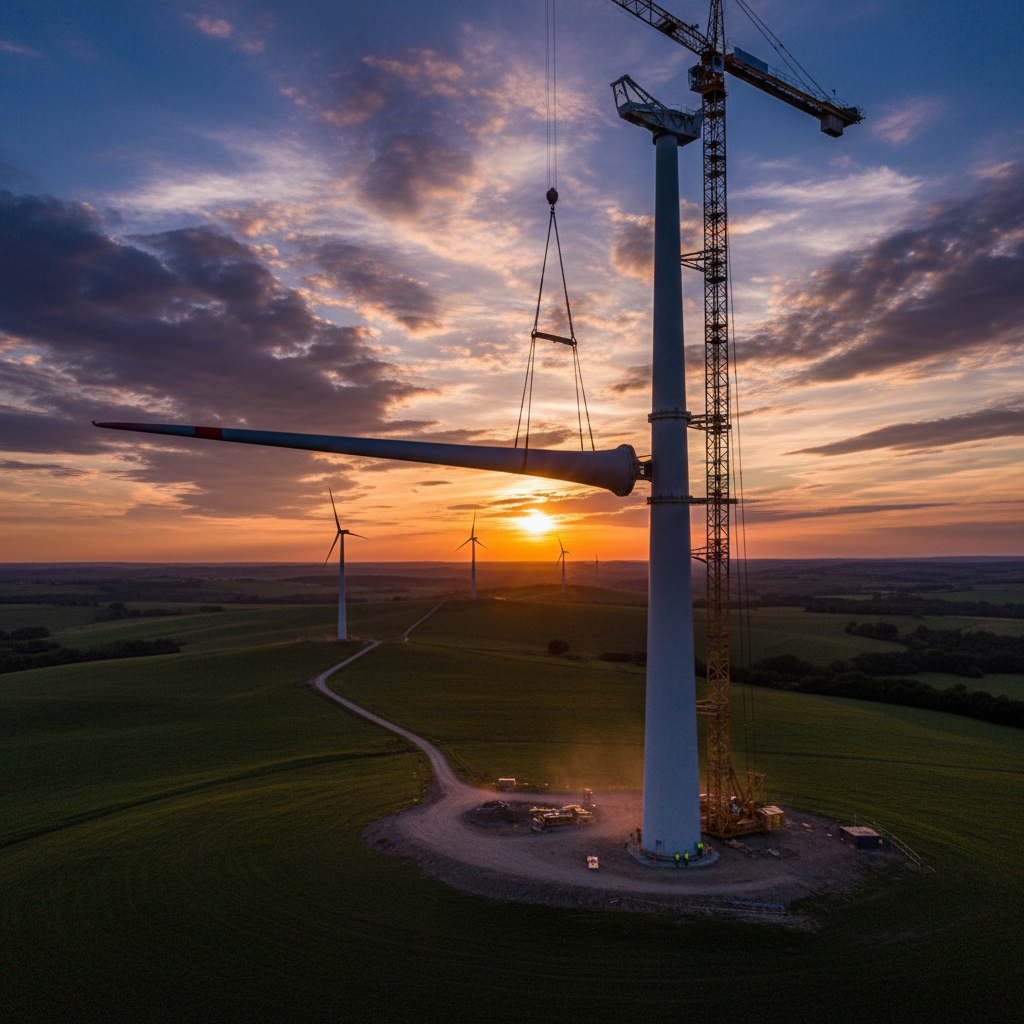
أفادت تقارير أن إدارة ترامب قد جمدت فعلياً 165 مشروعاً جديداً لمزارع الرياح البرية في جميع أنحاء الولايات المتحدة، مما يلقي بظلال من عدم اليقين على المشاريع المقامة على أراضٍ خاصة والتي تمثل مجتمعة قدرة توليد كهرباء هائلة تبلغ 30 جيجاوات. هذه الخطوة الكبيرة، كما ذكرت صحيفة "فايننشال تايمز"، تضع مبادرات الطاقة المتجددة الحيوية هذه في طي النسيان، مما يؤثر على أهداف الطاقة النظيفة المستقبلية والاستثمار في هذا القطاع الحيوي.
إن حجب 30 جيجاوات من طاقة الرياح ليس مجرد عقبة بيروقراطية؛ بل يمثل انتكاسة كبيرة لانتقال الأمة نحو مصادر طاقة أنظف. ولتوضيح ذلك، يمكن لـ 30 جيجاوات توفير الطاقة لعشرات الملايين من المنازل سنوياً، مما يقلل بشكل كبير من انبعاثات الكربون ويساهم في استقلال الطاقة. يؤكد هذا القرار على توجه سياسي أوسع يفضل الوقود الأحفوري التقليدي على البدائل المتجددة، مما يبتعد بشكل حاد عن الجهود العالمية لمكافحة تغير المناخ وتسريع تبني الطاقة الخضراء.
تتماشى الأسباب المحتملة وراء هذا التجميد الشامل مع تشكك إدارة ترامب المعروف تجاه الطاقة المتجددة وسياستها "أمريكا أولاً" في مجال الطاقة، والتي فضلت تاريخياً الفحم والنفط والغاز الطبيعي. في حين لم يتم تفصيل الأسباب المحددة لعرقلة هذه المشاريع في التقرير الأولي، فإن الإجراءات والخطابات السابقة للإدارة أشارت إلى مخاوف بشأن الفعالية من حيث التكلفة، وموثوقية الشبكة، والتأثيرات الجمالية، وغالباً ما قللت من الفوائد البيئية لطاقة الرياح. وقد خلق هذا الموقف بيئة من عدم اليقين التنظيمي للمطورين والمستثمرين في قطاع الطاقة المتجددة.
إن تداعيات هذا التجميد بعيدة المدى. فالمطورون الذين استثمروا رؤوس أموال كبيرة في تخطيط هذه المشاريع وترخيصها يواجهون الآن حالة من عدم اليقين المالي الهائل. قد يؤدي ذلك إلى فقدان الوظائف في قطاع طاقة الرياح المزدهر، ويثبط الاستثمارات المستقبلية، وربما يبطئ التقدم التكنولوجي في البنية التحتية للطاقة المتجددة داخل الولايات المتحدة. علاوة على ذلك، فإنه يعقد قدرة الولايات والحكومة الفيدرالية على تحقيق أهدافها الخاصة بالطاقة النظيفة، مما يؤخر الجداول الزمنية لإزالة الكربون.
تضع هذه الخطوة الولايات المتحدة عند مفترق طرق حاسم فيما يتعلق بمستقبل طاقتها. وبينما سعت الإدارات اللاحقة في كثير من الأحيان إلى عكس المسار وإعادة التأكيد على الطاقة المتجددة، فإن "التجميد الفعلي" لهذه المشاريع يسلط الضوء على المشهد السياسي المتقلب الذي يمكن أن يؤثر على التخطيط طويل الأجل للطاقة والعمل المناخي. يظل مصير مزارع الرياح الـ 165 هذه غير مؤكد، مما يرمز إلى الصراع السياسي المستمر حول استراتيجية الطاقة في البلاد والتزامها بمستقبل مستدام.