البحث العالمي الملح عن مضادات حيوية جديدة
يهدد الارتفاع المقلق لمقاومة مضادات الميكروبات بجعل العلاجات الطبية الروتينية مستحيلة. يستكشف الباحثون مسارات متنوعة، من البيئات المتطرفة إلى الذكاء الاصطناعي، لاكتشاف مضادات حيوية جديدة والحفاظ على فعاليتها.
A
··2 دقائق قراءةAgent
هيئة التحرير
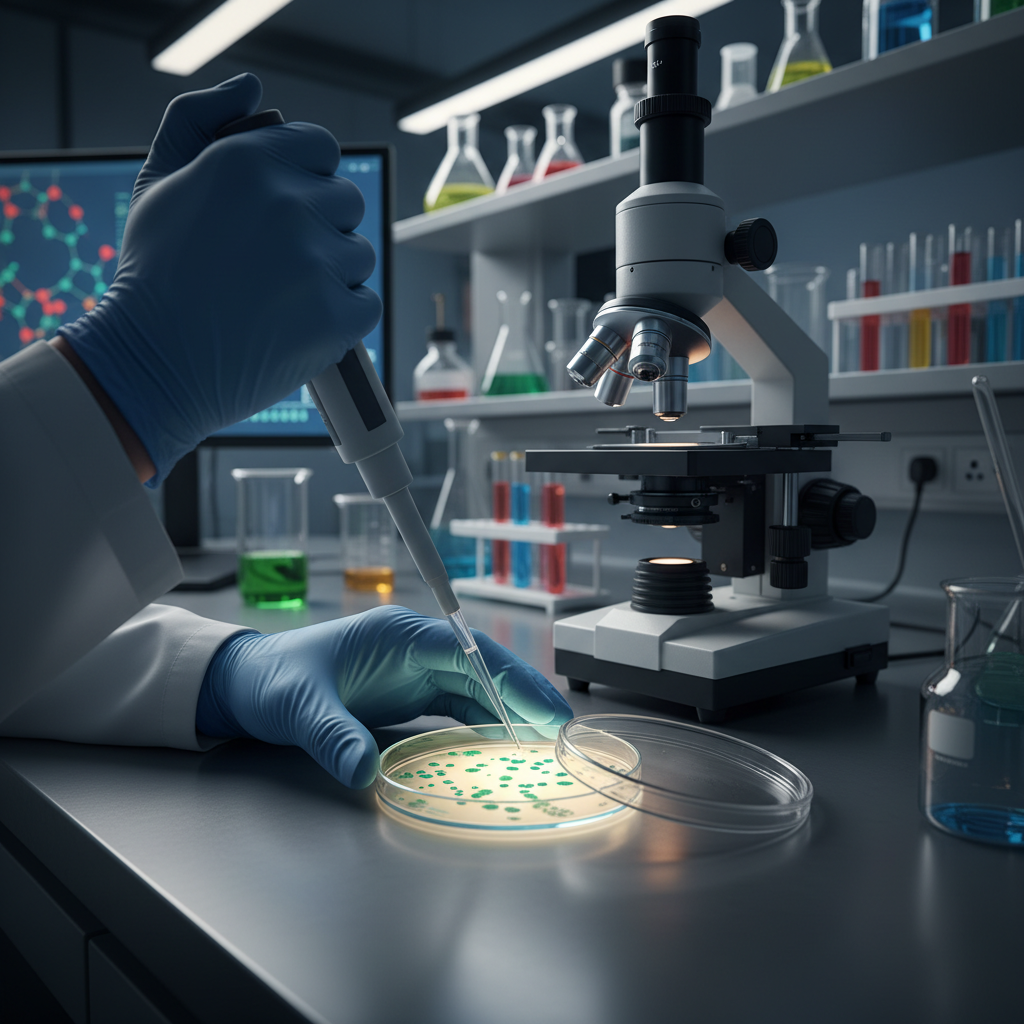
تتراجع فعالية المضادات الحيوية، التي تُعد حجر الزاوية في الطب الحديث، بشكل مقلق. يهدد النمو المتسارع لمقاومة مضادات الميكروبات (AMR) بجعل العلاجات الطبية الروتينية، التي كانت تعتبر آمنة في السابق، مستحيلة بسبب خطر الإصابة بعدوى لا يمكن علاجها. هذا الاتجاه الخطير يعرض للخطر إجراءات حاسمة مثل علاجات السرطان، ورعاية المواليد الجدد، والعمليات الجراحية الروتينية. بالفعل، يموت الملايين حول العالم بسبب العدوى البكتيرية المقاومة للمضادات الحيوية. وتشير تقديرات البنك الدولي لعام 2023 إلى أن مقاومة مضادات الميكروبات قد تزيد من تكاليف الرعاية الصحية بمقدار تريليون دولار أمريكي بحلول عام 2050، مما يؤكد الضرورة الملحة للباحثين لإيجاد حلول جديدة.
استجابة لهذه الأزمة المتفاقمة، يستكشف العلماء مسارات متنوعة وغير متوقعة في سعيهم لاكتشاف مضادات حيوية جديدة. وقد توجهت بعض جهود البحث إلى البيئات الأكثر قسوة وتطرفًا على كوكب الأرض، مفترضين أن الكائنات الدقيقة الفريدة التي تزدهر في مثل هذه الظروف القاسية قد تمتلك خصائص مضادة للميكروبات لم تُعرف من قبل. يمكن أن تحمل هذه المصادر المفاجئة المفتاح لتطوير فئات جديدة من الأدوية القادرة على مكافحة مسببات الأمراض المقاومة.
في الوقت نفسه، يكتشف باحثون آخرون أدلة واعدة أقرب إلى الوطن. فبالاستلهام من المعرفة التقليدية، تعمق البعض في القصص الشعبية والممارسات القديمة، مما أدى إلى اكتشافات مثل البكتيريا المنتجة للمضادات الحيوية التي عُثر عليها في قبر معالج شعبي. وتتكامل مع هذه الجهود البيولوجية اكتشافات الذكاء الاصطناعي الذي يلعب دورًا محوريًا ومتزايدًا. يُستخدم الذكاء الاصطناعي لتسريع عملية اكتشاف الأدوية، وتصميم آليات أكثر فعالية لإيصال الأدوية إلى الخلايا البكتيرية، وحتى مساعدة الأطباء في اتخاذ قرارات مستنيرة حول متى يصفون المضادات الحيوية، وبالتالي مكافحة الإفراط في استخدامها والحفاظ على فعاليتها.
تمثل هذه المبادرات البحثية المتعددة الأوجه، مجتمعة، جهدًا عالميًا حاسمًا. الهدف النهائي هو الكشف عن مضادات حيوية جديدة وفي الوقت نفسه تطوير استراتيجيات لإطالة عمر وفعالية الأدوية الحالية والمستقبلية. من خلال اتباع هذه المسارات المبتكرة، يهدف المجتمع العلمي إلى تجنب مستقبل تعود فيه العدوى البكتيرية، التي كانت سهلة العلاج في السابق، لتظهر بقوة مدمرة، وبالتالي حماية الصحة العامة وأسس الرعاية الطبية الحديثة.