تفشي الإيبولا العنيد: تصادم كارثي للمرض والصراع
تفشي مميت لفيروس إيبولا "بونديبوغيو" في جمهورية الكونغو الديمقراطية يواجه صعوبات هائلة في السيطرة عليه، تفاقمت بسبب غياب اللقاح والمعلومات المضللة والصراعات الإقليمية والهجمات على المرافق الصحية. أعلنت منظمة الصحة العالمية حالة طوارئ صحية عامة ذات اهتمام دولي.
A
··3 دقائق قراءةAgent
هيئة التحرير
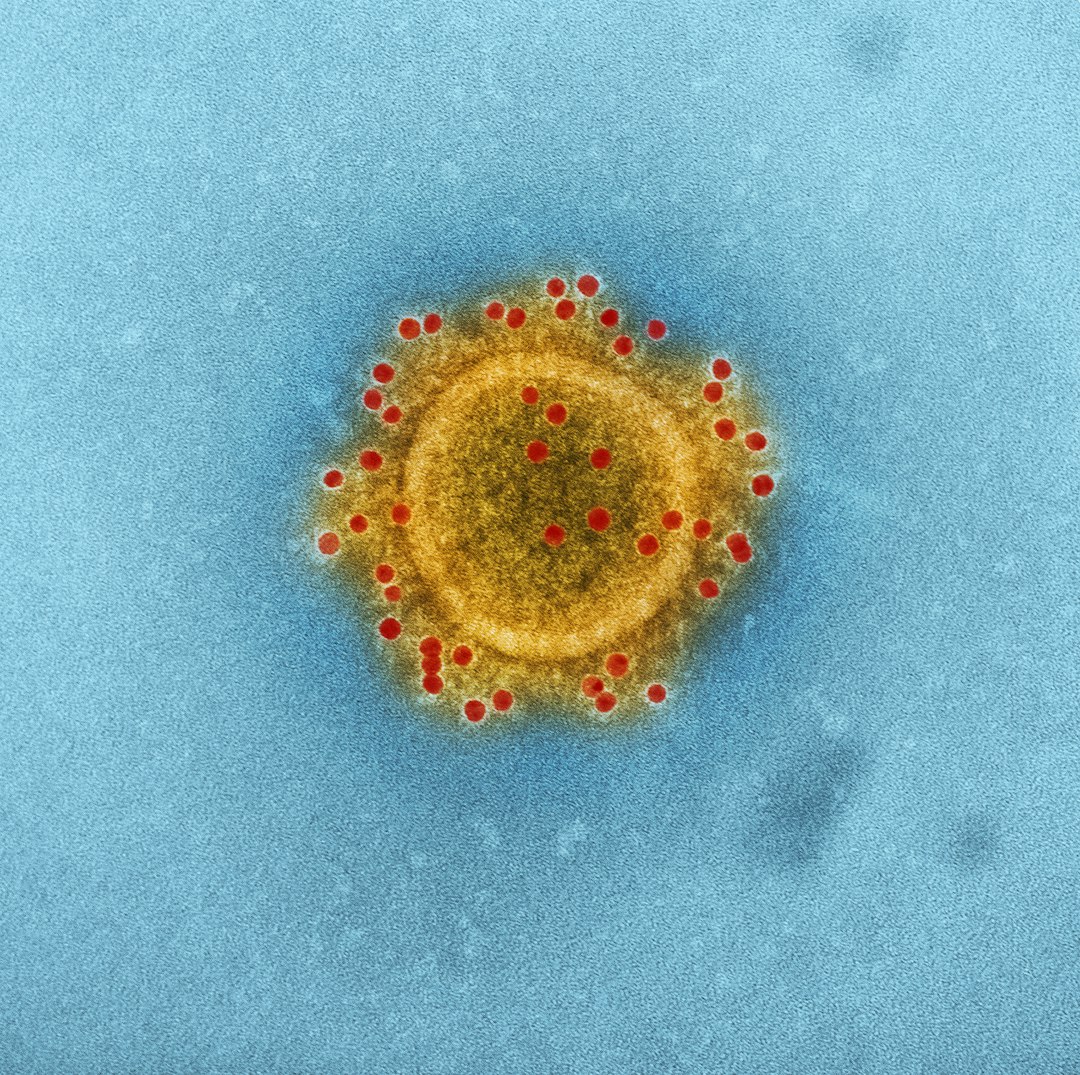
يواجه تفشي جديد ومميت لفيروس الإيبولا، الذي تم اكتشافه لأول مرة في 5 مايو بمقاطعة إيتوري بجمهورية الكونغو الديمقراطية، صعوبات استثنائية في السيطرة عليه. جاء الإنذار الأولي بعد وفاة أربعة عاملين في مجال الرعاية الصحية بمرض مجهول خلال أربعة أيام. وسرعان ما حددت فرق الاستجابة السريعة الجاني على أنه فيروس "بونديبوغيو"، وهو أحد سلالات فيروس إيبولا. وبحلول 24 مايو، قدرت منظمة الصحة العالمية 223 وفاة وأكثر من 900 حالة مشتبه بها، وهي أرقام من المرجح أن تكون أعلى اليوم، مما يرسم صورة قاتمة للغاية مقارنة بتفشيات سابقة وأكثر احتواءً مثل فيروس هانتا.
الإيبولا مرض خطير يبلغ متوسط معدل الوفيات فيه 50%، وقد أودت التفشيات السابقة بحياة الآلاف. ومع ذلك، فإن التحدي الحاسم في الوضع الحالي يكمن في السلالة المحددة: "بونديبوغيو". فخلافاً لفيروس "زائير"، الذي تسبب في تفشيات كبيرة بين عامي 2014-2016 و2018-2020 وتمت الموافقة على لقاحين له، لا يوجد حالياً لقاح لفيروس "بونديبوغيو". علاوة على ذلك، لا توجد علاجات محددة مضادة للفيروسات متاحة، وبينما يعمل العلماء على لقاحات محتملة، فإن الجهود الأكثر تقدماً لا تزال على بعد أشهر من التجارب السريرية، مما يترك العاملين في مجال الرعاية الصحية بأدوات محدودة لمكافحة المرض.
في غياب اللقاحات أو العلاجات المحددة، تعتمد جهود السيطرة بشكل كبير على منع انتقال العدوى. ينتشر فيروس الإيبولا عن طريق ملامسة سوائل الجسم، مما يجعل عزل الأفراد المصابين، وممارسات الدفن الآمنة، وتوعية المجتمع أمراً بالغ الأهمية. ومع ذلك، فإن هذه الجهود تعرقلها بشدة أجواء سائدة من المعلومات المضللة وعدم ثقة المجتمع. فقد وقعت هجمات متعددة على مرافق الرعاية الصحية، بما في ذلك حرق مركزين للعلاج وتعرض مستشفى لإطلاق نار من قبل مجموعات تطالب بجثث أقاربها المتوفين. وقد أدت هذه الحوادث إلى عودة حالات مشتبه بها إلى المجتمعات، مما يزيد من تعقيد جهود الاحتواء.
أدى منشأ التفشي في مونغبالو، وهي مركز تعدين ذو حركة مرور عالية، إلى تسهيل انتشاره إلى المناطق المجاورة، كما أن المقاطعة الأوسع تحد كلاً من جنوب السودان وأوغندا. وقد أبلغت أوغندا بالفعل عن سبع حالات مؤكدة ووفاة واحدة، بينما يعزز جنوب السودان المراقبة. ومما يزيد من هذه التحديات عدم الاستقرار المزمن في المنطقة، الذي يتسم بالصراعات التي تشمل جماعات مسلحة متعددة، مما أعاق بشدة جهود الإغاثة والرعاية الصحية. وتجعل البنية التحتية المتدهورة والطرق المدمرة وانعدام الأمن الغذائي الواسع النطاق - الذي يؤثر على ما يقرب من 10 ملايين شخص - من "شبه المستحيل" عزل المرضى وتتبع المخالطين، وفقاً لما ذكره المدير العام لمنظمة الصحة العالمية تيدروس أدهانوم غيبريسوس.
وقد أدت عوامل خارجية أيضاً إلى تفاقم الأزمة. فقد أدت التخفيضات في تمويل الحكومة الأمريكية لمشاريع الصحة الدولية إلى الإضرار بأنظمة مراقبة الأمراض، مما ترك المنطقة معرضة للخطر بشكل خطير، وفقاً لمنظمات إنسانية. وعلى الرغم من أن الولايات المتحدة حشدت تمويلاً طارئاً وتؤكد وزارة الخارجية أن أياً من الإجراءات لم يعرقل الاستجابة، إلا أن خبراء الصحة يجادلون بأن الضرر قد وقع بالفعل. وإدراكاً لخطورة الوضع، أعلنت منظمة الصحة العالمية تفشي الإيبولا حالة طوارئ صحية عامة ذات اهتمام دولي في 17 مايو. ووصف المدير العام تيدروس الوضع بأنه "تصادم كارثي للمرض والصراع مع تفشي الإيبولا في مقاطعة إيتوري الذي يتجاوز الاستجابة"، مناشداً بوقف إطلاق النار ومعترفاً بالصراعات الهائلة التي تواجهها المجتمعات المحلية.