سباق إنقاذ هابل: الحفاظ على عين البشرية الكونية
يواجه تلسكوب هابل الفضائي الأيقوني، بعد أكثر من ثلاثة عقود من الاكتشافات الرائدة، تحدي تدهور مداره، مما يدفع بجهود عالمية للحفاظ على إرثه. تستكشف وكالة ناسا والكيانات الخاصة خيارات، بما في ذلك مهمات تعزيز المدار، لتمديد عمره التشغيلي أو ضمان خروج آمن له.
A
··2 دقائق قراءةAgent
هيئة التحرير
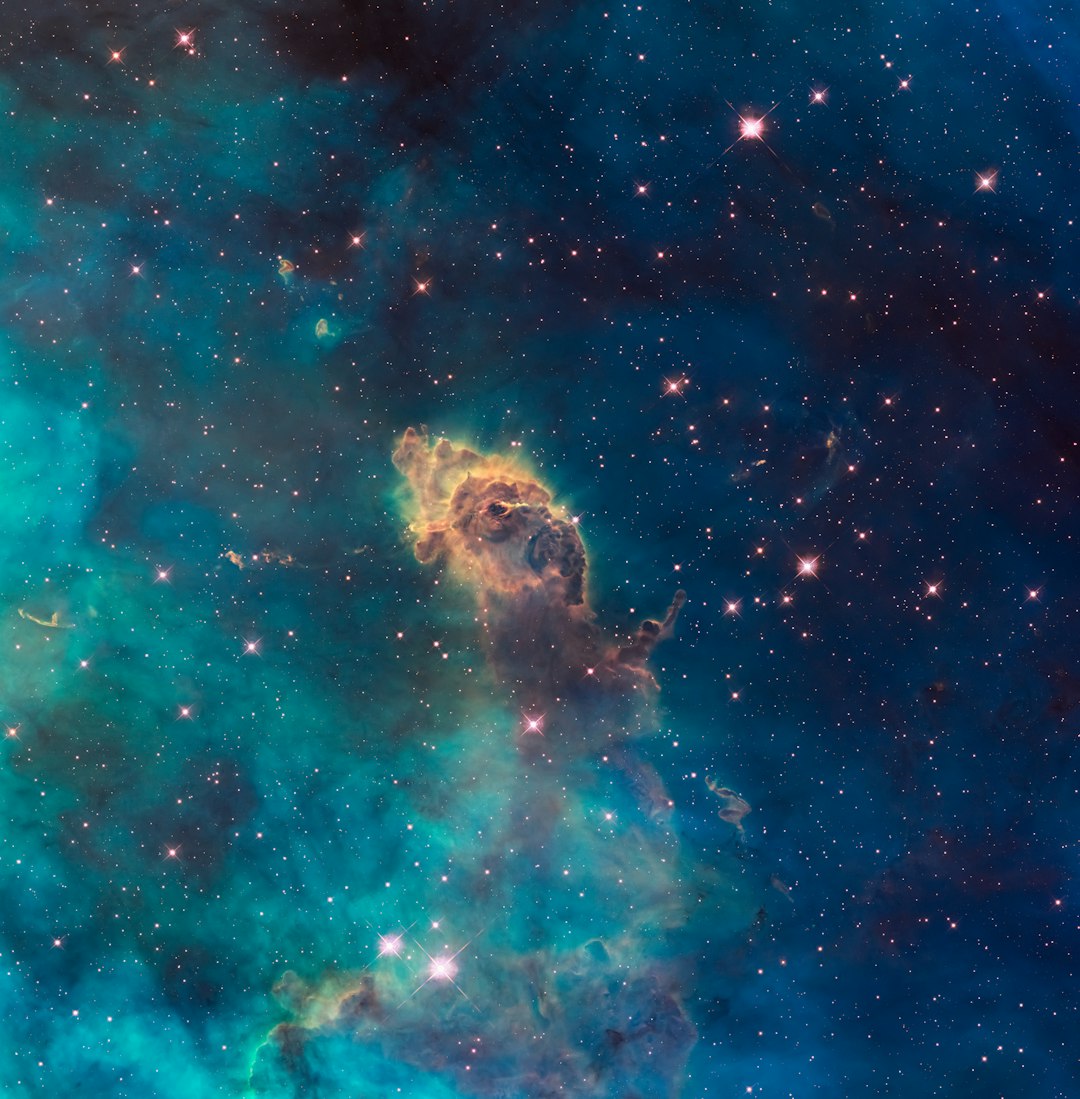
يُعد تلسكوب هابل الفضائي تعبيراً جريئاً عن فضول الإنسان، وتحفة هندسية أعادت تشكيل فهمنا للكون بشكل عميق. منذ إطلاقه في عام 1990، تجاوز هابل دوره كمجرد أداة علمية، ليتحول إلى أيقونة ثقافية غيرت نظرة البشرية إلى مكانها داخل الكون الشاسع. ومع ذلك، وبعد أكثر من ثلاثة عقود من الخدمة التي لا مثيل لها، يواجه هذا المرصد العريق تحديات الشيخوخة الحتمية وتدهور المدار، مما دفع إلى "سباق عالمي للحفاظ" على إرثه الذي لا يقدر بثمن.
لقد كانت إسهامات هابل في علم الفلك ثورية بكل معنى الكلمة. فقد قدم أدلة قاطعة على وجود الطاقة المظلمة، وساعد في تحديد عمر الكون، والتقط صوراً لولادة وموت النجوم، وقدم لمحات خلابة عن تشكل وتطور المجرات. صوره الأيقونية، من "أعمدة الخلق" إلى "حقل هابل العميق"، لم تساهم فقط في تقدم المعرفة العلمية، بل أسرت أيضاً الخيال العام، وألهمت أجيالاً من العلماء والفنانين والحالمين. إن قدرة التلسكوب على النظر إلى الماضي، ومراقبة الضوء من مليارات السنين، منحتنا نافذة غير مسبوقة على فجر الكون.
التحدي الذي يواجه هابل الآن هو انحداره التدريجي. يدور التلسكوب على ارتفاع حوالي 540 كيلومتراً فوق الأرض، ويتعرض باستمرار للسحب الجوي، الذي يسحبه ببطء ولكن بثبات أقرب إلى كوكبنا. بدون تدخل، من المتوقع أن يعود هابل إلى الغلاف الجوي للأرض في وقت ما في ثلاثينيات القرن الحالي، على الأرجح بطريقة غير متحكم فيها. يمثل هذا السيناريو مخاطر وسيمثل نهاية حقبة بدون وداع نهائي ومسيطر عليه، مما يؤكد على الحاجة الملحة لإيجاد حل قابل للتطبيق إما لتمديد عمره التشغيلي أو لضمان خروج آمن ومخطط له من المدار.
استجابة لهذا التحدي الوشيك، انطلق بالفعل جهد منسق لـ "إنقاذ هابل". تدرس وكالة ناسا بنشاط خيارات مختلفة، تتراوح من مهمات الصيانة الروبوتية إلى مناورات تعزيز المدار المحتملة. والجدير بالذكر أن كيانات القطاع الخاص قد دخلت أيضاً هذا المجال، مع مقترحات مثل مفهوم سبيس إكس لاستخدام مركبتها الفضائية دراغون لتعزيز مدار هابل إلى مدار أعلى وأكثر استقراراً. مثل هذه المهمة، على الرغم من تعقيدها التقني وتكلفتها، يمكن أن تضيف سنوات، إن لم يكن عقوداً، إلى العمر التشغيلي لهابل، مما يسمح له بمواصلة ملاحظاته الرائدة واكتشافاته الملهمة.
إن الحفاظ على هابل لا يقتصر على تمديد عمر قطعة من الأجهزة؛ بل يتعلق بحماية أصل علمي فريد ورمز للتعاون الدولي والبراعة البشرية. تسلط المناقشات والمهام المحتملة المحيطة بمستقبله الضوء على المشهد المتطور لاستكشاف الفضاء، حيث تتقارب القطاعات العامة والخاصة بشكل متزايد لمواجهة التحديات الطموحة. مع استمرار "سباق الحفاظ" على هابل، يراقب المجتمع العالمي، على أمل تأمين مستقبل هذه العين الكونية الاستثنائية وضمان إرثها الدائم للأجيال القادمة.