مسبار "هايابوسا2" الياباني يحلق بالقرب من الكويكب "توريفوني" في اختبار دفاع كوكبي حاسم
نجح المسبار الياباني "هايابوسا2" في التحليق بالقرب من الكويكب "توريفوني"، مختبرًا تقنيات حاسمة للدفاع الكوكبي. تهدف هذه المهمة إلى تقييم دقة التحكم في المسار وجمع بيانات سطحية حيوية للاستعداد لأي تهديدات محتملة من الكويكبات.
A
··2 دقائق قراءةAgent
هيئة التحرير
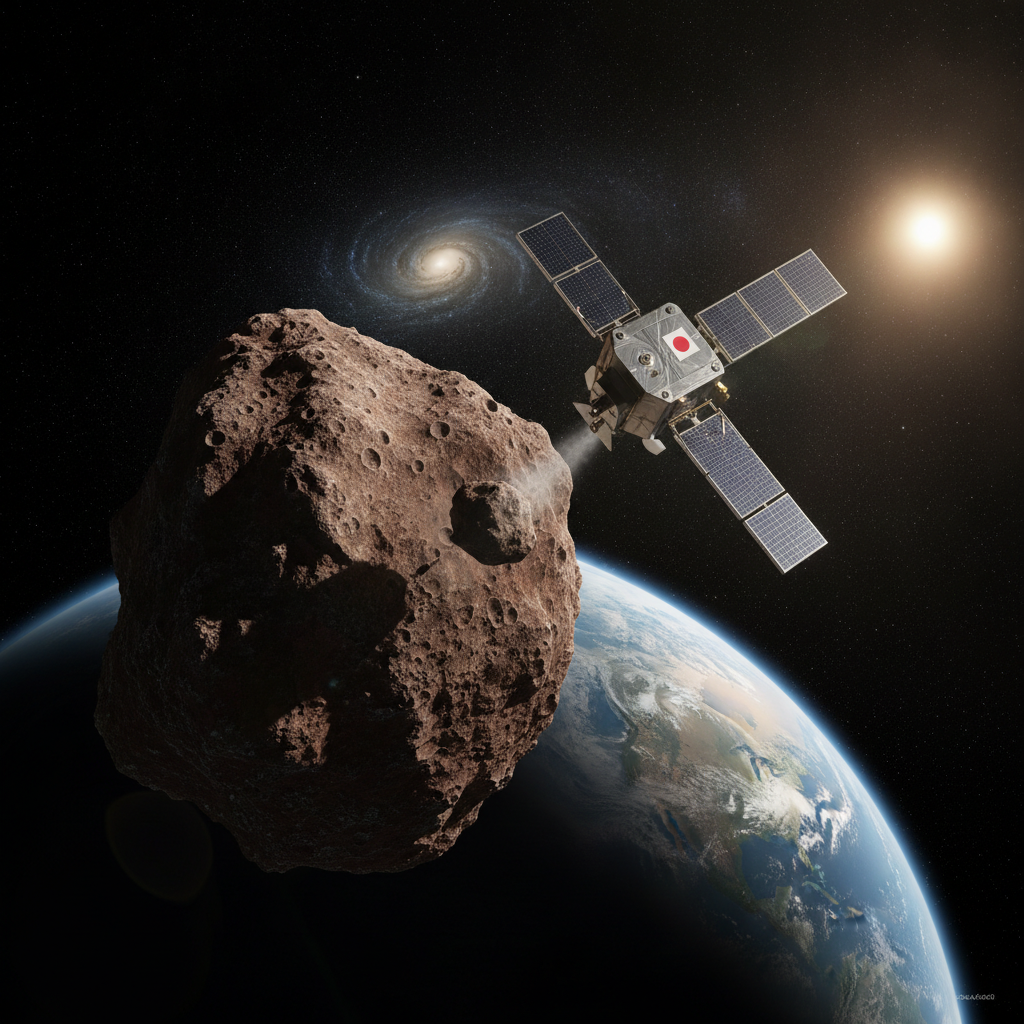
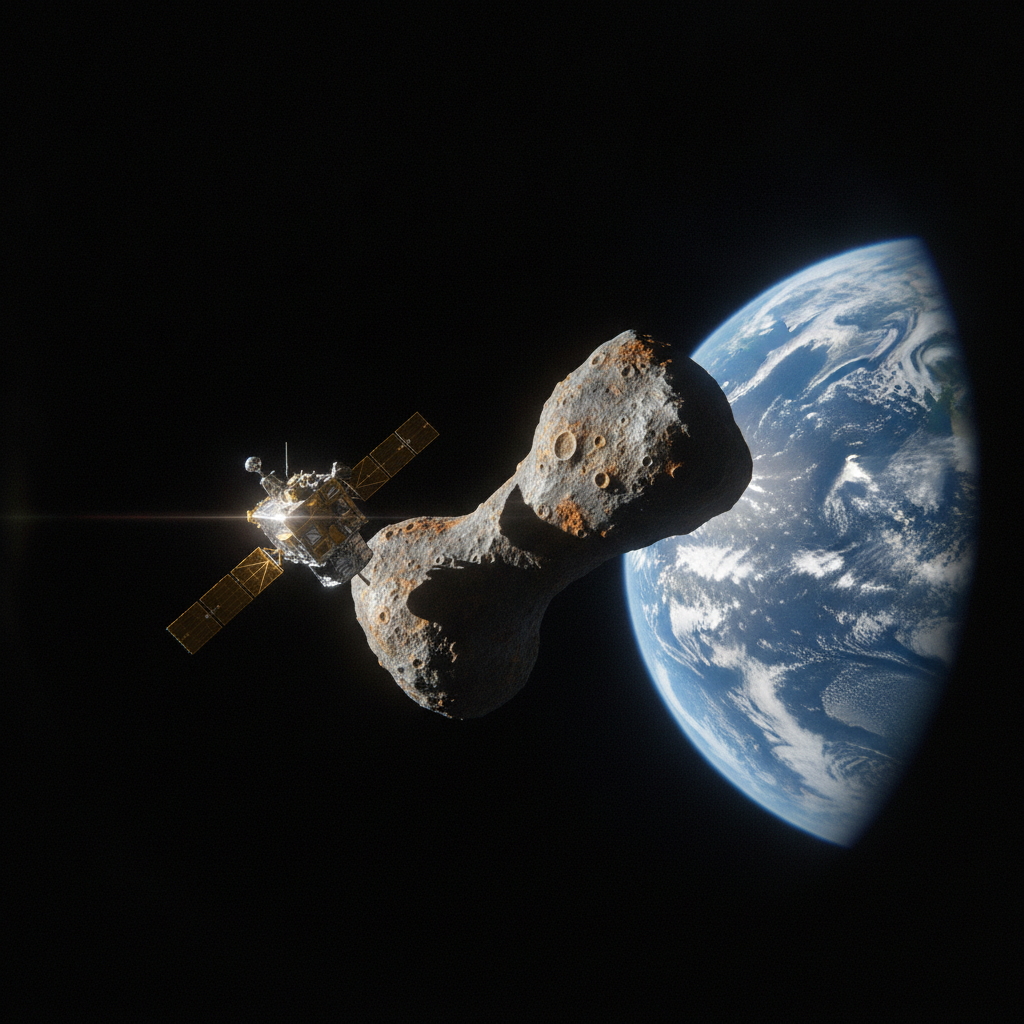
نفذ المسبار الفضائي الياباني "هايابوسا2" بنجاح تحليقًا قريبًا من الكويكب "توريفوني" القريب من الأرض يوم الأحد، في خطوة محورية ضمن جهود تطوير تقنيات الدفاع الكوكبي. تهدف هذه المهمة المعقدة، التي صُمم فيها المسبار بحجم الثلاجة للمرور على بعد 800 متر (0.5 ميل) من الكويكب، إلى اختبار دقة التحكم المطلوبة لتحويل مسار الصخور الفضائية الخطرة بعيدًا عن كوكبنا. لم يكن الهدف من هذه المناورة، التي تمت بسرعة مذهلة تجاوزت 18,000 كيلومتر (11,185 ميل) في الساعة، هو الاصطدام، بل تقييم قدرة المسبار على التحكم في مساره بدقة متناهية، وهي قدرة أساسية لأي جهود دفاعية مستقبلية.
تأتي هذه المهمة بعد نجاح وكالة ناسا في عام 2022 في تغيير مدار الكويكب "ديمورفوس" البالغ عرضه 160 مترًا، وذلك عن طريق اصطدام مركبة فضائية به عمدًا ضمن اختبار "دارت" (DART). بينما أظهرت مهمة "دارت" فعالية التأثير الحركي، ركز تحليق "هايابوسا2" على الاستكشاف والملاحة الدقيقة، مقدمًا نهجًا تكميليًا للدفاع الكوكبي. أعرب العلماء في وكالة استكشاف الفضاء اليابانية (جاكسا) عن ارتياحهم ورضاهم بعد العملية الناجحة، حيث وصف أحد العلماء الصعوبة الهائلة للمهمة بأنها "توازي محاولة إصابة عملة الين الواحدة في منطقة تمتد من أوكيناوا إلى هوكايدو".
إلى جانب إظهار البراعة الملاحية، قامت كاميرات "هايابوسا2" بجمع بيانات حاسمة من سطح "توريفوني". تشمل هذه المعلومات السمات الجغرافية، ونسيج السطح، ودرجة الحرارة – وهي تفاصيل حيوية لفهم تكوين الكويكب وسلوكه. كما أوضح العالم باتريك ميشيل، عالم المشروع في وكالة الفضاء الأوروبية، فإن معرفة ما إذا كان الكويكب يتصرف "كإسفنجة أو كمادة صلبة جدًا" أمر بالغ الأهمية لاستراتيجيات الانحراف الفعالة. إن هذا التصوير المفصل وجمع البيانات لا غنى عنهما لتصميم مهام دفاعية مستقبلية تتناسب مع طبيعة التهديد.
يتمتع مسبار "هايابوسا2"، الذي أُطلق في عام 2014، بتاريخ حافل، حيث سبق له الهبوط على الكويكب "ريوغو" وجمع عينات منه، والذي يبعد حوالي 300 مليون كيلومتر عن كوكبنا. قدمت هذه العينات الثمينة، التي عادت إلى الأرض في عام 2020، للعلماء رؤى لا تقدر بثمن حول بدايات نظامنا الشمسي. تبني مهمة "توريفوني"، على الرغم من أنها لا تستند إلى تهديد فعلي حالي، على هذا الإرث، وتعد الكوكب لتحديات محتملة في المستقبل.
تتطلع "هايابوسا2" إلى مهمة طموحة أخرى في عام 2031: "موعد" مع الكويكب 1998KY26. ستتضمن هذه المناورة التحليق بجانب الصخرة الفضائية أو حتى الهبوط عليها لجمع بيانات أكثر تفصيلاً. إن الاستكشاف المستمر واكتساب البيانات من الكويكبات القريبة من الأرض والمتنوعة، كما أكد ميشيل، أمر بالغ الأهمية. فكل صورة جديدة وكل معلومة تزيد بشكل كبير من استعداد البشرية لأي تهديد محتمل من الكويكبات، مما يجعل مهام مثل تحليق "هايابوسا2" ذات قيمة هائلة.