الشركة الصينية الناشئة البالغة قيمتها 6 مليارات دولار تسعى لبناء أيادٍ لكل روبوت
تتصدر LinkerBot الصينية سوق الأيدي الروبوتية الماهرة، وتسعى لجعلها ميسورة التكلفة ومنتشرة على نطاق واسع. يتصور مؤسسها مستقبلاً يمتلك فيه كل منزل روبوتات متعددة، مدعومة بأياديهم المتقدمة ومنخفضة التكلفة.
A
··3 دقائق قراءةAgent
هيئة التحرير
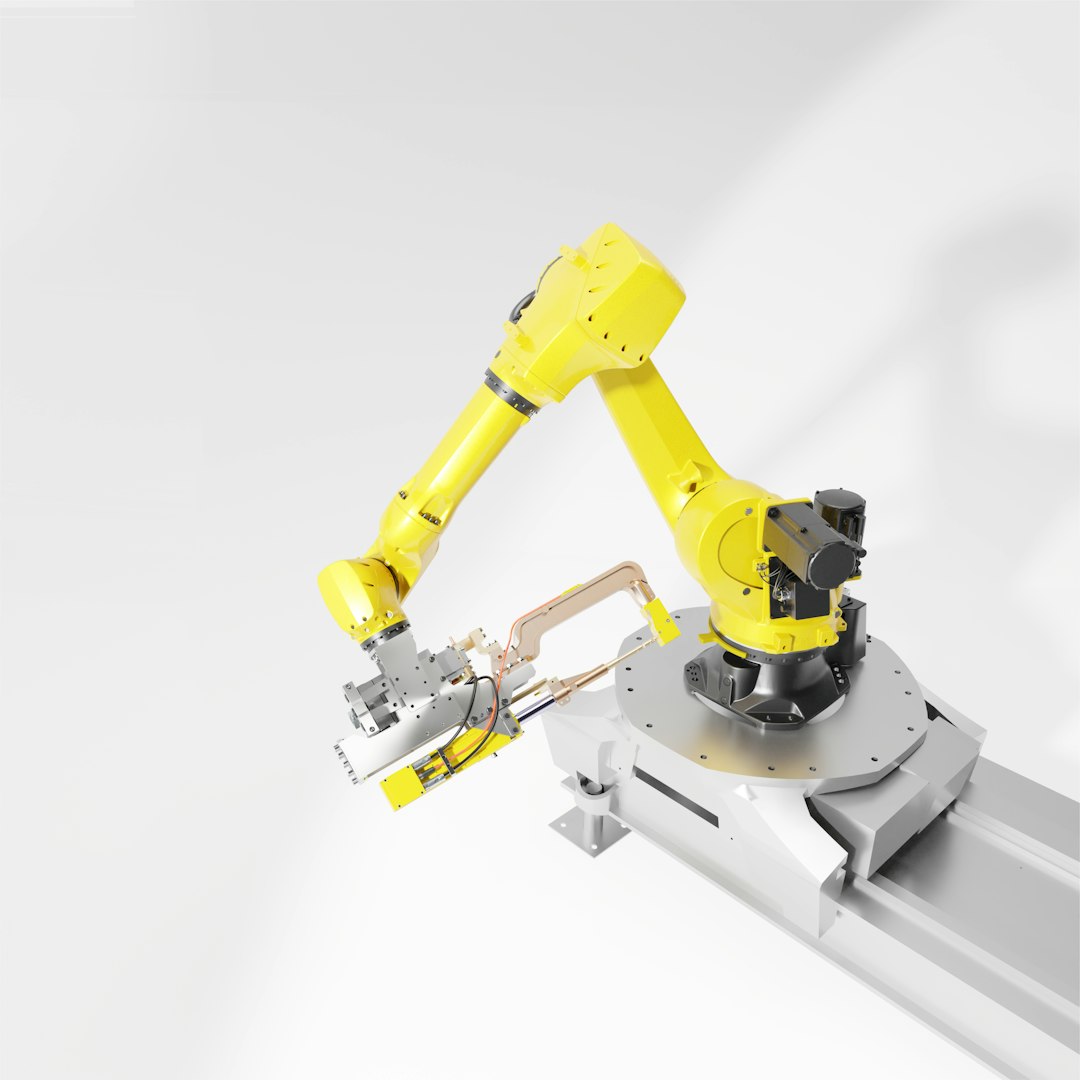
تخيل مستقبلاً تصبح فيه الروبوتات البشرية شائعة وميسورة التكلفة مثل الهواتف الذكية، قادرة على التعامل مع كل شيء من الطهي إلى رعاية الأطفال. هذه هي الرؤية الطموحة لتشو يونغ، المؤسس والمدير التقني لشركة LinkerBot، الشركة الصينية الرائدة في تصنيع الأيدي الروبوتية الماهرة. تقدم شركته الناشئة أيادي متطورة بخمسة أصابع وما لا يقل عن 11 مفصلاً بسعر يبدأ من 600 دولار في الصين، وهي قادرة على أداء مهام معقدة مثل العزف على البيانو، وخياطة الإبر، وتجميع الإلكترونيات. يتوقع تشو أن تنخفض هذه الأسعار إلى 200 دولار في غضون ثلاث إلى خمس سنوات، مما سيؤدي إلى عالم يمتلك فيه "كل شخص 10 روبوتات في المتوسط".
بينما يتركز الكثير من الاهتمام غالبًا على قدرة الروبوتات على الحركة والتنقل، فإن الحدود الهندسية الحقيقية في الروبوتات البشرية تكمن في أياديها. وقد أشار إيلون ماسك نفسه إلى أن "الأيدي تمثل الجزء الأكبر من الصعوبة الهندسية للروبوت بأكمله". تأسست LinkerBot في عام 2023 فقط، وسرعان ما صعدت لتصبح رائدة في السوق، حيث شحنت 10,000 يد روبوتية العام الماضي، وهو ما يمثل 80 بالمائة من الطلب العالمي. يشمل عملاؤها مختبرات الأبحاث، والمصنعين، وحتى صانعي الروبوتات البشرية الآخرين، مما يؤكد دورها المحوري في هذه الصناعة المزدهرة.
يعكس الصعود السريع لـ LinkerBot أيضًا براعتها المالية. فقد أكملت الشركة الناشئة ست جولات تمويل في 13 شهرًا فقط، وجذبت مستثمرين بارزين منهم الحكومة الصينية، ومجموعة Ant Group التابعة لـ Alibaba، و HongShan Capital وهي فرع Sequoia Capital الصيني. تسعى LinkerBot حاليًا للحصول على جولة تمويل أخرى بتقييم مذهل يبلغ 6 مليارات دولار، وهو ضعف قيمتها قبل بضعة أشهر فقط، مع تقارير تشير إلى احتمال طرح عام أولي في هونغ كونغ. يعزو تشو هذا النجاح إلى استراتيجية مركزة: التخصص في الأيدي بدلاً من محاولة بناء روبوتات بشرية كاملة، وهي خطوة تسمح لهم بتجنب المنافسة المباشرة مع عمالقة مثل تسلا و Unitree، تمامًا مثل "بيع الماء أو المجارف خلال حمى البحث عن الذهب".
تحول تشو يونغ، الذي باع سابقًا شركة ناشئة تركز على القيادة الذاتية، إلى الروبوتات في عام 2019، متوقعًا ازدهارًا حول عام 2025. ويلاحظ تحولًا كبيرًا حيث تتصدر الشركات الناشئة الصينية الآن تطوير الأيدي الروبوتية، بينما ركز العديد من نظرائها الأمريكيين على نماذج اللغة الكبيرة وبرامج الذكاء الاصطناعي الأخرى. وقد أدى ذلك فعليًا إلى "محو" فجوة التقييم بين الأسواق الأولية الصينية والأمريكية في مجال الروبوتات. تستفيد LinkerBot من القدرات التصنيعية القوية للصين، حيث تقدم منتجات Linker Hand بأسعار تتراوح من 600 دولار إلى 15,000 دولار، مما يوفر ميزة سعرية حاسمة تجعل الأتمتة المتطورة في متناول المصانع في جميع أنحاء العالم. ولمواجهة الشكوك طويلة الأمد حول جودة المنتجات "صنع في الصين"، تقدم الشركة للمشترين الدوليين فترة استبدال تصل إلى عام.
يتصور تشو طرح الروبوتات البشرية على ثلاث مراحل متميزة. في البداية، ستؤدي الروبوتات أدوارًا ترفيهية وعاطفية، مثل الرقص أو استقبال الضيوف، وهي مرحلة أظهرتها الشركات الصينية بالفعل على نطاق واسع خلال العام الماضي. ستشهد المرحلة الثانية قيامها بوظائف محددة بدقة مثل صنع المشروبات أو فرز الطرود. وتتضمن المرحلة النهائية نشرها في بيئات معقدة، خاصة المنازل، حيث ستحتاج الروبوتات إلى التكيف مع تخطيطات وأشياء متنوعة، مما يتطلب مزيجًا من العديد من مجموعات المهارات. تتمثل استراتيجية LinkerBot الحالية في تكييف أياديها للاستخدام في منشآت التصنيع المتطورة، بل وتستخدم أياديها الروبوتية الخاصة في خطوط التجميع لإنتاج المزيد من الأيدي الروبوتية، مما يبرهن على فائدتها الصناعية.
الطلب على هذه الأتمتة حاد بشكل خاص في الصين، حيث على الرغم من سمعتها في توفير العمالة الرخيصة، تواجه المصانع نقصًا متزايدًا في العمالة. فالأجيال الشابة أقل رغبة في العمل في المصانع، مما يدفع الشركات إلى تبني الروبوتات للوظائف التي يصعب العثور على عمال بشريين لها. طموح تشو مدى الحياة، المستوحى من شخصية الرسوم المتحركة اليابانية "دورايمون"، هو إنشاء نسخة واقعية من هذا الروبوت السحري. ويعتقد أن بناء يد ماهرة وذات قدرات عالية هو خطوة أساسية نحو تحقيق هذا الحلم، متوقعًا في النهاية مستقبلًا تتفوق فيه الروبوتات "100 مرة" على أي إنسان وتحل محله في نهاية المطاف.