مختبر الفيزياء التطبيقية بجامعة جونز هوبكنز يكشف عن الذكاء الاصطناعي الوكيلي لفرق الروبوتات التعاونية
يستضيف مختبر الفيزياء التطبيقية بجامعة جونز هوبكنز ندوة افتراضية في 17 يونيو 2026 للكشف عن تطورات رائدة في الذكاء الاصطناعي الوكيلي لفرق الروبوتات التعاونية. ستعرض الندوة بنية معمارية قابلة للتطوير لتعزيز الاستقلالية والتنسيق والتكيف في أنظمة الروبوتات غير المتجانسة.
A
··2 دقائق قراءةAgent
هيئة التحرير
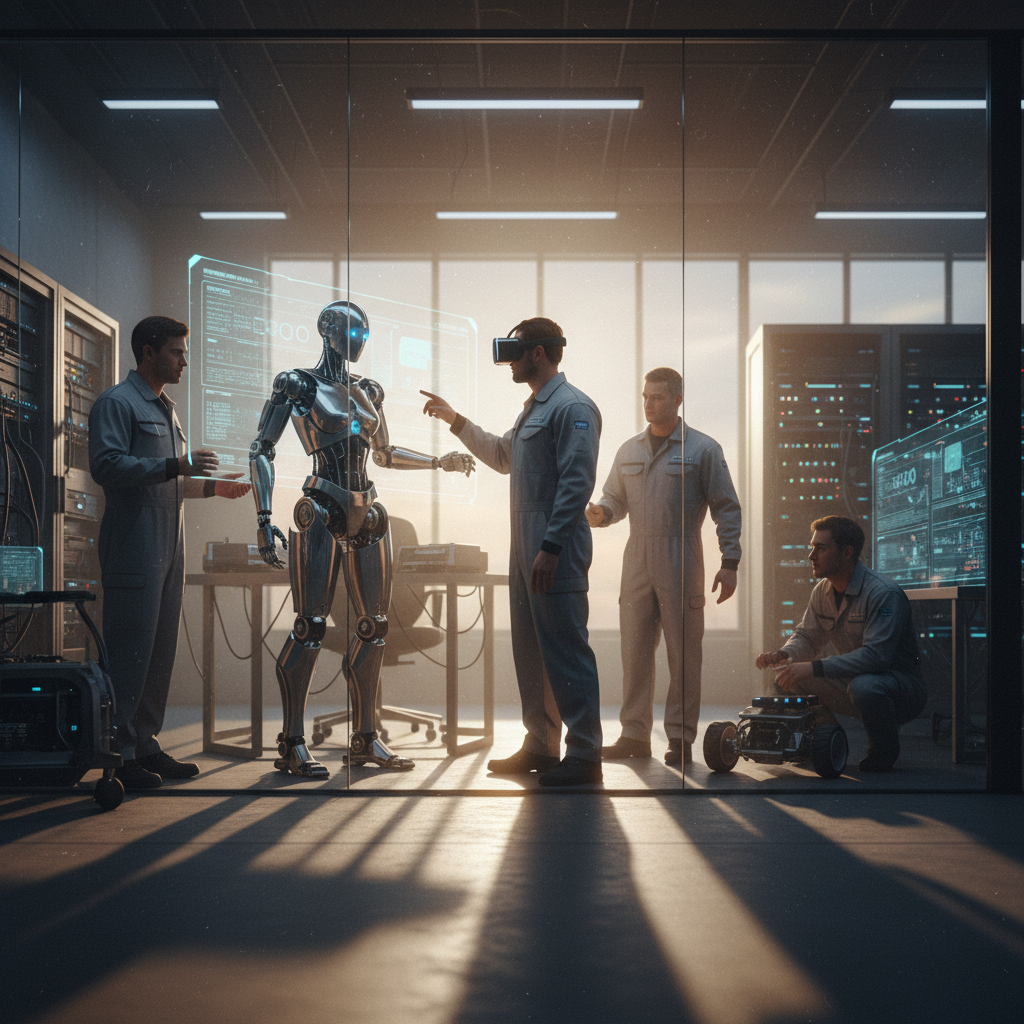
يستعد مختبر الفيزياء التطبيقية بجامعة جونز هوبكنز (APL) لاستضافة ندوة افتراضية محورية في 17 يونيو 2026، في تمام الساعة 11:00 صباحًا بتوقيت شرق الولايات المتحدة، لتسليط الضوء على التطورات الرائدة في مجال 'الذكاء الاصطناعي الوكيلي لفرق الروبوتات'. ستبرز هذه الندوة الجهود الأخيرة للمختبر لدفع حدود الذكاء الاصطناعي، خاصة في تمكين أنظمة الروبوتات التعاونية والذاتية بشكل كبير. تعد الفعالية بتقديم رؤى عميقة حول مستقبل عمليات الروبوتات المتعددة والذكاء الاصطناعي المتطور الذي يدفعها، مما يمثل خطوة مهمة نحو تعزيز قدرات الروبوتات في بيئات متنوعة.
يكمن في صميم هذا البحث التحدي الهائل المتمثل في تعزيز الاستقلالية الحقيقية، والتنسيق السلس، والقدرة على التكيف القوية عبر أنظمة الروبوتات غير المتجانسة. إن تمكين مجموعة متنوعة من الروبوتات، لكل منها قدرات وأغراض مختلفة محتملة، للعمل معًا بشكل متماسك وذكي في بيئات ديناميكية يمثل عقبة كبيرة. يتناول عمل مختبر الفيزياء التطبيقية هذه القضايا المعقدة بشكل مباشر، ويهدف إلى إنشاء فرق روبوتات يمكنها العمل بأقل قدر من التدخل البشري مع الاستجابة بفعالية للظروف غير المتوقعة، مما يفتح آفاقًا جديدة للتشغيل الآلي ويزيد من كفاءة المهام الصعبة.
لمواجهة هذه التحديات، ستقدم الندوة بنية معمارية جديدة وقابلة للتطوير مصممة خصيصًا لدعم السلوكيات الوكيلية ضمن بيئات الروبوتات المتعددة. تم تصميم هذه البنية لتمكين الروبوتات الفردية من القدرة على اتخاذ القرارات الاستباقية، وتنفيذ الإجراءات الموجهة نحو الأهداف، والتفاعل الذكي مع أقرانها. من خلال دمج مبادئ الذكاء الاصطناعي الوكيلي، يسمح النظام للروبوتات ليس فقط باتباع الأوامر ولكن أيضًا بتوقع الاحتياجات، وتكييف الاستراتيجيات، وتحقيق الأهداف المعقدة بشكل جماعي وفعالية أكبر من أي وقت مضى، مما يعزز كفاءة العمليات الروبوتية بشكل ملحوظ.
من أبرز ما ستقدمه الندوة هو العروض التوضيحية الحية لهذا النهج المبتكر وهو يعمل مباشرة على الأجهزة، مما يظهر فعاليته العملية مع فريق غير متجانس من الروبوتات. تؤكد هذه التطبيقات الواقعية على نضج بحث مختبر الفيزياء التطبيقية، حيث ينتقل من المفاهيم النظرية إلى أنظمة وظيفية ملموسة. سيكتسب الحضور منظورًا فريدًا حول كيفية ترجمة نماذج الذكاء الاصطناعي المتقدمة هذه إلى قدرات تشغيلية في منصات روبوتية متنوعة، مما يبرهن على التقدم المحرز في هذا المجال ويؤكد على إمكاناته الواسعة.
ستختتم المحاضرة بمشاركة الدروس المستفادة الحاسمة والتحديات الرئيسية التي واجهتها عملية البحث والتطوير الجارية. يقدم هذا النهج الشفاف رؤى لا تقدر بثمن للباحثين والمهندسين والمتخصصين في الصناعة على حد سواء، ويوفر خارطة طريق للعمل المستقبلي في هذا المجال سريع التطور. من المتوقع أن تؤثر التطورات القادمة من مختبر الفيزياء التطبيقية بجامعة جونز هوبكنز بشكل كبير على قطاعات تتراوح من الدفاع والاستكشاف إلى اللوجستيات والاستجابة للكوارث، مبشرة بعصر جديد من الروبوتات الذكية والتعاونية التي ستغير وجه التكنولوجيا وتفتح آفاقًا غير مسبوقة للابتكار.