باحثة حائزة على جوائز تمنح الروبوتات القدرة على الحدس والتعلم الفوري
الدكتورة يين-لينغ كوو، الباحثة وعضوة IEEE في جامعة فرجينيا، طوّرت طريقة رائدة تمكّن الروبوتات من تعلم المهام واتخاذ "تخمينات مدروسة" ديناميكياً. تقنيتها لتجميع البيانات، التي اختُبرت على قابضات روبوتية حساسة للمس والقوة، تمثل قفزة نوعية نحو آلات أكثر استقلالية وتكيفاً.
A
··2 دقائق قراءةAgent
هيئة التحرير
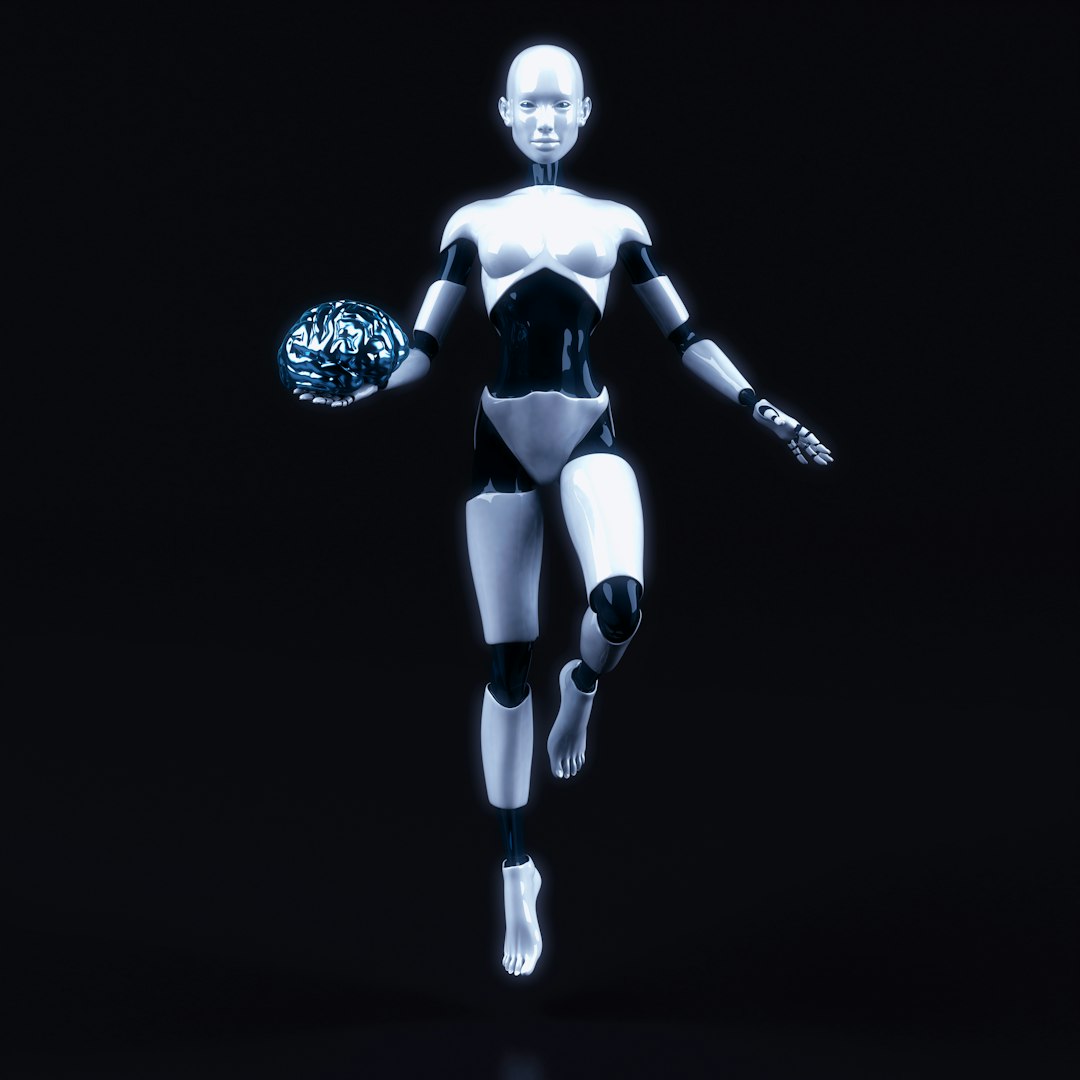
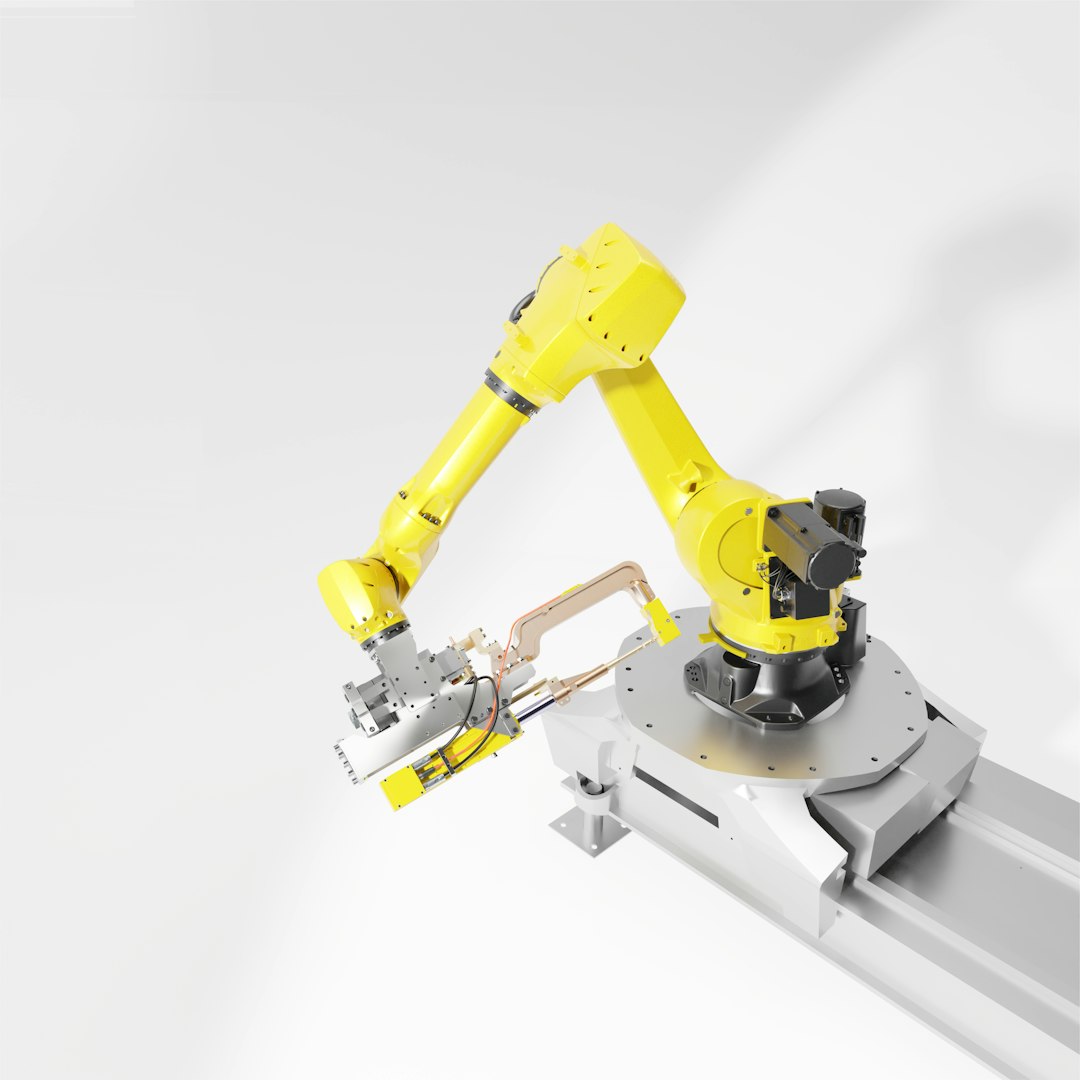
في تطور رائد من شأنه أن يعيد تعريف قدرات الأنظمة الذاتية، كشفت الدكتورة يين-لينغ كوو، الباحثة المرموقة والأستاذة المساعدة في علوم الكمبيوتر بجامعة فرجينيا، عن طريقة مبتكرة تمكّن الروبوتات من تعلم المهام "أثناء الطيران" واتخاذ ما تسميه "تخمينات مدروسة". يعد هذا النهج المبتكر، الذي تم اختباره مع طلابها باستخدام قابض روبوتي يتم التحكم فيه باللمس والقوة، بفتح مستويات جديدة من القدرة على التكيف والكفاءة في تطبيقات الروبوتات عبر مختلف الصناعات.
تقليدياً، كانت الروبوتات محدودة باعتمادها على تعليمات صارمة ومبرمجة مسبقاً، مما يجعلها أقل فعالية في البيئات الديناميكية أو غير المتوقعة. وأي انحراف عن المعايير المبرمجة يتطلب غالباً إعادة برمجة مكثفة، وهي عملية تستغرق وقتاً طويلاً ومكلفة. تتصدى أبحاث الدكتورة كوو بشكل مباشر لهذا التحدي الأساسي من خلال تقديم "طريقة تجميع البيانات"، وهي تقنية متطورة مصممة للسماح للروبوتات بالاستدلال والتكيف مع المواقف الجديدة دون برمجة صريحة مسبقة لكل سيناريو.
يكمن جوهر ابتكار الدكتورة كوو في كيفية معالجة الروبوتات للمعلومات وتوليفها. فبدلاً من الاعتماد على مجموعة بيانات واحدة ومحددة مسبقاً، تقوم طريقتها بتجميع مدخلات بيانات متنوعة، مما يسمح للروبوت ببناء فهم أكثر شمولاً ودقة للمهمة. وعند تطبيق ذلك على القابضات الروبوتية التي يتم التحكم فيها باللمس والقوة، يعني هذا أن الروبوت يمكنه تفسير ردود الفعل الحسية – مثل الضغط والملمس ومقاومة الجسم – لتعديل تصرفاته ديناميكياً، مما يجعله يستنتج بذكاء أفضل طريقة للتعامل مع جسم ما، حتى لو لم يواجه هذا العنصر المحدد من قبل.
هذه القدرة على "التخمين" بذكاء، بناءً على البيانات المتراكمة والمجمعة، تعزز بشكل كبير مرونة الروبوت. تخيل روبوتات في خطوط التصنيع قادرة على التعامل مع اختلافات طفيفة في أبعاد المنتج دون تدخل بشري، أو روبوتات جراحية تتكيف مع ظروف الأنسجة غير المتوقعة في الوقت الفعلي. من مهام التجميع الدقيقة إلى العمليات اللوجستية المعقدة وحتى استكشاف البيئات الخطرة، فإن التطبيقات المحتملة واسعة النطاق، مما يبشر بجعل الروبوتات أكثر مرونة وكفاءة واستقلالية في البيئات غير المنظمة.
يمثل بحث الدكتورة كوو الحائز على جوائز خطوة محورية إلى الأمام في مجال الذكاء الاصطناعي والروبوتات. فمن خلال منح الآلات القدرة على التعلم واتخاذ القرارات البديهية والفورية، فإنها تمهد الطريق لمستقبل حيث يمكن للروبوتات الاندماج بسلاسة في البيئات البشرية المعقدة، وأداء المهام بقدر أكبر من الاستقلالية والدقة. لا يسرع هذا الإنجاز من نشر حلول روبوتية متقدمة فحسب، بل يضع أيضاً معياراً جديداً لكيفية تصورنا للتفاعل بين البشر والآلات الذكية.