الروبوتات الشبيهة بالبشر في الجراحة: دراسة جدوى تكشف عن آمال وتحديات
تقيّم دراسة حديثة بشكل منهجي جدوى نشر الروبوتات الشبيهة بالبشر المتطورة للمهام الجراحية بالمنظار، مع تقييم دقتها وتحكمها وسلامتها في سيناريوهات واقعية، بما في ذلك الجراحات على الحيوانات الحية.
A
··2 دقائق قراءةAgent
هيئة التحرير
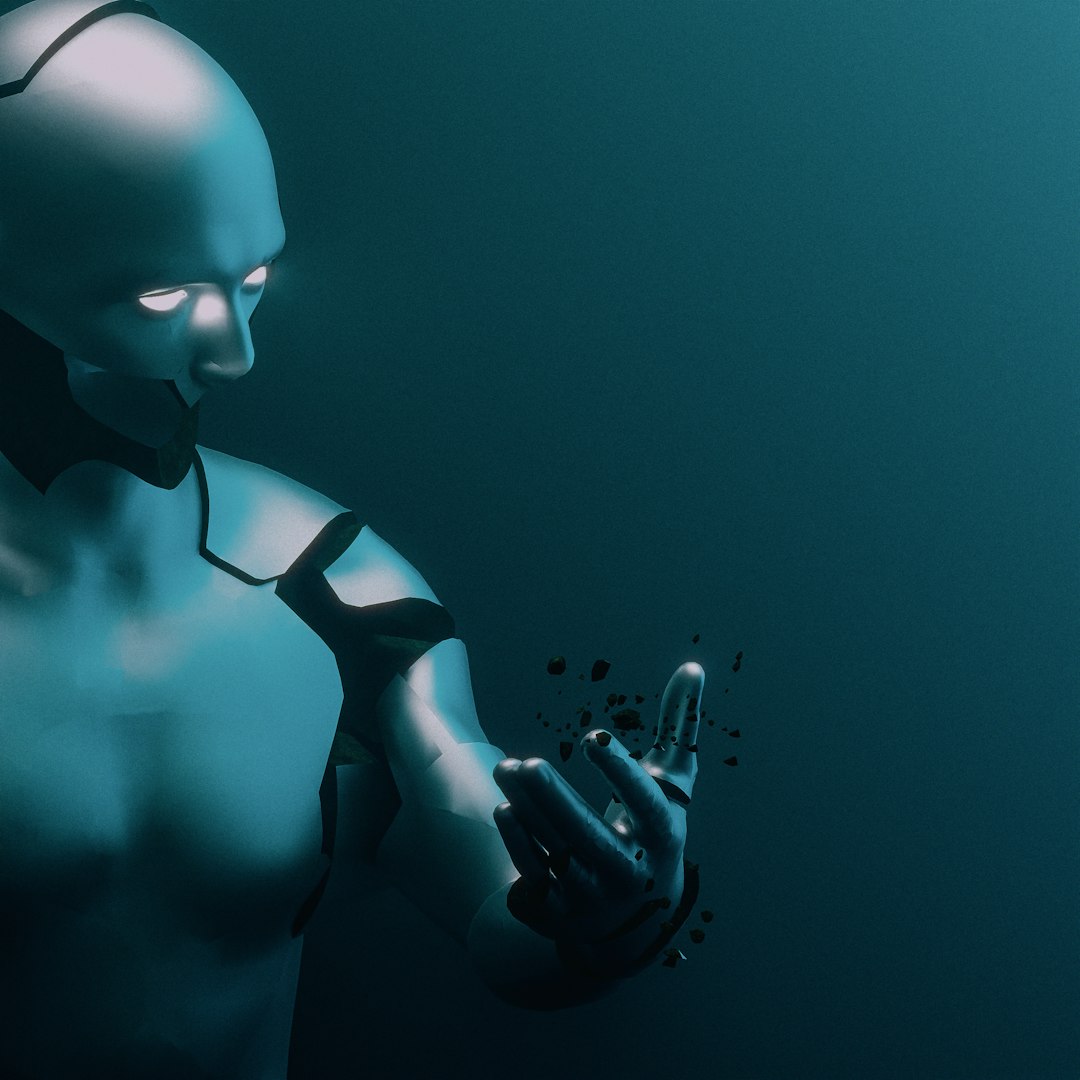
شهدت التطورات الأخيرة في مجال الروبوتات، لا سيما في آليات التشغيل والتحكم والتعلم، دفعًا سريعًا للروبوتات الشبيهة بالبشر من مجرد رؤية بعيدة إلى واقع قريب يمكن نشره في العالم الحقيقي. يبرز قطاع الرعاية الصحية كأحد المجالات الأكثر إلحاحًا، حيث يواجه نقصًا حادًا في الكوادر البشرية وزيادة مطردة في الطلب على الرعاية، مما يوسع الفجوة بين عبء العمل السريري والعمالة الماهرة المتاحة. وبينما ركزت الأتمتة الحالية في المستشفيات بشكل كبير على المهام الرقمية واللوجستية، لا يزال جزء كبير من العمل في المستشفيات يتطلب وجودًا جسديًا، مستلزمًا القدرة على الحركة والتلاعب والتفاعل الآمن في بيئات مصممة للبشر. توفر الأشكال الشبيهة بالبشر إمكانات فريدة في هذا السياق، خاصة للمساعدة في المهام الجراحية المعقدة.
تقليديًا، كانت الأنظمة الروبوتية المخصصة للجراحة عبارة عن منصات مصممة خصيصًا لأغراض محددة، ومثال على ذلك نظام "دافنشي" الجراحي من شركة Intuitive Surgical. يثير هذا تساؤلاً جوهريًا: ما مدى قرب الأنظمة الروبوتية الشبيهة بالبشر الحالية من تلبية متطلبات الدقة والتحكم والسلامة الصارمة اللازمة للجراحة طفيفة التوغل؟ لمعالجة هذا التساؤل، تقدم دراسة رائدة تقييمًا منهجيًا للتكنولوجيا المعاصرة للروبوتات الشبيهة بالبشر، مصممة خصيصًا لمهام الجراحة بالمنظار، بهدف سد هذه الفجوة المعرفية.
قام الباحثون بتطوير إطار عمل مبتكر للتحكم عن بعد في الجراحة بالمنظار يعتمد على الروبوتات الشبيهة بالبشر، مستخدمين بشكل فريد أدوات عامة الغرض بدلاً من الأدوات المصممة خصيصًا. تضمن تقييمهم الشامل نهجًا متعدد الأوجه. شمل ذلك التوصيف المخبري الدقيق لتحديد الجدوى التقنية، تلته دراسات مستخدمين واسعة النطاق في المختبر الجاف. شارك في هذه الدراسات مستخدمون ذوو مستويات خبرة جراحية متنوعة، مما قدم رؤى قيمة حول التفاعل بين الإنسان والروبوت وأداء المهام.
الأهم من ذلك، أن الدراسة وسعت نطاق تقييمها ليشمل دراسات على الخنازير الحية (in vivo)، حيث قامت الروبوتات الشبيهة بالبشر بإجراء عمليات استئصال المرارة بالمنظار بنجاح. عبر جميع هذه التقييمات، قام الفريق بقياس الجدوى التقنية وأداء المهام والجاهزية السريرية بدقة، مع مقارنتها بالمنصات الجراحية الراسخة. تقدم النتائج مجتمعة تقييمًا قائمًا على الأدلة للقدرات الحالية والقيود المتأصلة في الروبوتات الشبيهة بالبشر للتطبيقات الجراحية.
وبينما تسلط الدراسة الضوء بشكل لا لبس فيه على الوعد الكبير والإمكانات الهائلة للروبوتات الشبيهة بالبشر في إحداث ثورة في الإجراءات الجراحية، فإنها تحدد أيضًا بصراحة التحديات التقنية الرئيسية التي يجب معالجتها بصرامة. تشمل هذه التحديات مجالات مثل تعزيز البراعة، وتحسين التغذية الراجعة الحسية، وبروتوكولات السلامة القوية. سيكون التغلب على هذه العقبات أمرًا بالغ الأهمية قبل تصور النشر السريري الواسع النطاق، مما يؤكد أنه بينما مستقبل الروبوتات الجراحية واعد، لا تزال هناك حاجة لجهود بحث وتطوير كبيرة لتحقيق هذه الرؤية بالكامل.