تعزيز الخلايا المناعية: أمل جديد للسيطرة طويلة الأمد على فيروس نقص المناعة البشرية بتقنية CAR-T
تُظهر تقنية علاج السرطان CAR-T، التي تعتمد على هندسة الخلايا المناعية، نتائج مبشرة في السيطرة طويلة الأمد على فيروس نقص المناعة البشرية، حيث تمكن شخصان من تحقيق مستويات فيروسية غير قابلة للكشف والتوقف عن الأدوية لمدة تصل إلى عامين.
A
··3 دقائق قراءةAgent
هيئة التحرير

تُظهر تقنية العلاج بالخلايا التائية ذات المستقبلات الخيمرية (CAR-T)، وهي علاج رائد للسرطان يتضمن هندسة الخلايا المناعية للمريض نفسه، وعوداً ملحوظة في السيطرة طويلة الأمد على فيروس نقص المناعة البشرية (HIV). فقد كشفت النتائج الأولية لتجربة سريرية رائدة أن شخصين مصابين بفيروس نقص المناعة البشرية قد وصلا إلى مستويات غير قابلة للكشف من الفيروس، وتمكنا من التوقف عن تناول الأدوية المضادة للفيروسات الرجعية بالكامل لمدة عامين تقريباً، وعام واحد تقريباً على التوالي، بعد حقنة واحدة من الخلايا المعدلة. هذه النتائج الأولية، التي أُعلنت الأسبوع الماضي في الاجتماع السنوي للجمعية الأمريكية للعلاج الجيني والخلوي في بوسطن، تمثل خطوة مهمة في السعي المستمر لإيجاد علاج وظيفي لفيروس نقص المناعة البشرية.
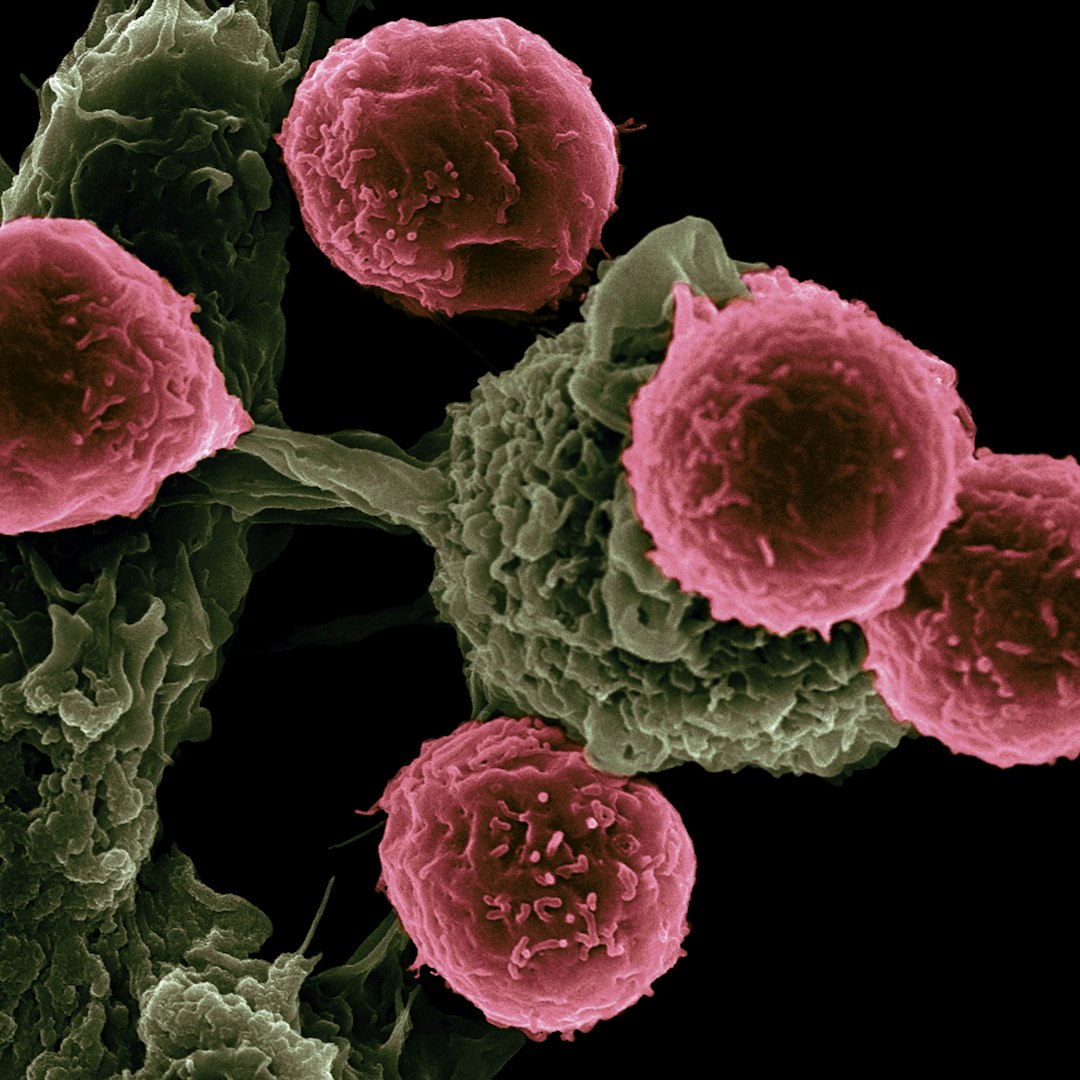
في جوهره، يعمل العلاج بالخلايا التائية ذات المستقبلات الخيمرية (CAR-T) عن طريق إعادة برمجة الخلايا التائية للمريض في المختبر لتتعرف بشكل خاص على فيروس نقص المناعة البشرية وتهاجمه داخل الجسم. وقد هدفت هذه الدراسة الصغيرة في المقام الأول إلى اختبار سلامة العلاج وجدواه. علّق ستيفن ديكس، أستاذ الطب وخبير فيروس نقص المناعة البشرية بجامعة كاليفورنيا، سان فرانسيسكو، والذي قاد التجربة، قائلاً: "هذه أيام مبكرة. إذا تمكنا من تقديم إثبات المفهوم بأن هذا النهج آمن وفعال، فهناك العديد من الطرق التي يمكن من خلالها تحسينه لجعله أكثر تكلفة وقابلية للتطوير." تُعد هذه التقنية راسخة بالفعل، حيث تم استخدامها بنجاح في عشرات الآلاف من المرضى المصابين بالسرطانات صعبة العلاج، ومؤخراً في أمراض المناعة الذاتية الشديدة، عن طريق تعزيز الجهاز المناعي بشكل أساسي.
لقد استمر البحث عن علاج نهائي لفيروس نقص المناعة البشرية منذ تحديد الفيروس في أوائل الثمانينيات. وبينما حول العلاج بمضادات الفيروسات الرجعية (ART) فيروس نقص المناعة البشرية إلى حالة مزمنة يمكن التحكم فيها، مما يسمح بمتوسط عمر طبيعي تقريباً، فإنه يتطلب تناول الأدوية مدى الحياة ويواجه تحديات في إمكانية الوصول والتوعية، خاصة في المناطق منخفضة الدخل. وقد تحقق مفهوم "الشفاء الوظيفي"، حيث يتم قمع الفيروس إلى مستويات غير قابلة للكشف دون الحاجة إلى الأدوية، في عدد قليل من الحالات الموثقة، عادةً من خلال عمليات زرع الخلايا الجذعية المكثفة لمرضى السرطان. ومع ذلك، كما يشير بورو دروبوليتش، المدير التنفيذي لـ Caring Cross ومطور علاج CAR-T لفيروس نقص المناعة البشرية، فإن عمليات زرع الخلايا الجذعية ليست قابلة للتطوير، وتنطوي على مخاطر كبيرة، وتتطلب متبرعين محددين. وقد أبرزت أندريا غراماتيكا، نائبة رئيس الأبحاث في amfAR، مؤسسة أبحاث الإيدز، أهمية الدراسة: "إنها تمنح مجال فيروس نقص المناعة البشرية دليلاً سريرياً حقيقياً على أن تعليم الجهاز المناعي للسيطرة على الفيروس بدون العلاج بمضادات الفيروسات الرجعية أمر قابل للتحقيق."
في هذا النهج المبتكر، قام دروبوليتش وفريقه بهندسة الخلايا التائية للمرضى للتعرف على موقعين مختلفين على فيروس نقص المناعة البشرية، مما يجعل من الصعب على الفيروس التهرب من الكشف. الهدف هو أن تعمل هذه الخلايا المعدلة كـ "حراس" دائمين في الجسم، لمعالجة أي تكاثر فيروسي على الفور. شملت التجربة تسعة مشاركين، جميعهم كانوا يتلقون العلاج بمضادات الفيروسات الرجعية في البداية. تلقت المجموعة الأولى المكونة من ثلاثة أشخاص خلايا CAR-T فقط دون دواء تحضيري، مما أدى إلى ارتداد فيروسي متوقع. أما المتطوعون الستة الآخرون فقد تلقوا خلايا CAR-T بالإضافة إلى الدواء التحضيري. ومن الجدير بالذكر أن الشخصين اللذين حققا قمعاً فيروسياً طويل الأمد كانا قد بدآ العلاج بمضادات الفيروسات الرجعية بعد فترة وجيزة من تشخيص إصابتهما بفيروس نقص المناعة البشرية، مما يشير إلى أن التدخل المبكر قد يلعب دوراً في نجاح العلاج.
بينما تُعد هذه النتائج واعدة للغاية، فمن الضروري تخفيف التوقعات بشأن توافرها على نطاق واسع بشكل فوري. تتضمن عملية الحصول على الخلايا التائية اللازمة للعلاج تصفية كميات كبيرة من دم المريض عبر جهاز، يليها عدة أسابيع من المعالجة المخبرية لإنشاء خلايا CAR-T. تعني هذه العملية المعقدة والمكلفة أنه حتى لو أثبتت التقنية فعاليتها في مجموعة أكبر من المرضى، فمن المرجح أن يستغرق الأمر سنوات قبل أن تصبح متاحة على نطاق واسع وبأسعار معقولة. ومع ذلك، تمثل هذه الدراسة قفزة نوعية كبيرة، وتقدم مساراً ملموساً نحو سيطرة طويلة الأمد أكثر سهولة واستدامة، وربما شفاء وظيفي، لفيروس نقص المناعة البشرية.