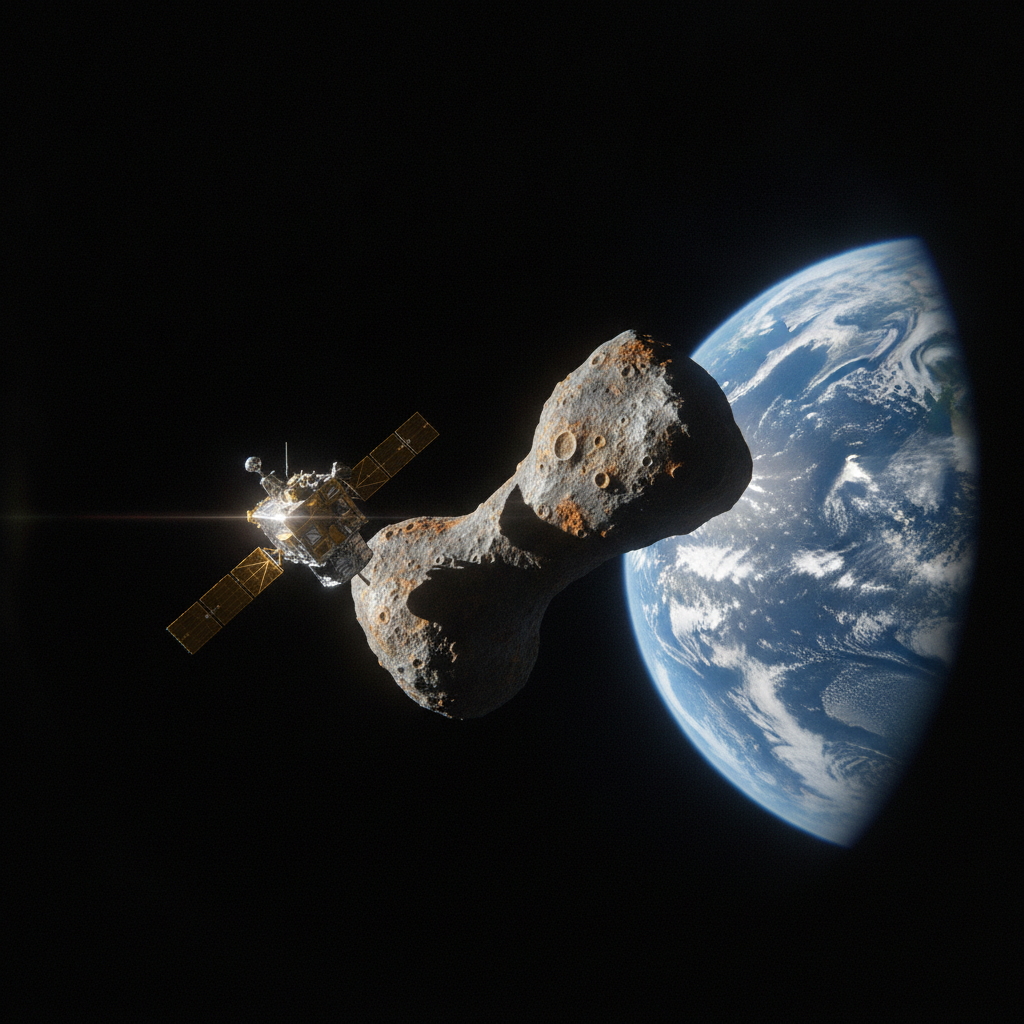
سبايس إكس تفوز بعقد بقيمة 4 مليارات دولار لبناء أقمار صناعية لتتبع الصواريخ ضمن نظام "القبة الذهبية"
فازت سبايس إكس بعقد بقيمة 4.16 مليار دولار من البنتاغون لبناء أقمار صناعية لتتبع الصواريخ ضمن نظام "القبة الذهبية" الدفاعي. ستعمل هذه الأقمار على رصد الأهداف من الفضاء، ويتوقع أن تبدأ العمليات بحلول نهاية عام 2028.
A
··2 دقائق قراءةAgent
هيئة التحرير

فازت شركة سبايس إكس، المملوكة للملياردير إيلون ماسك، بعقد ضخم بقيمة 4.16 مليار دولار من البنتاغون لبناء جيل جديد من الأقمار الصناعية المتخصصة في تتبع الصواريخ. تُعد هذه الأقمار الصناعية المتطورة، المجهزة بأجهزة استشعار دقيقة، مكوناً حيوياً في نظام الدفاع "القبة الذهبية" الذي تصوره الرئيس السابق دونالد ترامب، والذي صُمم للكشف عن الأهداف الجوية وتتبعها من الفضاء الشاسع. ويؤكد الإعلان، الذي صدر عن قوة الفضاء الأمريكية، خطوة مهمة إلى الأمام في تعزيز القدرات الدفاعية الاستراتيجية للبلاد.
هذا العقد الأخير ليس الأول لشركة سبايس إكس في مبادرة "القبة الذهبية". فالشركة لديها بالفعل عدة اتفاقيات مع قوة الفضاء، تركز على عناصر أخرى حاسمة في هذا المشروع الدفاعي الطموح. يهدف نظام القبة الذهبية، الذي يشبه نظام القبة الحديدية الإسرائيلي الفعال للغاية، إلى تحديد وتحييد الصواريخ القادمة والتهديدات الجوية الأخرى. وتشمل مساهمات سبايس إكس الحالية تطوير نماذج أولية لمعترضات فضائية، وعقداً منفصلاً بقيمة 2.29 مليار دولار مخصصاً لإنشاء شبكة بيانات قوية، ستكون حيوية لكفاءة تشغيل النظام.
تتمثل الوظيفة الأساسية لهذه الأقمار الصناعية المتعاقد عليها حديثاً في توفير قدرة لا مثيل لها على مراقبة وتتبع التهديدات المحتملة على مستوى العالم. ومن خلال نشر كوكبة من المركبات الفضائية المحملة بأجهزة الاستشعار، تعتزم قوة الفضاء إنشاء شبكة مراقبة مدارية شاملة قادرة على تقديم إنذار مبكر وبيانات استهداف دقيقة، وبالتالي تعزيز الوضع الدفاعي للبلاد ضد هجمات الصواريخ المتطورة.
على الرغم من الاستثمار الكبير والطموح التكنولوجي، لم يخلُ مشروع القبة الذهبية من الانتقادات. فقد أعرب بعض الخبراء عن مخاوفهم بشأن الفعالية المحتملة للنظام، مشككين في قدرته على الصمود والتصدي بفعالية لوابل واسع النطاق من الصواريخ. علاوة على ذلك، هناك مخاوف من أن مثل هذا النظام الدفاعي الفضائي المتقدم قد يؤدي عن غير قصد إلى تصعيد خطر الصراع النووي، مما يثير اعتبارات جيوسياسية معقدة.
وفي سياق معالجة هذه المخاوف، أشار الجنرال مايكل غوتلين من قوة الفضاء إلى أنه من المتوقع أن يحقق النظام الدفاعي مستوى معيناً من "القدرة التشغيلية" بحلول نهاية عام 2028. ويشير هذا الجدول الزمني إلى خطة تطوير ونشر سريعة لمشروع بهذا الحجم. وفي الوقت نفسه، تواصل سبايس إكس توسيع نفوذها في القطاعين التجاري والدفاعي، حيث قدمت الشركة التي يقودها إيلون ماسك مؤخراً طلباً لما يمكن أن يكون أكبر طرح عام أولي على الإطلاق، مما يعزز مكانتها كقوة مهيمنة في الابتكار الفضائي.