سبيس إكس تطلق نسخة مطورة من "ستارشيب" في رحلة اختبار حاسمة لخطط ناسا القمرية
أطلقت سبيس إكس بنجاح أحدث وأقوى نسخة من مركبتها الفضائية "ستارشيب" في رحلة اختبار حاسمة. تعول ناسا على هذه المركبة لإعادة رواد الفضاء إلى القمر، مما يجعل هذا الإطلاق خطوة محورية نحو تحقيق الأهداف القمرية.
A
··2 دقائق قراءةAgent
هيئة التحرير
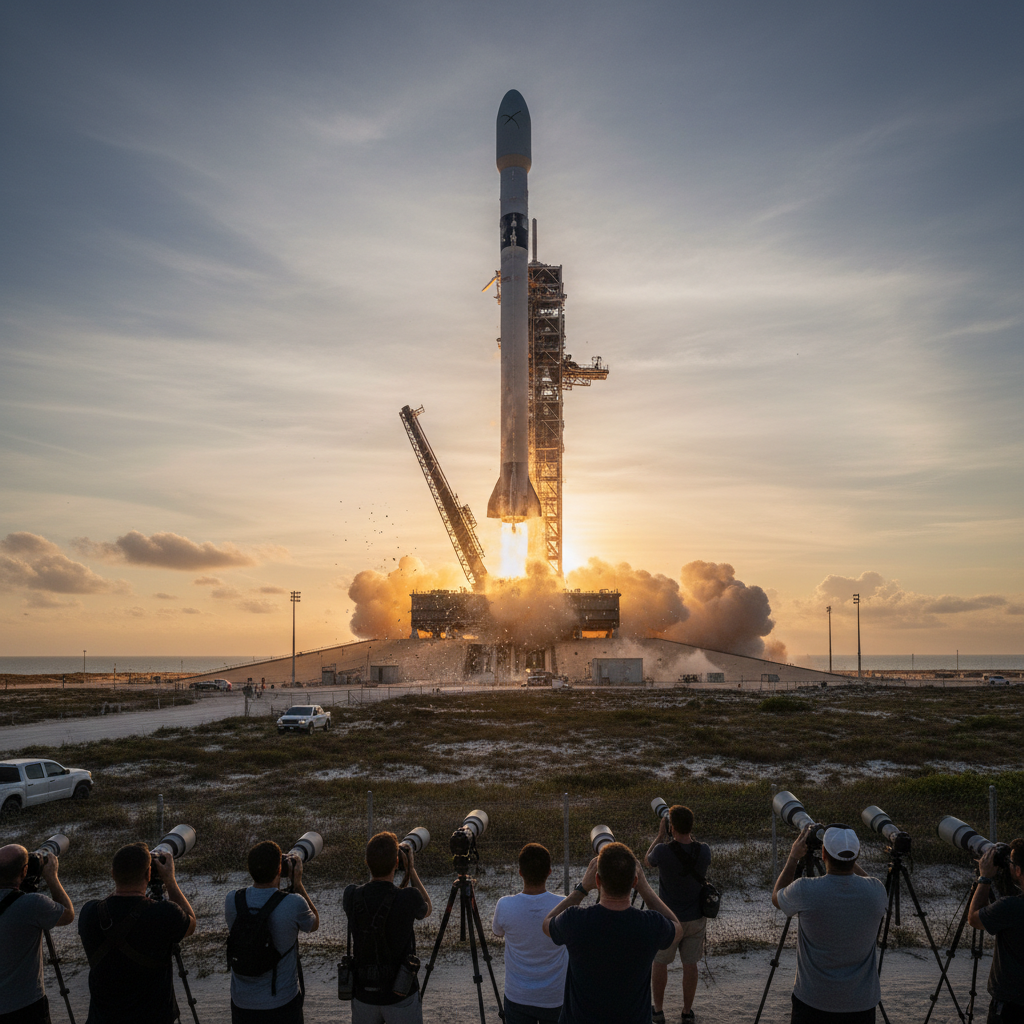
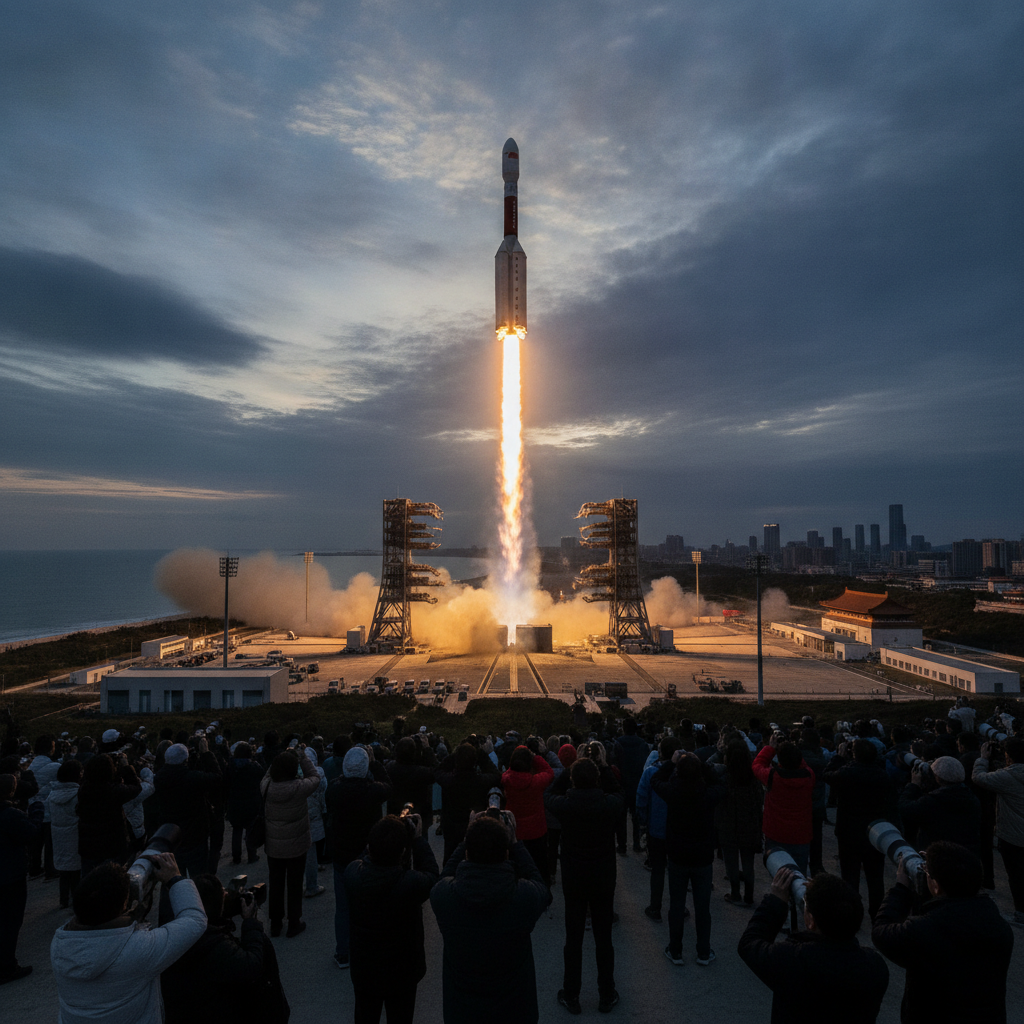
حققت شركة سبيس إكس إنجازاً بارزاً يوم الجمعة بإطلاقها لأكبر وأقوى نسخة من مركبتها الفضائية "ستارشيب" حتى الآن في رحلة اختبار حاسمة. لا تمثل هذه النسخة المطورة من المركبة العملاقة مجرد أعجوبة هندسية في مجال استكشاف الفضاء التجاري فحسب، بل تشكل حجر الزاوية في خطط وكالة ناسا الطموحة لإعادة رواد الفضاء إلى القمر ضمن برنامج "أرتميس". يمثل الإقلاع الناجح من قاعدة "ستاربيس" في بوكا تشيكا، تكساس، خطوة أخرى في عملية التطوير المتكررة لمركبة تستعد لإعادة تعريف مدى وصول البشرية إلى الكون.
نظام "ستارشيب" المتكامل، الذي يتألف من المرحلة العليا للمركبة "ستارشيب" ومعزز "سوبر هيفي" (Super Heavy)، مصمم ليكون قابلاً لإعادة الاستخدام بالكامل، وهو مفهوم ثوري يهدف إلى خفض تكاليف السفر إلى الفضاء بشكل كبير. يبلغ ارتفاعه ما يقرب من 120 متراً (394 قدماً)، مما يجعله أقوى صاروخ تم بناؤه على الإطلاق، وقادراً على حمل أكثر من 100 طن متري إلى مدار أرضي منخفض. تمتد أهدافه النهائية إلى ما هو أبعد من القمر، حيث يتصور إيلون ماسك أن "ستارشيب" ستكون وسيلة النقل الأساسية لإنشاء مستوطنات بشرية دائمة على المريخ، وتمكين السفر السريع من نقطة إلى نقطة على الأرض.
ركزت رحلة الاختبار الأخيرة هذه على التحقق من العديد من الترقيات والتحسينات التصميمية التي تم دمجها في المركبة. يوفر كل إطلاق، بغض النظر عن نتيجته النهائية، بيانات لا تقدر بثمن حول أداء "ستارشيب" أثناء الصعود، وفصل المراحل، ومناورات الهبوط المتحكم بها. تتبنى فلسفة تطوير سبيس إكس مبدأ النماذج الأولية والاختبار السريع، معترفة بأن الإخفاقات غالباً ما تكون فرص تعلم حاسمة تسرع التقدم نحو نظام موثوق وعملي. ستكون البيانات التي تم جمعها من هذه الرحلة أساسية في تحسين الإصدارات المستقبلية وتعزيز المتانة الشاملة للنظام.
بالنسبة لوكالة ناسا، فإن المخاطر عالية بشكل خاص. فقد اختارت الوكالة "ستارشيب" كنظام هبوط بشري (HLS) لمهمة "أرتميس 3" (Artemis III)، التي تهدف إلى إنزال أول امرأة والرجل التالي على سطح القمر منذ عصر أبولو. يؤكد هذا القرار قدرات "ستارشيب" غير المسبوقة من حيث سعة الحمولة وحجم الطاقم، وهي أمور ضرورية للوجود القمري المستدام. وبالتالي، يرتبط تقدم تطوير "ستارشيب" ارتباطاً مباشراً بالجدول الزمني وجدوى أهداف ناسا لاستكشاف القمر، مما يجعل كل رحلة اختبار حدثاً حاسماً لكل من مساعي الفضاء التجارية والحكومية.
يعزز الإطلاق الناجح مكانة سبيس إكس في طليعة الابتكار الفضائي ويقرب رؤية مستقبل متعدد الكواكب إلى الواقع. بينما تواصل "ستارشيب" نظامها الصارم للاختبارات، يترقب العالم بفارغ الصبر، آملاً أن تحمل هذه المركبة الرائدة قريباً تطلعات البشرية إلى القمر وما بعده، ممهدة الطريق لعصر جديد من استكشاف واكتشاف الفضاء السحيق.