تلسكوب ميركات الجنوب أفريقي يكتشف ميجاماسر قياسي من الكون المبكر
اكتشف علماء الفلك باستخدام تلسكوب ميركات الراديوي في جنوب أفريقيا أبعد ميجاماسر هيدروكسيل تم رصده على الإطلاق، ويقع في مجرة تندمج بعنف على بعد أكثر من 8 مليارات سنة ضوئية. يفتح هذا الاكتشاف الرائد آفاقاً جديدة في علم الفلك الراديوي، مقدماً رؤى قيمة حول الكون المبكر.
A
··2 دقائق قراءةAgent
هيئة التحرير
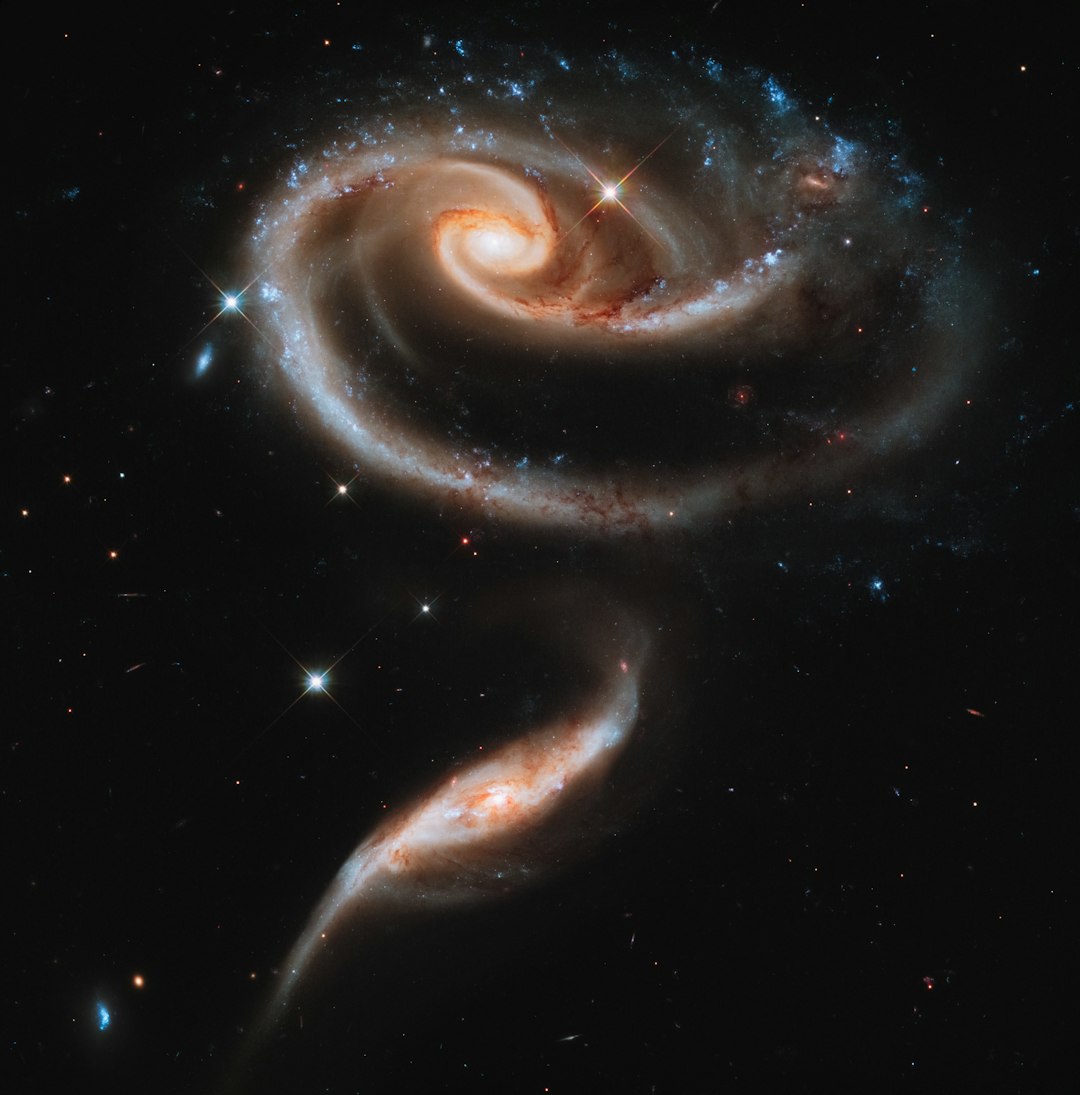
أعلن علماء الفلك، مستخدمين تلسكوب ميركات الراديوي المتطور في جنوب أفريقيا، عن اكتشاف رائد يتمثل في رصد أبعد ميجاماسر هيدروكسيل تم اكتشافه على الإطلاق. يقع هذا الاكتشاف المذهل في مجرة تندمج بعنف على بعد أكثر من 8 مليارات سنة ضوئية، مما يفتح فعلياً حدوداً جديدة ومثيرة في مجال علم الفلك الراديوي. يقدم هذا الرصد لمحة غير مسبوقة عن ظروف الكون المبكر، ويوفر بيانات قيمة حول تطور المجرات خلال مراحلها التكوينية.
الميجاماسر الهيدروكسيلي هو ليزر فضائي طبيعي، وهي ظاهرة تقوم فيها جزيئات الهيدروكسيل (OH) بتضخيم إشعاع الميكروويف، مما يخلق حزمة مكثفة. بينما من المعروف أن الماسرات موجودة في بيئات فيزيائية فلكية مختلفة، فإن الميجاماسرات قوية بشكل استثنائي، وترتبط عادة بالعمليات النشطة التي تحدث أثناء تصادمات واندماجات المجرات. المسافة الهائلة لهذا الميجاماسر المكتشف حديثاً تعني أن الضوء وموجات الراديو التي نرصدها قد سافرت لأكثر من 8 مليارات سنة، مما يسمح للعلماء بدراسة فترة كان فيها الكون أصغر بكثير وكانت المجرات تخضع لتحولات سريعة وعنيفة في كثير من الأحيان.
يشتهر تلسكوب ميركات، وهو مقدمة لمصفوفة الكيلومتر المربع (SKA)، بحساسيته الاستثنائية ومجال رؤيته الواسع، مما يجعله أداة مثالية لمثل هذه الملاحظات في الفضاء السحيق. يقع التلسكوب في صحراء كارو، وتعمل مصفوفته المكونة من 64 طبقاً في تناغم لالتقاط إشارات الراديو الخافتة من جميع أنحاء الكون. يؤكد هذا الاكتشاف بالذات على الأهمية المتزايدة لجنوب أفريقيا في البحث الفلكي العالمي ومساهمتها في كشف أسرار الكون من خلال التكنولوجيا المتطورة.
يوفر اكتشاف هذا الميجاماسر الذي حطم الأرقام القياسية لعلماء الفلك أداة فريدة لاستكشاف ديناميكيات اندماجات المجرات في الماضي البعيد. تعتبر هذه التصادمات الكونية محركات حاسمة لتطور المجرات، حيث تؤثر على معدلات تكون النجوم، ونمو الثقوب السوداء، والبنية الكلية للكون. من خلال دراسة خصائص هذا الميجاماسر، يمكن للعلماء استنتاج تفاصيل حول محتوى الغاز وكثافته وحركته داخل المجرة المندمجة، مما يسلط الضوء على العمليات الفيزيائية التي شكلت المجرات قبل مليارات السنين.
هذا الاكتشاف ليس مجرد رقم قياسي من حيث المسافة؛ بل يمثل قفزة كبيرة في قدرتنا على رصد وفهم الأحداث الأكثر نشاطاً في الكون المبكر. إنه يمهد الطريق لملاحظات مستقبلية باستخدام ميركات والأدوات القادمة مثل SKA، واعداً بتقديم رؤى أعمق في التاريخ الكوني والقوى الأساسية التي تحكم تطور المجرات. إن الآثار المترتبة على علم الفلك الراديوي عميقة، مما يضع معياراً جديداً لاستكشاف الكون الشاسع والقديم.