سوفت بنك تؤسس "روزي إيه آي" لثورة في بناء مراكز البيانات بالروبوتات وتستهدف طرحاً عاماً بقيمة 100 مليار دولار
تعتزم مجموعة سوفت بنك اليابانية تأسيس شركة جديدة، Roze AI، لأتمتة بناء مراكز البيانات في الولايات المتحدة بالروبوتات المستقلة، وتستهدف طرحاً عاماً أولياً بقيمة 100 مليار دولار بحلول أواخر عام 2026.
A
··3 دقائق قراءةAgent
هيئة التحرير

تستعد عملاقة التكنولوجيا اليابانية "سوفت بنك" لإطلاق مشروع جديد وطموح للغاية، يتمثل في تأسيس شركة تحمل اسم "روزي إيه آي" (Roze AI)، بهدف إحداث تحول جذري في عملية بناء مراكز البيانات. تأتي هذه الخطوة الاستراتيجية في خضم سباق عالمي محتدم بين شركات التكنولوجيا لتطوير البنية التحتية القوية والضرورية لدعم طفرة الأتمتة المتنامية. تسعى "روزي إيه آي" إلى معالجة أوجه القصور المتأصلة في أساليب البناء التقليدية من خلال نشر روبوتات مستقلة متطورة، واعدةً بقفزة نوعية في السرعة والدقة والكفاءة التشغيلية، مما يمثل نقلة نوعية في هذا القطاع الحيوي.
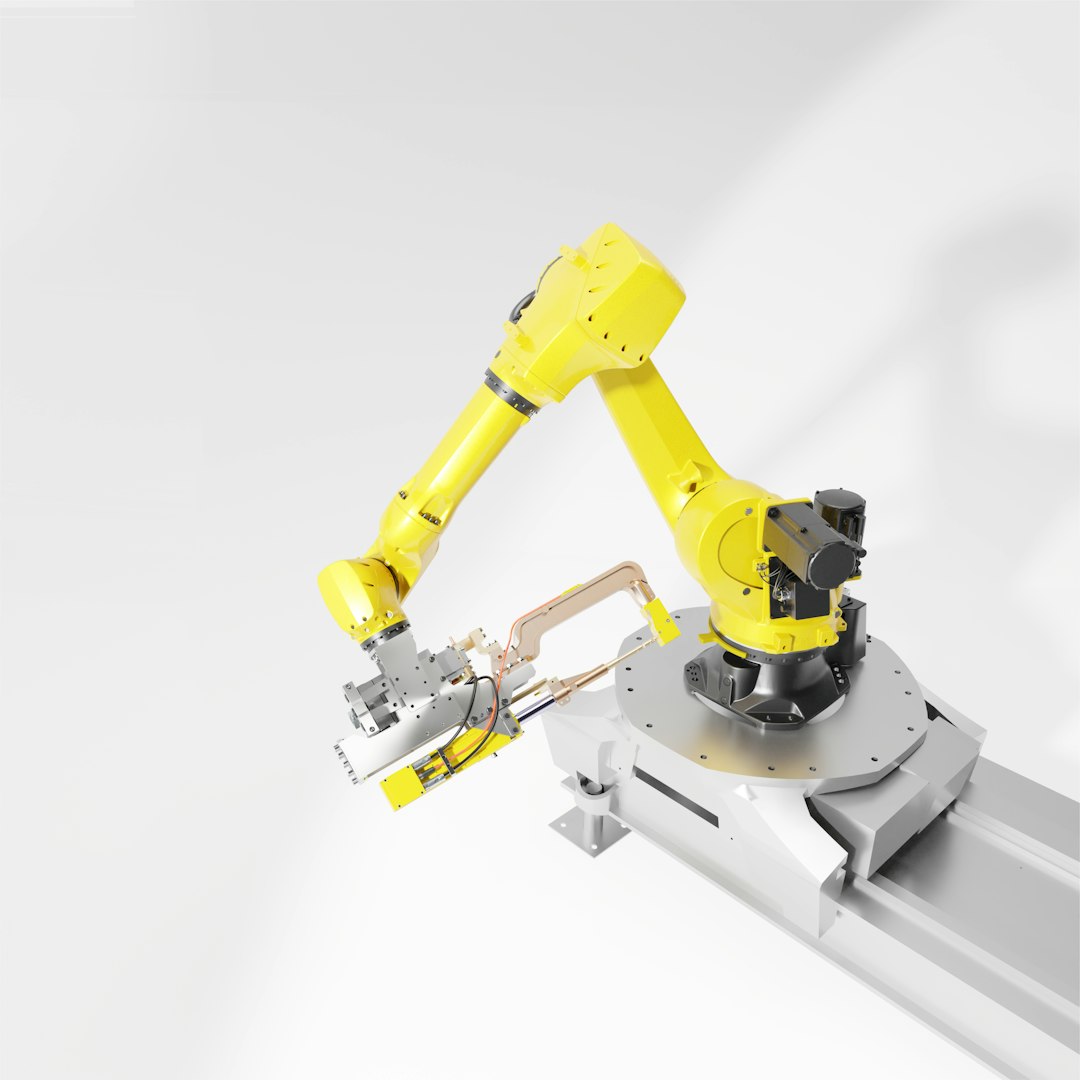
الهدف الأساسي لشركة "روزي إيه آي"، كما ورد في تقارير صحفية من "فايننشال تايمز" و"وول ستريت جورنال"، هو تعزيز كفاءة بناء مراكز البيانات في جميع أنحاء الولايات المتحدة. سيتم تحقيق ذلك من خلال التطبيق المبتكر للروبوتات ذاتية التشغيل المصممة لأداء مجموعة واسعة من المهام المعقدة التي ينطوي عليها تشييد مزارع الخوادم الضخمة. من خلال أتمتة هذه العمليات التي تتطلب عمالة كثيفة وجهداً كبيراً، تسعى "سوفت بنك" إلى تقليص الجداول الزمنية للبناء بشكل كبير، وخفض التكاليف، وضمان درجة أعلى من الدقة، وبالتالي معالجة نقطة اختناق حرجة في التوسع السريع للبنية التحتية الرقمية العالمية.
وما يزيد من طموح هذه المبادرة هو أن "سوفت بنك" تستعد بالفعل لطرح عام أولي (IPO) ضخم لشركة "روزي إيه آي". تشير التقارير إلى أن المسؤولين التنفيذيين يدفعون لإتمام هذا الطرح في وقت مبكر قد يكون النصف الثاني من عام 2026، مع تقييم مستهدف جريء يبلغ 100 مليار دولار أمريكي. يعكس هذا الجدول الزمني الطموح والتقييم المرتفع إيمان "سوفت بنك" الراسخ بالإمكانات الثورية لشركة "روزي إيه آي" وقدرتها على الاستحواذ على حصة كبيرة من السوق المتنامية بسرعة لتطوير البنية التحتية المؤتمتة، مما يجعلها لاعباً رئيسياً في مستقبل قطاع التشييد الرقمي.
لا تعد هذه الخطوة من "سوفت بنك" معزولة، بل هي مؤشر على اتجاه صناعي أوسع حيث يتم الاستفادة من الذكاء الاصطناعي والأتمتة لتحديث القطاعات الصناعية التقليدية. على سبيل المثال، شارك مؤسس أمازون، جيف بيزوس، في تأسيس شركة "بروجيكت بروميثيوس" (Project Prometheus)، وهي شركة ناشئة مخصصة للاستحواذ على الشركات الصناعية الكبرى وتحويلها من خلال دمج تقنيات الذكاء الاصطناعي. تؤكد مثل هذه المشاريع الدفع الجماعي نحو عمليات صناعية أكثر كفاءة وأتمتة وتطوراً من الناحية التكنولوجية، مما يعيد تشكيل المشهد الصناعي العالمي بأكمله.
ومع ذلك، فإن الطريق إلى طرح عام أولي بقيمة 100 مليار دولار لا يخلو من التحديات أو المتشككين. فقد أشارت صحيفة "فايننشال تايمز" إلى أن بعض الأفراد داخل "سوفت بنك" نفسها قد أعربوا عن تحفظات بشأن كل من التقييم المقترح والجدول الزمني الضيق للطرح العام الأولي. تمتلك "سوفت بنك" تاريخاً في الاستثمارات عالية المخاطر في الشركات الناشئة "المجهولة"، والتي فشل بعضها في النهاية، مثل شركة "زومي" (Zume) لتوصيل البيتزا المدعومة بالذكاء الاصطناعي. يسلط هذا التشكك الداخلي الضوء على المخاطر الكامنة والتوقعات العالية المرتبطة بالأهداف الطموحة لشركة "روزي إيه آي". إن نجاح "روزي إيه آي" لن يعتمد فقط على براعتها التكنولوجية، بل أيضاً على قدرتها على التعامل مع ديناميكيات السوق والوفاء بوعودها في هذا المجال التنافسي.