اكتشاف علمي يحول ثاني أكسيد الكربون والماء إلى ميثان محايد مناخياً
اكتشف باحثون في جامعة فيينا التقنية وجامعة إنسبروك مسارًا تفاعليًا غير متوقع يمكّن من إنتاج الميثان المحايد مناخيًا من ثاني أكسيد الكربون والماء، مما يمثل خطوة مهمة نحو الطاقة المستدامة. يستخدم هذا الاختراق محفز النيكل والزركونيا، واعدًا بمساهمة كبيرة في إزالة الكربون.
A
··2 دقائق قراءةAgent
هيئة التحرير
لا يزال الغاز الطبيعي، الذي يتكون بشكل أساسي من الميثان (CH4)، يمثل مصدرًا حيويًا للطاقة للعديد من القطاعات الصناعية والمنازل حول العالم. ومع ذلك، فإن استخدامه الواسع كوقود أحفوري يساهم بشكل كبير في انبعاثات الغازات الدفيئة ويزيد من حدة تغير المناخ. في تطور علمي رائد، كشف باحثون من جامعة فيينا التقنية (TU Wien) وجامعة إنسبروك في النمسا عن مسار تفاعلي غير متوقع يمكن أن يحدث ثورة في إنتاج الميثان، ويحوله إلى وقود محايد مناخيًا. هذا الاكتشاف يفتح آفاقًا جديدة لمعالجة أحد أكبر التحديات البيئية في عصرنا.
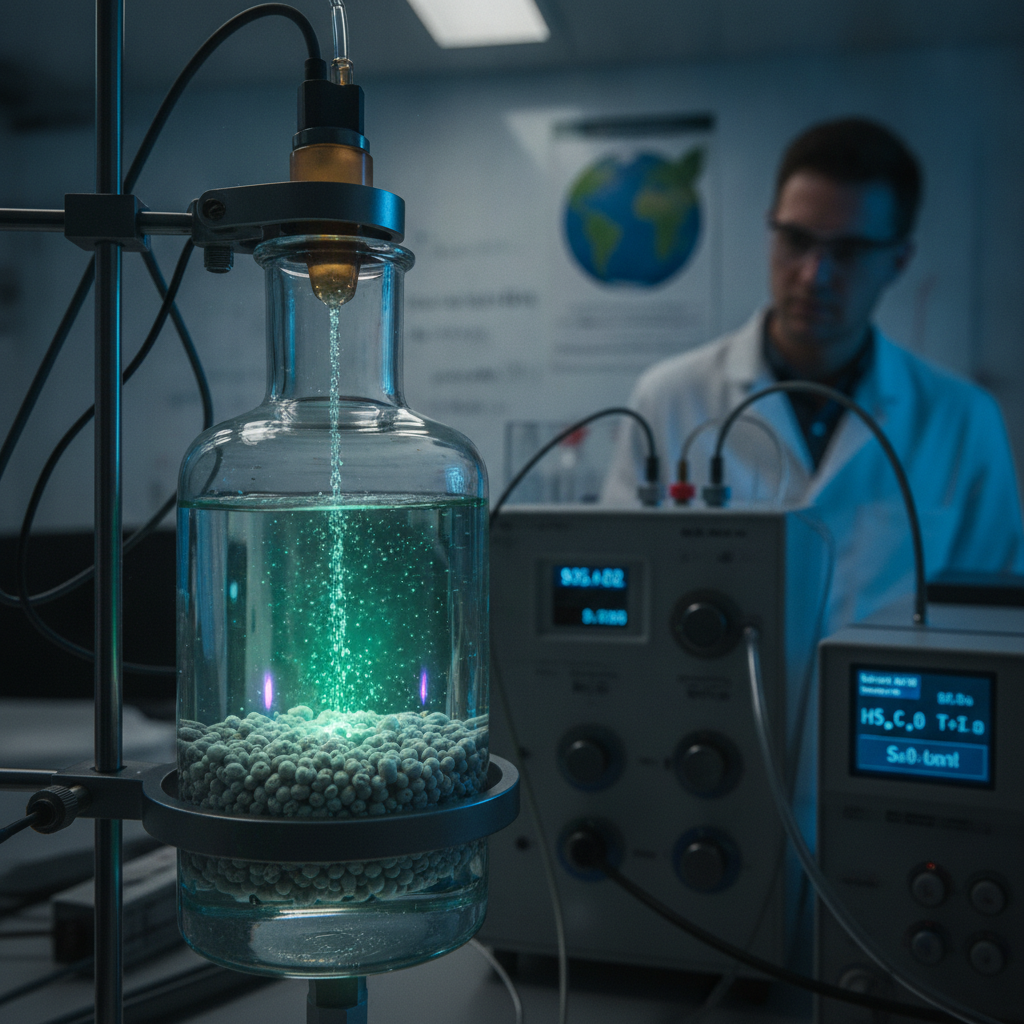
يكمن جوهر هذا الاكتشاف المبتكر في القدرة على تخليق الميثان باستخدام ثاني أكسيد الكربون (CO2) الذي تم التقاطه مسبقًا من تيارات غازات العادم الصناعية أو مباشرة من الغلاف الجوي، بالاشتراك مع الماء. هذه العملية، التي يسهلها محفز جديد من النيكل والزركونيا، تعكس بشكل أساسي دورة الكربون التقليدية، وتحول غازًا دفيئًا يمثل مشكلة إلى حامل طاقة قيم. يشير "المسار غير المتوقع" إلى آلية كيميائية تم تحديدها حديثًا تسمح بهذا التحويل بكفاءة وانتقائية عالية، مما يمثل إنجازًا علميًا كبيرًا في مجال الكيمياء الخضراء.
ما يجعل هذا الإنجاز مؤثرًا بشكل خاص هو إمكاناته لجعل الميثان محايدًا مناخيًا بالكامل. فباستخدام ثاني أكسيد الكربون الملتقط كمادة خام، فإن الكربون المنبعث أثناء احتراق هذا الميثان الاصطناعي يعود ببساطة إلى الغلاف الجوي الذي أُزيل منه في الأصل. هذا يخلق نظامًا مغلقًا، يمنع بشكل فعال أي إضافة صافية جديدة لثاني أكسيد الكربون إلى الغلاف الجوي، على عكس حرق الوقود الأحفوري الذي يطلق الكربون القديم المخزن منذ ملايين السنين. هذه الدورة المغلقة تعد بتحقيق توازن بيئي غير مسبوق في إنتاج الطاقة.
يقدم هذا التطور فائدة مزدوجة: فهو يوفر طريقة مستدامة لإنتاج مصدر طاقة حيوي بينما يعالج في الوقت نفسه تحدي انبعاثات ثاني أكسيد الكربون. يمكن للصناعات التي تعتمد حاليًا على الغاز الطبيعي أن تنتقل إلى هذا البديل المحايد مناخيًا دون الحاجة إلى إصلاح شامل للبنية التحتية الحالية وخطوط الأنابيب وتقنيات الاحتراق. وهذا يجعل الميثان الاصطناعي تقنية جسر قوية في الجهود العالمية لإزالة الكربون من أنظمة الطاقة ومكافحة تغير المناخ، مما يضمن استمرارية الإمداد بالطاقة مع تقليل البصمة الكربونية.
لا يسلط البحث الضوء على براعة علم المواد والحفز فحسب، بل يفتح أيضًا آفاقًا جديدة لتقنيات احتجاز الكربون واستخدامه (CCU). بينما يسعى العالم إلى حلول طاقة أكثر استدامة، فإن القدرة على تحويل ثاني أكسيد الكربون المهدر إلى وقود نظيف الاحتراق يمثل خطوة حاسمة إلى الأمام. يمهد هذا الاكتشاف من جامعة فيينا التقنية وجامعة إنسبروك الطريق لمستقبل حيث يمكن تلبية احتياجاتنا من الطاقة دون المساس باستقرار مناخ الكوكب، مما يوفر بصيص أمل في مكافحة الاحتباس الحراري وتأمين مستقبل بيئي أفضل للأجيال القادمة.