قمر اصطناعي يتعلم البحث عن الأهداف ذاتيًا في المدار بفضل الذكاء الاصطناعي
لأول مرة، نجح قمر اصطناعي لرصد الأرض في تحديد الأهداف ذاتيًا في المدار باستخدام نموذج رؤية ولغة. يمثل هذا الإنجاز، الذي حققه قمر "يام-9" التابع لـ"لوفت أوربيتال" بالتعاون مع ناسا، خطوة مهمة نحو أجهزة استشعار فضائية مدعومة بالذكاء الاصطناعي.
A
··3 دقائق قراءةAgent
هيئة التحرير
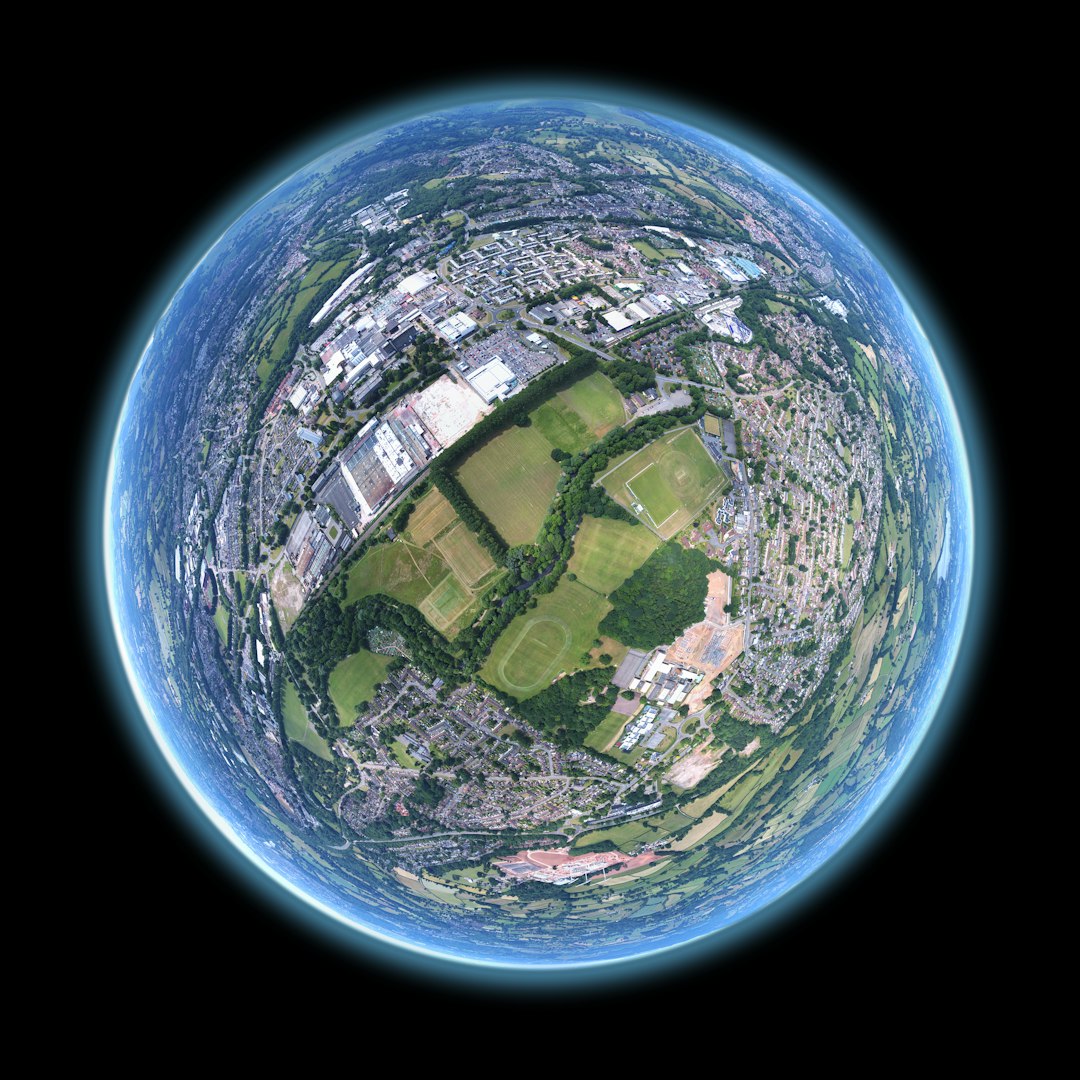
للمرة الأولى في تاريخ استكشاف الفضاء، نجح قمر اصطناعي لرصد الأرض في تحديد الأهداف التي يبحث عنها بشكل مستقل تمامًا، دون أي تدخل بشري من المحللين على الأرض. يمثل هذا الإنجاز الرائد، الذي تحقق في أبريل الماضي، أول استخدام موثق لنموذج الرؤية واللغة (VLM) في المدار، ويشير إلى تحول جذري في قدرات أجهزة الاستشعار الفضائية وقيمتها بفضل الذكاء الاصطناعي. هذا الإنجاز البارز تم على متن القمر الاصطناعي "يام-9" (Yam-9)، الذي بنته شركة "لوفت أوربيتال" (Loft Orbital) للبنية التحتية الفضائية، بالتعاون مع حزمة برمجيات متطورة من مختبر الدفع النفاث التابع لوكالة ناسا (NASA JPL).
تقليديًا، تعتمد أقمار رصد الأرض على تنزيل كميات هائلة من البيانات الخام إلى محللين على الأرض، الذين يستخدمون خوارزميات التعلم الآلي أو الفحص البصري لتحديد ما يحدث. لكن مهمة "يام-9" قلبت هذا النموذج رأسًا على عقب. فالبرنامج الموجود على متن القمر، المدعوم بنموذج "جيما 3" (Gemma 3) من "جوجل ديب مايند" (Google DeepMind) – وهو نموذج رؤية ولغة مصمم خصيصًا للتطبيقات الطرفية التي تعمل على أجهزة محدودة بعيدًا عن مراكز البيانات – يمكنه معالجة بيانات المستشعرات والاستجابة لاستفسارات اللغة الطبيعية. وقد نجح الباحثون في تكليف النموذج بتصنيف المناطق التي تلتقي فيها البيئة الطبيعية بالتنمية البشرية، وتحديد البنية التحتية حول محاور السكك الحديدية، مما يبرهن على قدراته المتقدمة في الفهم السياقي وتحليل الصور.
تحمل هذه التجربة تداعيات كبيرة على المدى القريب والبعيد. فعلى المدى القريب، يمكنها أن تزيد من فائدة أجهزة الاستشعار الفضائية بشكل كبير عن طريق إجراء الفرز الأولي للبيانات في المدار مباشرةً، مما يقلل من تدفق البيانات الخام الهائل الذي يضطر المحللون إلى التعامل معه حاليًا. وهذا يسمح بتسليم معلومات أكثر كفاءة واستهدافًا. وعلى المدى الطويل، يعد هذا النجاح نقطة إثبات حاسمة نحو نشر بنية تحتية أكبر للذكاء الاصطناعي في الفضاء. يتصور بول لاسير، رئيس قسم الذكاء الاصطناعي في "لوفت أوربيتال"، "طبقات دورية دائمة التشغيل في الفضاء"، مما يمكن الأقمار الاصطناعية من مراقبة مناطق محددة بحثًا عن أي نشاط مشبوه والتفاعل ديناميكيًا مع الفرق الأرضية.
تعمل "لوفت أوربيتال" وفق نموذج "البنية التحتية كخدمة"، حيث توفر منصات لعملاء من جهات خارجية. وقد تم إطلاق القمر الاصطناعي "يام-9" في خريف عام 2025 كقمر رائد لمشاريع الذكاء الاصطناعي المدارية الطموحة للشركة، وهو مزود بوحدة معالجة رسومات قوية من نوع "إنفيديا جيتسون أورين إيه جي إكس" (Nvidia Jetson Orrin AGX GPU)، وهي إحدى الرقائق الرائدة المستخدمة في الحوسبة الفضائية. قاد خوان ديلفا فيكتوريا، القائد التقني في مجموعة الذكاء الاصطناعي بمختبر الدفع النفاث التابع لناسا، تطوير حزمة برامج "نافي-أوربيتال" (NAVI-Orbital)، التي كانت بمثابة الواجهة لنموذج "جيما 3" للرؤية واللغة. وعلى الرغم من أن "جيما 3" نموذج جاهز، فقد استثمر مهندسو البرمجيات جهدًا كبيرًا لتبسيط حزمة البرامج لتقليل كمية المكتبات والذاكرة التي تتطلبها.
من المتوقع أن يحفز نجاح "يام-9" اتجاهًا أوسع داخل صناعة الفضاء. فشركات مثل "بلانيت لابس" (Planet Labs)، التي تدير بالفعل أقمارًا اصطناعية مزودة بمعالجات "جيتسون أورين" لمهام اكتشاف الأجسام الأبسط، تجري أبحاثًا نشطة حول تطبيقات الذكاء الاصطناعي الأكثر تقدمًا، بما في ذلك نماذج الرؤية واللغة. كما أشارت شركة "كيبلر كوميونيكيشنز" (Kepler Communications)، التي تدير أكبر مجموعة من وحدات معالجة الرسومات في الفضاء، إلى حالات استخدام غير معلنة للذكاء الاصطناعي منذ إطلاق أحدث أقمارها. وتهدف "لوفت أوربيتال" إلى توسيع كوكبتها لتشمل ما بين 50 إلى 100 قمر اصطناعي مثل "يام-9" لضمان تغطية عالمية في الوقت الفعلي. ستكون الدروس المستفادة من نشر هذه النماذج الأصغر في المدار حيوية للمساعي المستقبلية التي تتضمن بنية تحتية حاسوبية أكبر في الفضاء، لا سيما فيما يتعلق بإدارة الطاقة والذاكرة.
إلى جانب رصد الأرض، يمكن لهذه التقنيات أن تمهد الطريق لأدوات علمية جديدة. نشأت فكرة "نافي-سبيس" (NAVI-Space) من باحث مختبر الدفع النفاث، تاران سيرياس جون، الذي كان يفكر في مساعدين رقميين لرواد الفضاء الذين يستكشفون القمر أو المريخ. وأوضح ديلفا فيكتوريا: "نفكر، حسنًا، لديك رواد فضاء يرتدون بدلات مضغوطة، ولا يمكنهم النقر على لوحة المفاتيح، وأي شيء يريدون فعله معقد. فماذا لو قدمنا مساعدًا، كما في ألعاب الفيديو والأفلام، حيث ترى ذكاءً اصطناعيًا تفاعليًا؟" فقط لا تسموه "هال 9000".