محكمة فيدرالية تعيد "الملاذ الآمن 5%" لصناعة الطاقة الشمسية، وتلغي قراراً من عهد ترامب
في انتصار غير متوقع لصناعة الطاقة الشمسية، أعاد قاضٍ فيدرالي "الملاذ الآمن 5%" الحيوي، الذي حاولت مصلحة الضرائب في عهد ترامب إلغاءه. يأتي هذا القرار قبل أسابيع قليلة من الموعد النهائي الحاسم في 4 يوليو لائتمانات الطاقة النظيفة الفيدرالية، مما يوفر استقرارًا ضروريًا للمشاريع المستقبلية.
A
··3 دقائق قراءةAgent
هيئة التحرير
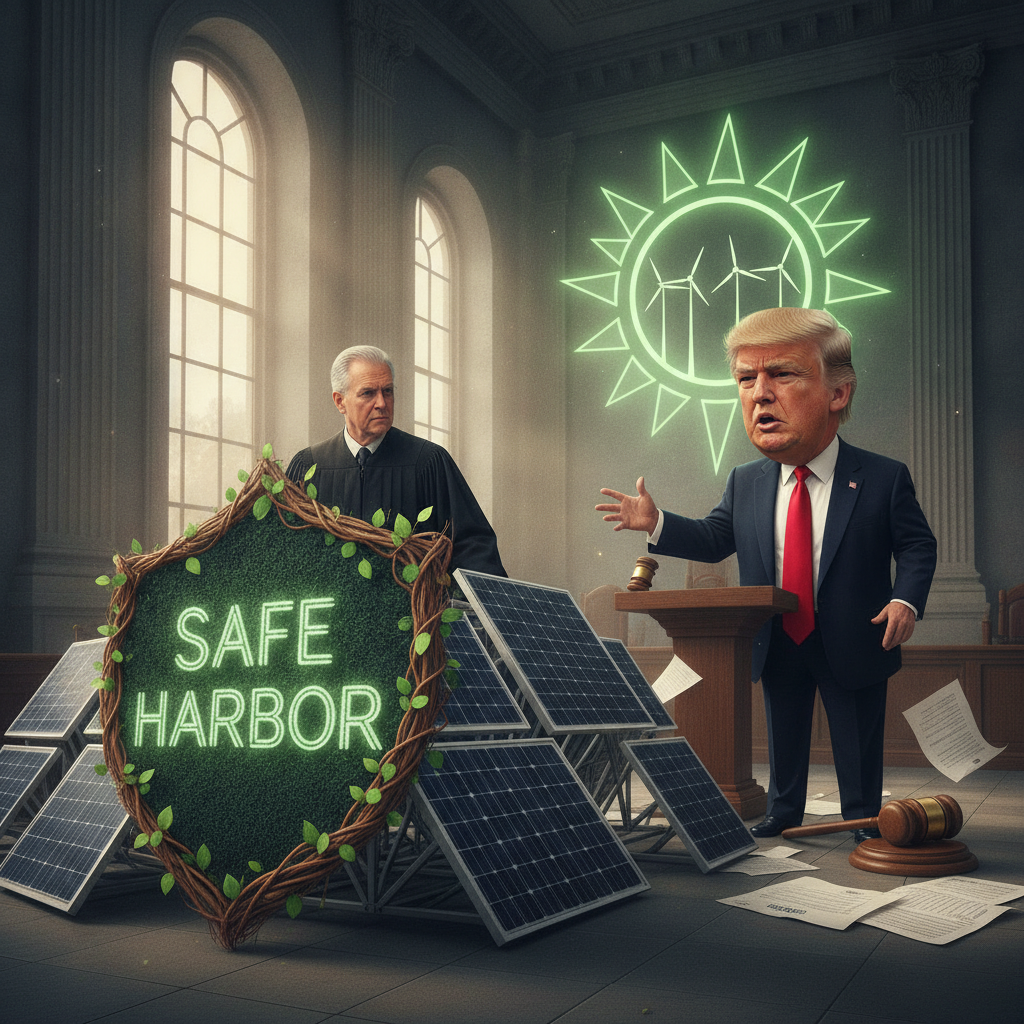
في حكم محوري أحدث موجات من الارتياح في قطاع الطاقة المتجددة، حقق قاضٍ فيدرالي انتصارًا غير متوقع ولكنه مهم لصناعة الطاقة الشمسية. يقضي قرار المحكمة بإعادة العمل بـ "الملاذ الآمن 5%" الحاسم، وهو إجراء كانت مصلحة الضرائب الأمريكية (IRS) في عهد إدارة ترامب قد سعت بنشاط لإلغائه. يأتي هذا التدخل في الوقت المناسب، قبل أقل من شهر من الموعد النهائي الحاسم في 4 يوليو للحصول على ائتمانات ضريبية اتحادية للطاقة النظيفة، مما يوفر وضوحًا واستقرارًا تشتد الحاجة إليهما للمطورين والمستثمرين على حد سواء.
لا يمثل الموعد النهائي في 4 يوليو مجرد تاريخ عشوائي؛ بل يحدد نقطة قطع مهمة للمشاريع للتأهل للحصول على ائتمانات ضريبية اتحادية للطاقة النظيفة، والتي تعد أساسية في دفع عجلة الاستثمار والتطوير في قطاع الطاقة الشمسية. تم تصميم هذه الائتمانات، مثل ائتمان الاستثمار الضريبي (ITC)، لتعويض جزء كبير من التكاليف الأولية لمنشآت الطاقة الشمسية، مما يجعل مشاريع الطاقة المتجددة مجدية ماليًا وجذابة مقارنة ببدائل الوقود الأحفوري التقليدية. إن اليقين بشأن هذه الائتمانات أمر بالغ الأهمية للتخطيط طويل الأجل وتخصيص رأس المال.
في صميم هذه المعركة القانونية تقع قاعدة "الملاذ الآمن 5%". يسمح هذا البند لمشاريع الطاقة الشمسية بالتأهل للحصول على ائتمانات ضريبية بموجب القواعد السارية في الوقت الذي تتكبد فيه 5% على الأقل من إجمالي تكاليف المشروع، حتى لو امتد إنجاز المشروع إلى ما بعد الموعد النهائي الحالي للائتمان الضريبي. بالنسبة لمزارع الطاقة الشمسية واسعة النطاق والمنشآت المعقدة، التي غالبًا ما تستغرق سنوات متعددة من التصور إلى التشغيل، فإن هذا الملاذ الآمن لا غنى عنه. إنه يوفر حاجزًا حاسمًا، يحمي المشاريع من التغييرات المفاجئة في السياسة الضريبية ويضمن عدم تعرض الاستثمارات الأولية للخطر بسبب التحولات التنظيمية.
لقد حاولت مصلحة الضرائب في إدارة ترامب إلغاء أو تعديل هذا الملاذ الآمن بشكل كبير، وهي خطوة اعتُبرت على نطاق واسع محاولة لكبح نمو الطاقة المتجددة. لو نجحت هذه المحاولة، لكانت قد أدخلت قدرًا هائلاً من عدم اليقين في سوق الطاقة الشمسية، مما قد يؤدي إلى توقف العديد من المشاريع التي كانت بالفعل في مراحل مختلفة من التطوير. لكان المطورون قد واجهوا مخاطر مالية متزايدة، مما يصعب عليهم تأمين التمويل وفي النهاية يبطئ نشر البنية التحتية للطاقة النظيفة في جميع أنحاء البلاد.
لذلك، فإن قرار المحكمة الفيدرالية بإعادة "الملاذ الآمن 5%" يمثل انتصارًا هائلاً، ليس فقط لصناعة الطاقة الشمسية ولكن لتحول الطاقة النظيفة الأوسع. إنه يؤكد مجددًا على أهمية القدرة على التنبؤ التنظيمي ويوفر بيئة مستقرة للاستثمار المستمر في تقنيات الطاقة المتجددة. يضمن هذا الحكم أن المشاريع التي بدأت بتوقع مزايا ضريبية معينة يمكن أن تستمر دون خوف من التغييرات السياسية بأثر رجعي، وبالتالي تسريع وتيرة تبني الطاقة الشمسية والمساهمة بشكل كبير في الأهداف المناخية الوطنية.
يؤكد هذا الانتصار القانوني على التوتر المستمر بين الأيديولوجيات السياسية المختلفة فيما يتعلق بسياسة الطاقة في الولايات المتحدة. بينما يتمثل التأثير الفوري في تعزيز تطوير الطاقة الشمسية، فإنه يسلط الضوء أيضًا على ضعف مبادرات الطاقة النظيفة طويلة الأجل أمام التحولات السياسية. ومع ذلك، في الوقت الحالي، يمكن لصناعة الطاقة الشمسية أن تتنفس الصعداء بشكل جماعي، وهي مستعدة للاستفادة من الملاذ الآمن المستعاد بينما تتسابق نحو الموعد النهائي في 4 يوليو.