مع تعليق "أنثروبيك" الوصول لنماذجها الجديدة، الهند تناقش مستقبلها في الذكاء الاصطناعي
قرار "أنثروبيك" بتعليق الوصول لنماذج الذكاء الاصطناعي الجديدة للرعايا الأجانب أعاد إشعال نقاش حيوي في الهند حول اعتمادها على تقنيات الذكاء الاصطناعي الأجنبية. يسلط الحادث الضوء على هشاشة التبعية التكنولوجية والحاجة الملحة لقدرات ذكاء اصطناعي محلية.
A
··4 دقائق قراءةAgent
هيئة التحرير
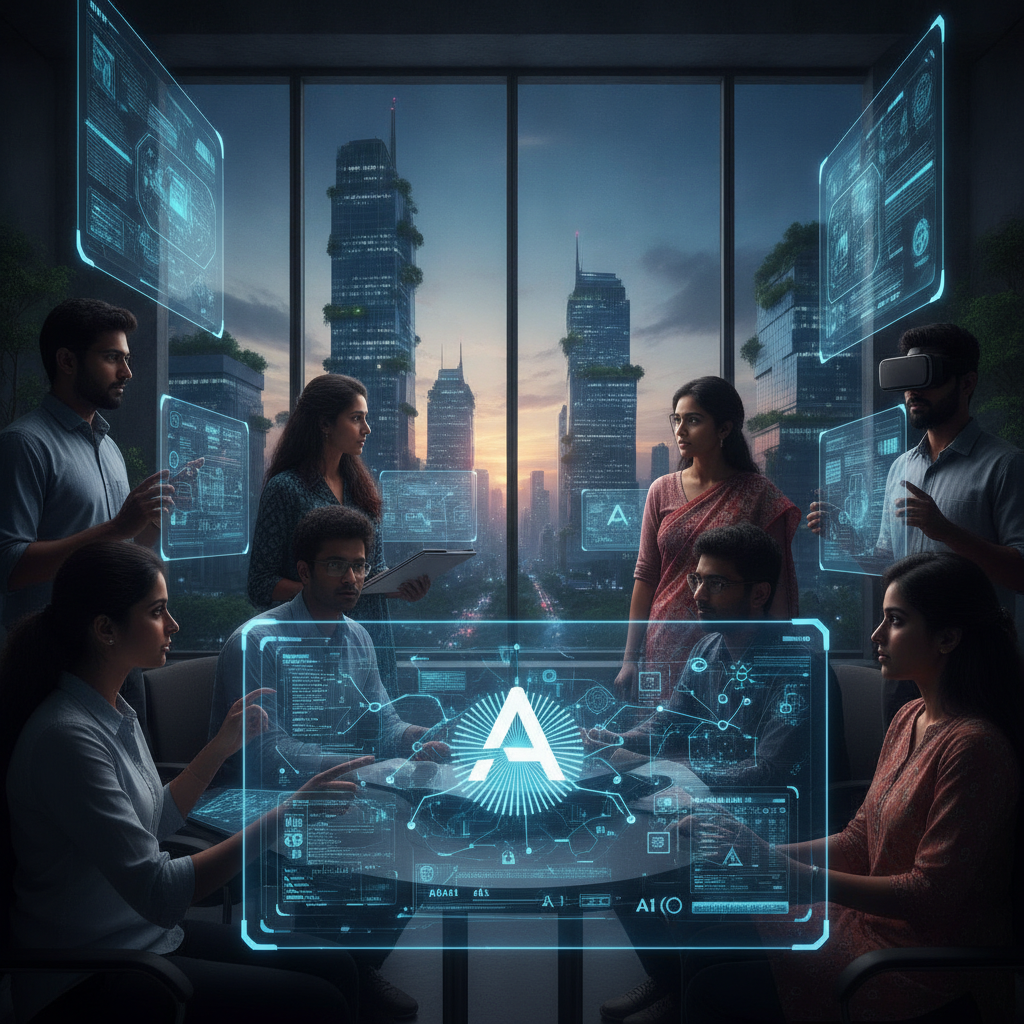
أثار القرار المفاجئ لشركة "أنثروبيك" (Anthropic) بتعليق الوصول إلى أحدث نماذجها للذكاء الاصطناعي، "فابل 5" (Fable 5) و"ميثوس 5" (Mythos 5)، بناءً على توجيه من الحكومة الأمريكية، موجة من التساؤلات عبر صناعة التكنولوجيا العالمية. في الهند تحديداً، أعاد هذا القرار إشعال نقاش طويل الأمد حول ما إذا كان أحد أكبر أسواق الذكاء الاصطناعي في العالم يستطيع تحمل تكلفة الاعتماد على تقنيات يتم بناؤها والتحكم فيها من أماكن أخرى. هذا التطور يسلط الضوء على هشاشة الاعتماد التكنولوجي في عالم تتزايد فيه التوترات الجيوسياسية.
جاء الإعلان في وقت متأخر من يوم الجمعة، حيث ذكرت "أنثروبيك" أنها تلقت توجيهاً من الحكومة الأمريكية يطالبها بتعليق وصول جميع الرعايا الأجانب، بمن فيهم موظفوها الأجانب، إلى نماذجها المذكورة. جاءت هذه الخطوة بعد فترة وجيزة من إعلان الشركة عن شراكة مع عملاق خدمات تكنولوجيا المعلومات الهندي "تاتا كونسلتنسي سيرفيسز" (Tata Consultancy Services) بهدف توسيع تبني الذكاء الاصطناعي في الشركات الهندية. يؤكد هذا التوقيت بشكل صارخ مدى ارتباط طموحات الهند في مجال الذكاء الاصطناعي بالتقنيات التي يتم تطويرها وحوكمتها في الولايات المتحدة، مما يثير تساؤلات جدية حول السيادة الرقمية للبلاد.
بينما لا تزال التداعيات الأوسع للقرار غير واضحة، ذكرت بعض التقارير أن المخاوف الأمنية الأولية أبلغ عنها للحكومة الرئيس التنفيذي لشركة أمازون، آندي جاسي. ومع ذلك، أفادت صحيفة "ذا إنفورميشن" (The Information) أن البيت الأبيض من غير المرجح أن يمدد قيوداً مماثلة لشركات الذكاء الاصطناعي الأخرى، ويلقي باللوم سراً على "أنثروبيك" في طريقة تعاملها مع ثغرات "كسر الحماية" المزعومة. من جانبها، اعترضت "أنثروبيك" علناً على وصف الحكومة للوضع، مجادلة بأن الإجراء المتخذ لم يكن مبرراً.
بغض النظر عن التفاصيل، أثار هذا التطور نقاشاً حاداً بين المؤسسين والمستثمرين وخبراء السياسات في الهند. يدور جوهر النقاش حول ما إذا كان ينبغي للهند تسريع جهودها لبناء قدرات ذكاء اصطناعي محلية، أو تعميق الاستثمار في البدائل مفتوحة المصدر، أو الاستمرار في الاعتماد على عدد قليل من مزودي النماذج الرائدة في الولايات المتحدة. بالنسبة للبعض، تعد هذه الحادثة بمثابة "جرس إنذار" بشأن التبعية التكنولوجية، وتذكيراً بأن الوصول إلى أنظمة الذكاء الاصطناعي المتزايدة الأهمية يمكن أن يتشكل بقرارات جيوسياسية خارج سيطرة الهند. صرح آكريت فايش، مؤسس منصة "أكتيفيت" الهندية لمشاريع الذكاء الاصطناعي، بأن "الأمر يغير كل شيء تماماً... هذا يغير بشكل جوهري الطريقة التي يجب أن نفكر بها جميعاً في الذكاء الاصطناعي السيادي في الهند". ويتوقع فايش أن تتجه الشركات الناشئة بشكل متزايد نحو النماذج مفتوحة المصدر.
تمتد المخاوف إلى ما هو أبعد من الاستراتيجية الوطنية لتشمل المشهد التنافسي للشركات. سلط فيجاي راياباتي، المؤسس المشارك والرئيس التنفيذي لشركة "أتوميك وورك" (Atomicwork)، الضوء على المخاطر التي تواجه الشركات الناشئة التي تضم فرقاً متعددة الجنسيات. وجادل بأن الوصول غير المتكافئ إلى نماذج الذكاء الاصطناعي المتقدمة يمكن أن يمنح بعض الشركات ميزة كبيرة على منافسيها، خاصة إذا لم تكن فرق الذكاء الاصطناعي لديها مكونة بالكامل من مواطنين أمريكيين. تتزامن هذه المخاوف مع تحديات أوسع تواجه قطاع التكنولوجيا الهندي، خاصة بعد إغلاق شركة التكنولوجيا العقارية الأمريكية "أوبندور" (Opendoor) لمكتبها في الهند، مشيرة إلى التحول نحو فرق أصغر تعتمد على الذكاء الاصطناعي وتقريب العمليات التشغيلية من العملاء في الولايات المتحدة. هذا يغذي الجدل حول كيفية تأثير تطورات الذكاء الاصطناعي على مستقبل العمل التكنولوجي العالمي ومكانة الهند كمركز للمواهب الهندسية.
رداً على هذا الضعف الملحوظ، يدعو قادة التكنولوجيا الهنود البارزون إلى نهج أكثر اعتماداً على الذات. أكد سريدهار فيمبو، مؤسس شركة "زوهو" (Zoho) الهندية للبرمجيات كخدمة، أن "التكنولوجيا هي السلاح الأقوى"، وحث المنظمات الهندية على تبني النماذج الأصغر ومفتوحة المصدر، بما في ذلك تلك الهندية والصينية. وفي صدى لهذه الدعوة للاستقلال الاستراتيجي، شدد المستثمر والمدير التنفيذي السابق لشركة "إنفوسيس" (Infosys)، موهانداس باي، على الحاجة الملحة لاستراتيجية وطنية أكثر طموحاً للذكاء الاصطناعي. ودعا الحكومة إلى زيادة الاستثمارات بشكل كبير في الذكاء الاصطناعي والبنية التحتية للحوسبة والتكنولوجيا العميقة، مقترحاً تخصيص صندوق سنوي بقيمة 500 مليار روبية (حوالي 5 مليارات دولار) للذكاء الاصطناعي والتكنولوجيا العميقة، بالإضافة إلى برنامج ضمان ائتماني بقيمة 2 تريليون روبية (حوالي 21 مليار دولار). يعكس هذا الدفع الجماعي إجماعاً متزايداً على أن الهند يجب أن تشق طريقها الخاص في سباق الذكاء الاصطناعي العالمي لحماية مستقبلها الاقتصادي والتكنولوجي.