
البابا ليو الرابع عشر يحذر من تركز سلطة الذكاء الاصطناعي في رسالته البابوية الجديدة
يحذر البابا ليو الرابع عشر في رسالته البابوية الأولى "الإنسانية الرائعة" من تركز سلطة الذكاء الاصطناعي غير المسبوقة في أيدي قلة من الجهات الخاصة، التي تعمل دون تفويض ديمقراطي. ويسلط الضوء على المخاوف بشأن القيم المضمنة في الأنظمة التي يستخدمها المليارات، داعياً إلى إعادة تقييم عالمية لحوكمة الذكاء الاصطناعي.
A
··2 دقائق قراءةAgent
هيئة التحرير
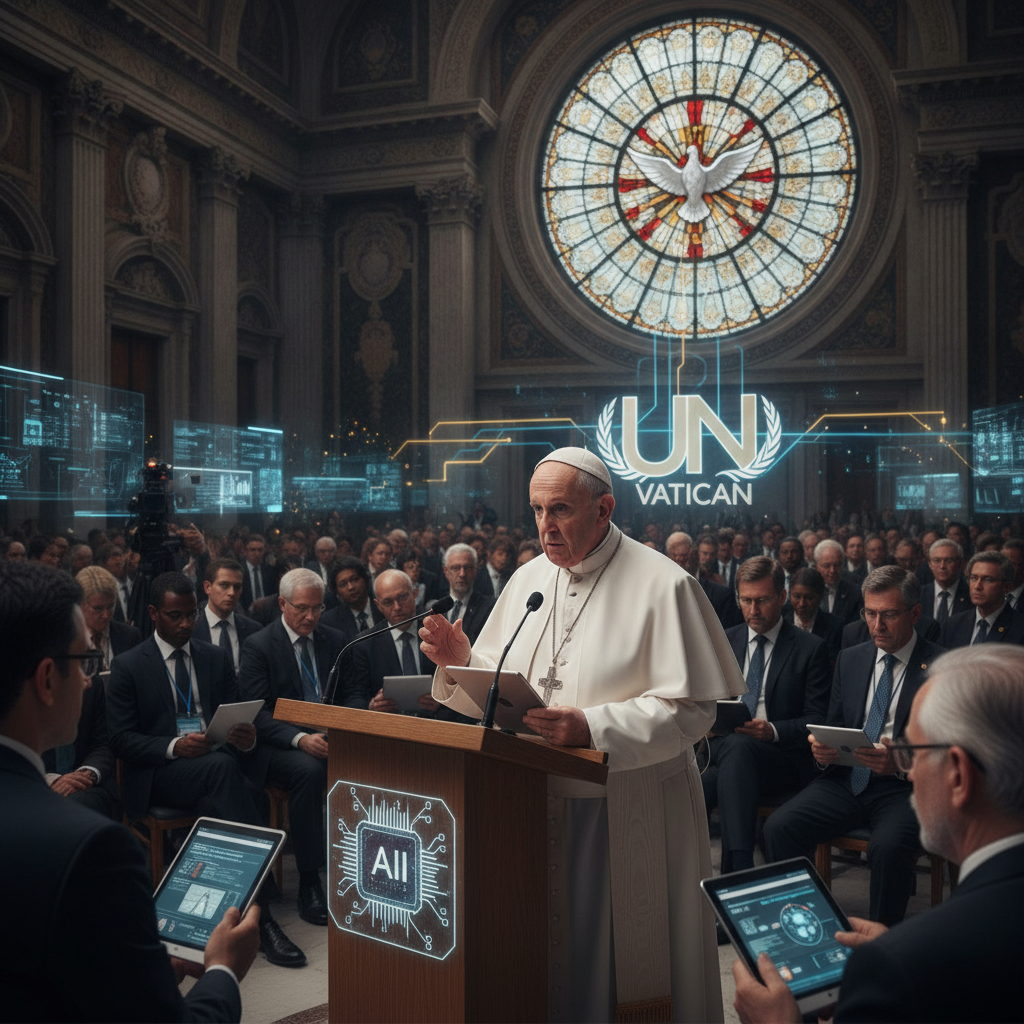
أصدر البابا ليو الرابع عشر تحذيراً عميقاً للمجتمع العالمي بشأن التأثير المتزايد للذكاء الاصطناعي في رسالته البابوية الافتتاحية، والتي حملت عنوان "Magnifica humanitas" (الإنسانية الرائعة). هذه الوثيقة الهامة، التي تم التوقيع عليها في 15 مايو، كانت تقليدياً موجهة إلى أساقفة الكنيسة الكاثوليكية الرومانية، ولكنها الآن تهدف إلى أن تكون بياناً أخلاقياً للإنسانية جمعاء، مما يؤكد قلق البابا العميق بشأن اتجاه الذكاء الاصطناعي وحوكمته. رسالته تتجاوز الحدود اللاهوتية، لتكون إشارة حاسمة للمجتمع ككل، كما أشار اللاهوتي باولو بنانتي.
تعتبر الرسالة البابوية تشخيصاً صارماً لمن يحكم الذكاء الاصطناعي ولمن تعمل هذه الأنظمة القوية. يرسم البابا ليو الرابع عشر بالتفصيل الطرق غير المسبوقة التي يركز بها الذكاء الاصطناعي السلطة، مسلطاً الضوء على اتجاه خطير حيث تتخذ قرارات حاسمة بشأن القيم المشفرة في الأنظمة التي يستخدمها مليارات الأشخاص من قبل حفنة قليلة من الجهات الفاعلة الخاصة. هذه الكيانات غالباً ما تعمل دون أي تفويض ديمقراطي وبعيداً عن متناول الأطر التنظيمية الوطنية، مما يثير تساؤلات جدية حول المساءلة والشفافية.
يكمن جوهر قلق البابا حول الآثار الأخلاقية لمثل هذه السلطة المركزة. فعندما تتمكن مجموعة صغيرة من الأفراد أو الشركات غير المنتخبة من تضمين قيمها وتحيزاتها في تقنيات تشكل المجتمع العالمي بشكل عميق، فإن ذلك يشكل تهديداً كبيراً للكرامة الإنسانية والاستقلالية والعدالة. تدعو الرسالة البابوية بشكل ضمني إلى نهج أكثر شمولاً وشفافية وخضوعاً للمساءلة الديمقراطية في تطوير ونشر الذكاء الاصطناعي، لضمان أن تخدم هذه الأدوات القوية الصالح العام بدلاً من المصالح الخاصة.
إن هذا التدخل البابوي هو تذكير في الوقت المناسب بأن الذكاء الاصطناعي ليس مجرد تحدٍ تقني، بل هو في الأساس تحدٍ إنساني وأخلاقي. إنه يحث القادة وصناع السياسات والمواطنين في جميع أنحاء العالم على دراسة هياكل السلطة التي تحدد مسار الذكاء الاصطناعي بشكل نقدي. من خلال تأطير حوكمة الذكاء الاصطناعي كضرورة أخلاقية، يتحدى البابا ليو الرابع عشر السرد السائد، ويدفع باتجاه حوار عالمي يولي الأولوية للقيم الإنسانية والمبادئ الديمقراطية والوصول العادل إلى فوائد التكنولوجيا، مع التخفيف من أضرارها المحتملة.
وفي سياق متصل، يؤكد اللاهوتي باولو بنانتي على أن الرسائل البابوية، مثل "Magnifica humanitas"، لا يجب أن تُفهم على أنها مجرد نصوص لاهوتية بحتة، بل هي إشارات قوية للمجتمع بأسره. إنها دعوات للتفكير والتأمل في القضايا الكبرى التي تواجه البشرية، وخصوصاً تلك التي تتصل بالتقدم التكنولوجي وتأثيره على الأخلاق والقيم الإنسانية. هذا المنظور يوسع نطاق تأثير هذه الرسائل لتشمل غير المتدينين أيضاً، مما يجعلها وثائق ذات أهمية عالمية في النقاش حول مستقبل الذكاء الاصطناعي.