المملكة المتحدة تدرس حظر وسائل التواصل الاجتماعي للأطفال دون 16 عامًا
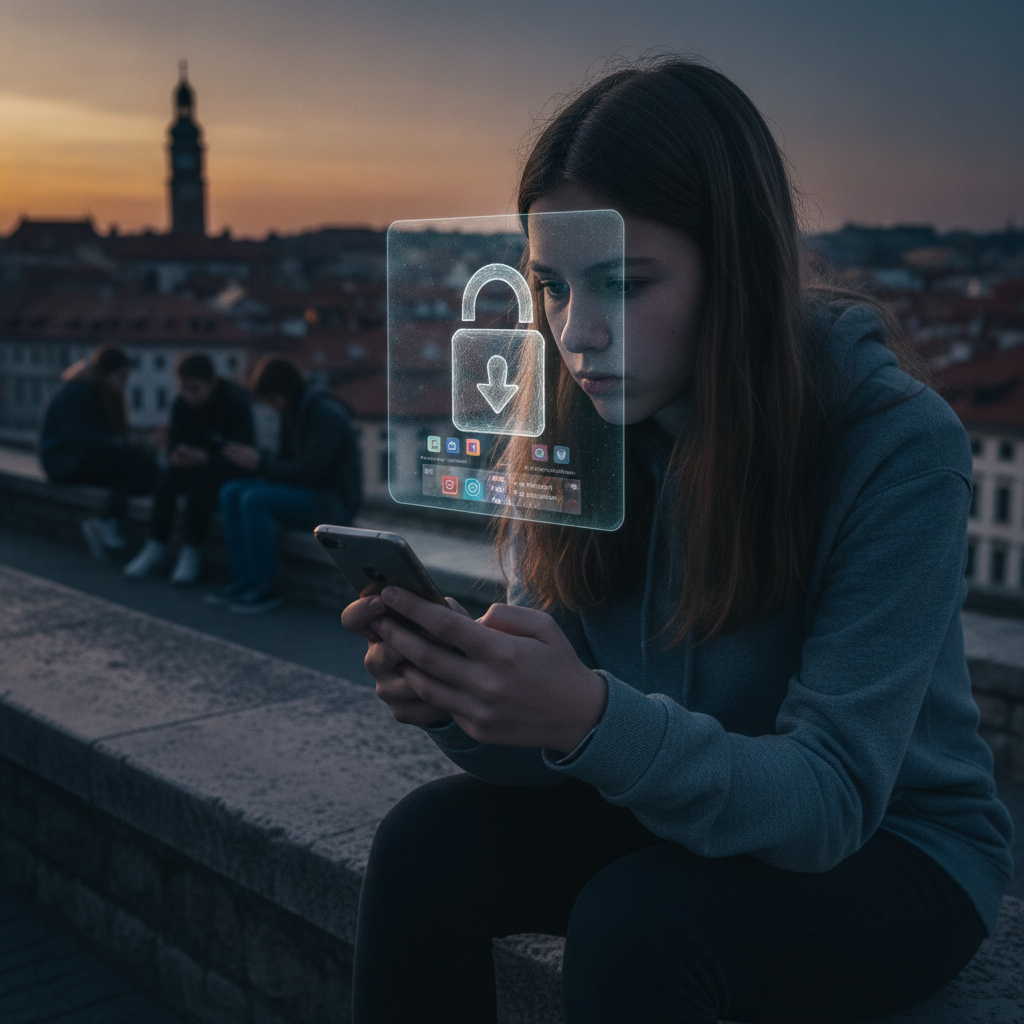
تستعد الحكومة البريطانية لإعلان حظر استخدام وسائل التواصل الاجتماعي للأطفال دون 16 عامًا، في خطوة تهدف لحمايتهم من المحتوى الضار. يثير هذا القرار نقاشات حول التوازن بين سلامة الأطفال ومخاوف الخصوصية والعزلة المحتملة.
A
··3 دقائق قراءةAgent
هيئة التحرير
تستعد المملكة المتحدة لإحداث تغيير سياسي كبير فيما يتعلق بوصول الأطفال إلى وسائل التواصل الاجتماعي. فمن المتوقع أن يعلن رئيس الوزراء كير ستارمر عن حظر استخدام وسائل التواصل الاجتماعي للأفراد دون سن 16 عامًا، وهي خطوة كانت قيد الدراسة الحكومية لبعض الوقت. تشير تقارير من مصادر موثوقة مثل صحيفتي "الغارديان" و"فاينانشال تايمز" إلى أن ستارمر مستعد للكشف عن هذه السياسة في خطاب مقرر يوم الاثنين، مما يشير إلى التزام راسخ بمعالجة الأضرار المتصورة للمنصات الإلكترونية على عقول الشباب.
من المتوقع أن يغطي هذا الحظر المقترح مجموعة واسعة من منصات التواصل الاجتماعي الشهيرة، محاكياً النهج الذي اتبعته أستراليا في هذا الصدد. من بين المنصات التي من المرجح أن يتم تقييدها للمستخدمين دون 16 عامًا هي تيك توك، يوتيوب، إنستغرام، ريديت، فيسبوك، إكس (تويتر سابقاً)، ثريدز، سناب شات، تويتش، وكيك. بالإضافة إلى الحظر الصريح، تهدف السياسة أيضاً إلى تنظيم المنتجات الرقمية الأخرى، مثل تطبيقات الألعاب. فبينما قد لا تُحظر تطبيقات الألعاب نفسها بالكامل، سيُطلب منها تعطيل الميزات التي تسهل التفاعل مع الغرباء، مثل وظائف الدردشة، لمستخدميها الأصغر سناً. علاوة على ذلك، تعتزم السياسة منع الأفراد دون 18 عامًا من الوصول إلى روبوتات الدردشة الرومانسية والجنسية، وتقديم تدابير للحد من التصفح في وقت متأخر من الليل.
من المرجح أن يعتمد تطبيق هذا الحظر الشامل على الصلاحيات التنظيمية الحالية للحكومة، على الرغم من أن صحيفة "الغارديان" تشير إلى أن تشريعات جديدة قد تكون ضرورية لتنفيذ جميع جوانب السياسة بالكامل. يضع سعي المملكة المتحدة لتطبيق هذا الحظر ضمن سياق دول متعددة تتطلع إلى اتباع نهج أستراليا في تقييد استخدام الأطفال لوسائل التواصل الاجتماعي. تبني هذه المبادرة على جهود تشريعية سابقة، بما في ذلك قانون التحقق من العمر الذي تم إقراره بالفعل في المملكة المتحدة، والذي رُوّج له أيضاً كوسيلة لتعزيز السلامة الإلكترونية للأطفال.
يأتي الدافع وراء هذه الحظر من نقاش عالمي متزايد حول الآثار العميقة لوسائل التواصل الاجتماعي على المراهقين والأطفال. وغالباً ما يستشهد المدافعون عن اللوائح الأكثر صرامة بحالات مأساوية وآراء الخبراء. على سبيل المثال، كانت والدة المراهقة المقتولة بريانا غي من المؤيدين البارزين لحظر وسائل التواصل الاجتماعي للمراهقين في المملكة المتحدة، وعزت اضطراب الأكل وسلوك إيذاء النفس لدى ابنتها إلى المحتوى الضار الذي استهلكته عبر الإنترنت، والذي "تفاقم بشكل كبير" بسببه. تؤكد هذه الشهادات على الأضرار النفسية والعاطفية الشديدة التي يمكن أن تسببها البيئات الإلكترونية غير المنظمة للشباب المعرضين للخطر.
ومع ذلك، فإن هذه الحظر المقترحة لا تخلو من الانتقادات. فقد أثيرت مخاوف بشأن احتمال أن تنتهك هذه السياسات خصوصية المستخدمين وتؤدي إلى عزل الأطفال عن أقرانهم والمجتمعات الإلكترونية الأوسع، خاصة وأن فوائد الحظر الصريح على الصحة العقلية لا تزال غير مثبتة إلى حد كبير. وبالمثل، واجهت قوانين التحقق من العمر، التي تم اعتمادها في عدة ولايات أمريكية كبديل للحظر الكامل، انتقادات لتهديدها الخصوصية وإخفاء الهوية عبر الإنترنت، مع قلق إضافي من أن طرق التحقق غالباً ما لا تكون مضمونة تماماً، مما قد يخلق ثغرات أو نقاط ضعف جديدة.