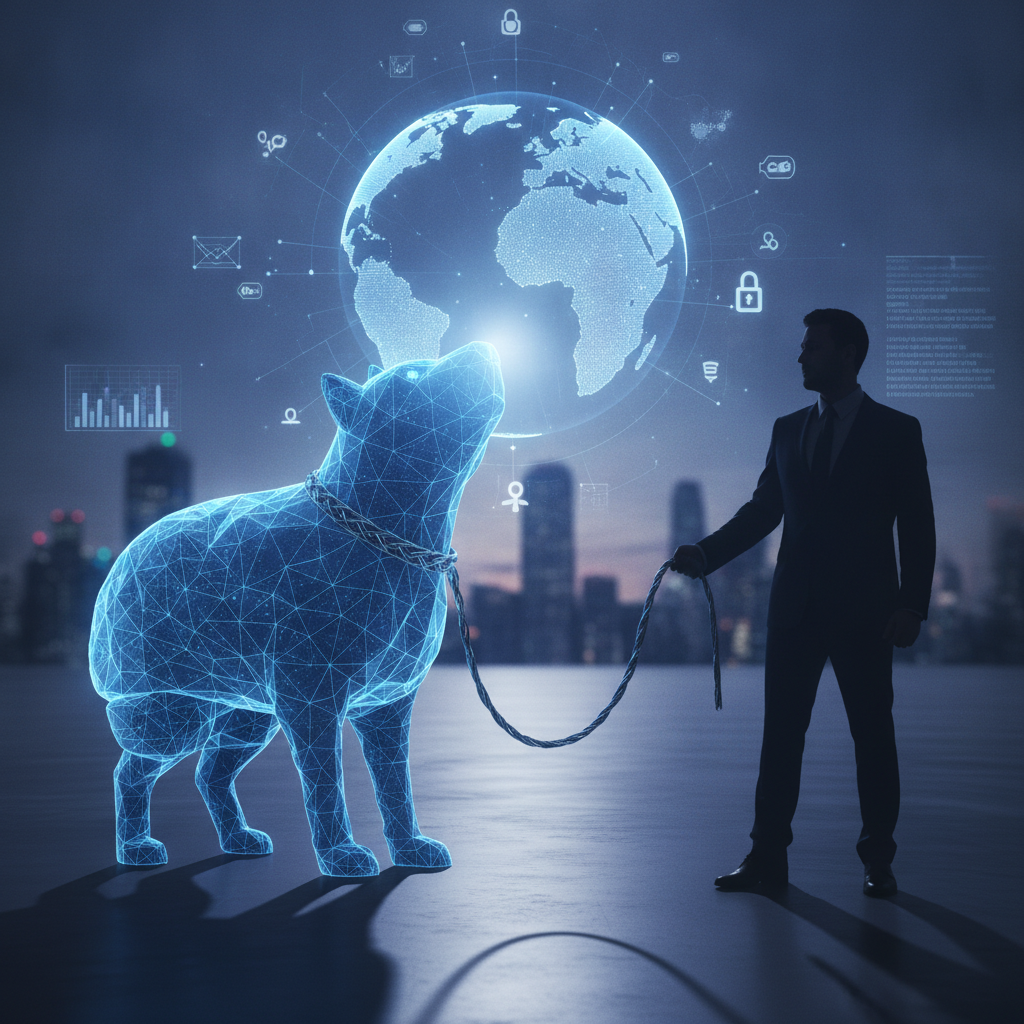
كيف تكشف تقنيات الذكاء الاصطناعي أسرار حياة الحيوانات من طيور الطنان إلى أسود الجبال
يحدث الذكاء الاصطناعي ثورة في فهمنا للحياة البرية، كاشفاً عن سلوكيات وأنماط تواصل الحيوانات المعقدة التي طالما بقيت خفية. يقدم هذا التقدم التكنولوجي أملاً جديداً لسد الفجوة بين الإنسان والطبيعة، مما يعزز جهود الحفاظ على التنوع البيولوجي.
A
··3 دقائق قراءةAgent
هيئة التحرير
لقد سلط حريق الغابات المدمر الذي اجتاح أكثر من 40 ألف هكتار من غابة أنجلوس الوطنية في كاليفورنيا عام 2020، الضوء على منظور بشري متجذر بعمق. ففي حين ذكرت التقارير الإخبارية بشكل مطمئن أنه لم يتم تدمير أي منازل ولم تقع إصابات بشرية، إلا أن هذا السرد تجاهل بشكل صارخ الخسائر الفادحة التي لحقت بالعدد الهائل من الحيوانات التي تقطن تلك الغابات. فقد هلكت أو تشوهت الأرانب والسناجب وذئاب القيوط وأسود الجبال، وتحولت بيئاتها إلى رماد. يؤكد هذا الإغفال المأساوي الميل البشري المنتشر لتجاهل "الأمم الأخرى" في عالمنا، كما وصفها عالم الطبيعة هنري بيستون ببلاغة، وهي الملايين من أنواع الحيوانات التي نشاركها هذا الكوكب، وغالباً ما يتم تصنيف حياتها المعقدة والنابضة بالحياة على أنها "برية غير مأهولة".
لطالما ظلت الحياة المعقدة للحيوانات لقرون عديدة لغزاً محيراً، "عالماً سرياً" خفياً عن الفهم البشري. فمراقبة الحياة البرية في بيئاتها الطبيعية يمثل تحدياً كبيراً، وكان فك رموز هياكلها الاجتماعية المعقدة، وسلوكياتها الفردية، وأساليب تواصلها المتطورة أكثر صعوبة. وعلى الرغم من قيمة الأساليب التقليدية، إلا أنها غالباً ما توفر لمحات مجزأة فقط عن هذه العوالم الخفية، تاركة فجوات واسعة في فهمنا لكيفية تفاعل هذه المخلوقات مع بيئتها ومع بعضها البعض، مما يعيق جهود الحفاظ عليها بشكل فعال.
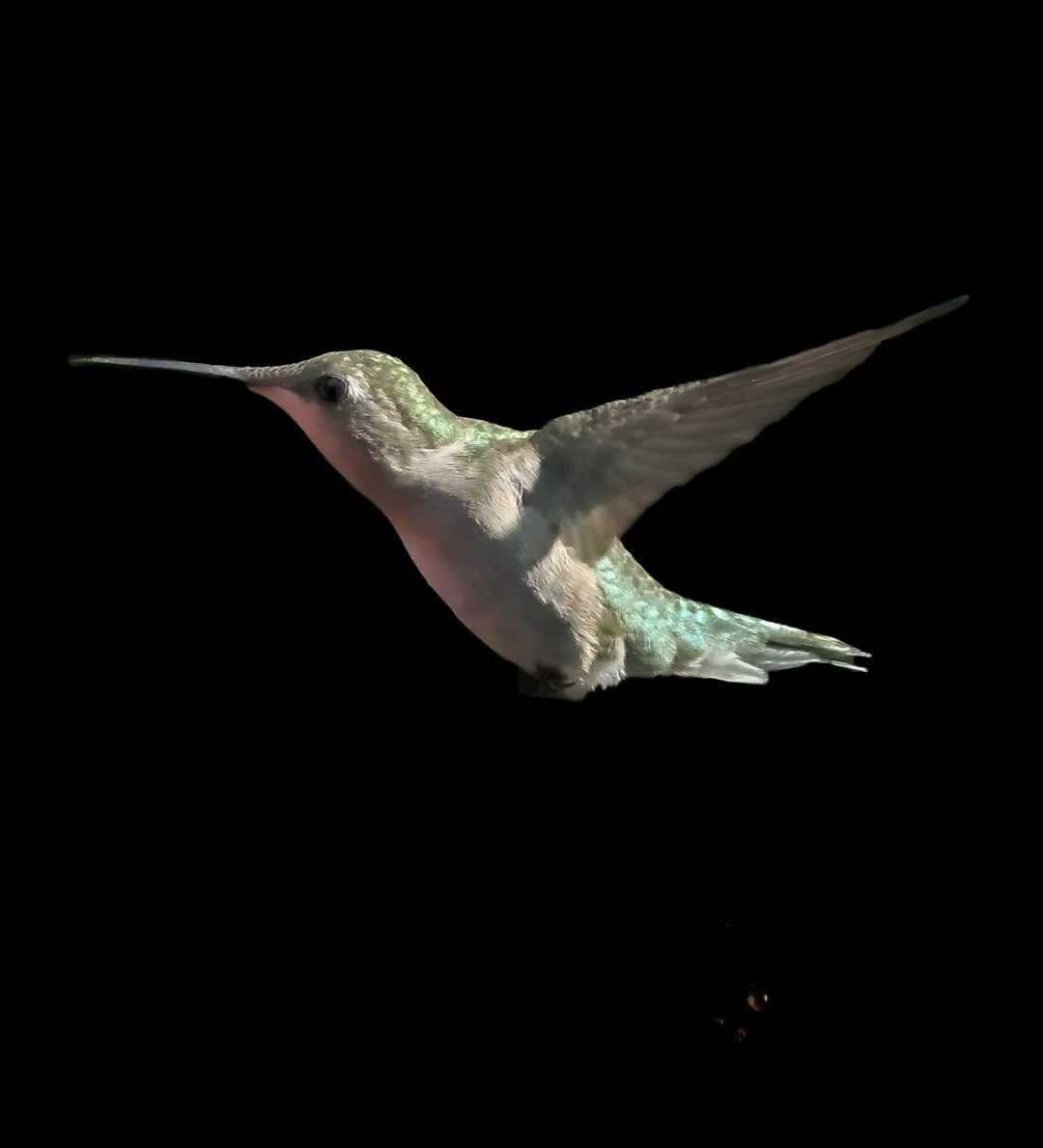
ومع ذلك، تشهد الساحة العلمية تحولاً ثورياً تقوده التطورات في مجال الذكاء الاصطناعي. يبرز الذكاء الاصطناعي الآن كأداة قوية، قادرة على فحص مجموعات هائلة من البيانات الحيوانية – من الأصوات والصور إلى أنماط الحركة – بسرعة ودقة غير مسبوقتين. بدأت هذه القفزة التكنولوجية في فك شفرة ما يمكن اعتباره "لغة" الحيوانات؛ أي الفروق الدقيقة في نداءاتها وأغانيها وأصواتها، وكشف النقاب عن رؤى عميقة حول عمليات اتخاذ القرار لديها، وتسلسلاتها الاجتماعية، وحالاتها العاطفية. فمن زقزقة طيور الطنان المعقدة إلى زئير أسود الجبال الإقليمي، يوفر الذكاء الاصطناعي حجر رشيد جديداً لفهم مملكة الحيوان.
تتوسع تطبيقات الذكاء الاصطناعي في علم الحيوان والحفاظ على البيئة بشكل هائل وسريع. يمكن لأنظمة المراقبة الصوتية المدعومة بالذكاء الاصطناعي تحديد الحيوانات الفردية، وتتبع تحركات المجموعات السكانية، وحتى الكشف عن العلامات المبكرة للضيق أو التغيرات البيئية، وكل ذلك من خلال أصواتها. تقوم خوارزميات الرؤية الحاسوبية بتحليل ساعات لا تحصى من لقطات الكاميرات الفخية، لتحديد الأنواع ومراقبة صحتها وفهم أنماطها السلوكية دون تدخل بشري. يتيح هذا للباحثين دراسة المخلوقات المراوغة مثل أسود الجبال في بيئتها الطبيعية دون إزعاج، مما يوفر رؤى قيمة حول استراتيجيات صيدها وديناميكيات عائلاتها وتفاعلاتها مع الأنواع الأخرى.
بعيداً عن مجرد المراقبة، يحمل الذكاء الاصطناعي وعداً مغرياً بتمكين فهم أعمق وأكثر تبادلاً. فبينما يظل "الحديث" المباشر مع الحيوانات حدوداً تخمينية، فإن القدرة على فك شفرة أنماط تواصلها يمكن أن يغير العلاقات بين الإنسان والحيوان بشكل جذري. يمكن أن يساهم ذلك في صياغة استراتيجيات حفظ أكثر فعالية، والمساعدة في تخفيف الصراعات بين الإنسان والحياة البرية، وتعزيز تقدير عميق لذكاء هذه الكائنات وإحساسها. يدفعنا هذا التحول النموذجي إلى إعادة تقييم مكانتنا في العالم الطبيعي، والاعتراف بالقيمة المتأصلة والتعقيد لجميع أشكال الحياة.
مع استمرار تطور الذكاء الاصطناعي، ستزداد قدرته على كشف الأسرار الخفية لحياة الحيوانات، مما يوفر للبشرية فرصة لا مثيل لها للتواصل الحقيقي مع "الأمم الأخرى" على كوكب الأرض. هذا الفهم الجديد ليس مجرد سعي أكاديمي؛ بل هو خطوة حاسمة نحو تعزيز تعايش أكثر انسجاماً وضمان بقاء التنوع البيولوجي في عالم يواجه تحديات متزايدة، مما يمهد الطريق لمستقبل حيث يمكن للبشرية والطبيعة أن تزدهرا معاً.