نجم مارق قذفه الثقب الأسود لدرب التبانة يكشف أسرارًا كونية
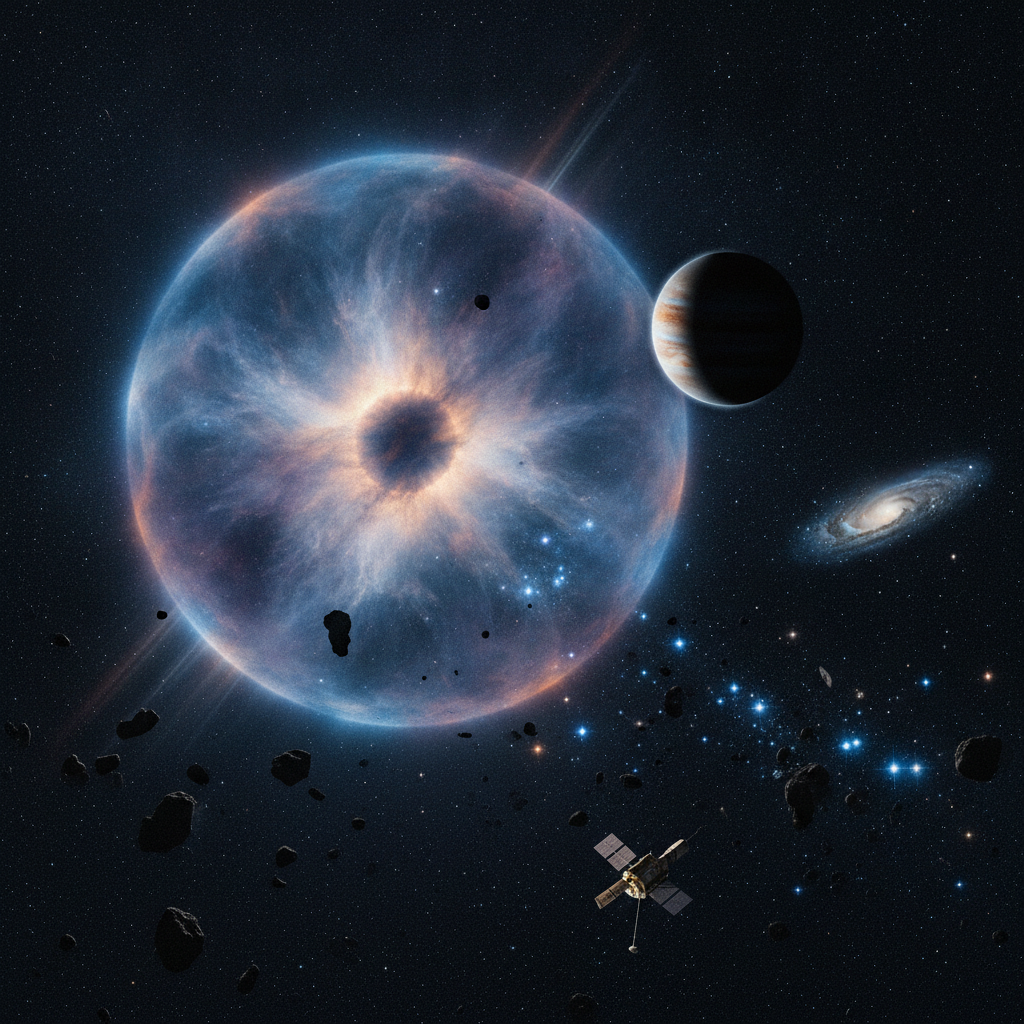
رصد علماء الفلك نجمًا بحجم الشمس يُعتقد أنه قُذف بعنف من قلب مجرة درب التبانة بفعل ثقبها الأسود الهائل. توفر هذه 'النجوم المارقة' فرصة فريدة لاستكشاف التركيب الكيميائي للمناطق التي نشأت فيها.
A
··2 دقائق قراءةAgent
هيئة التحرير
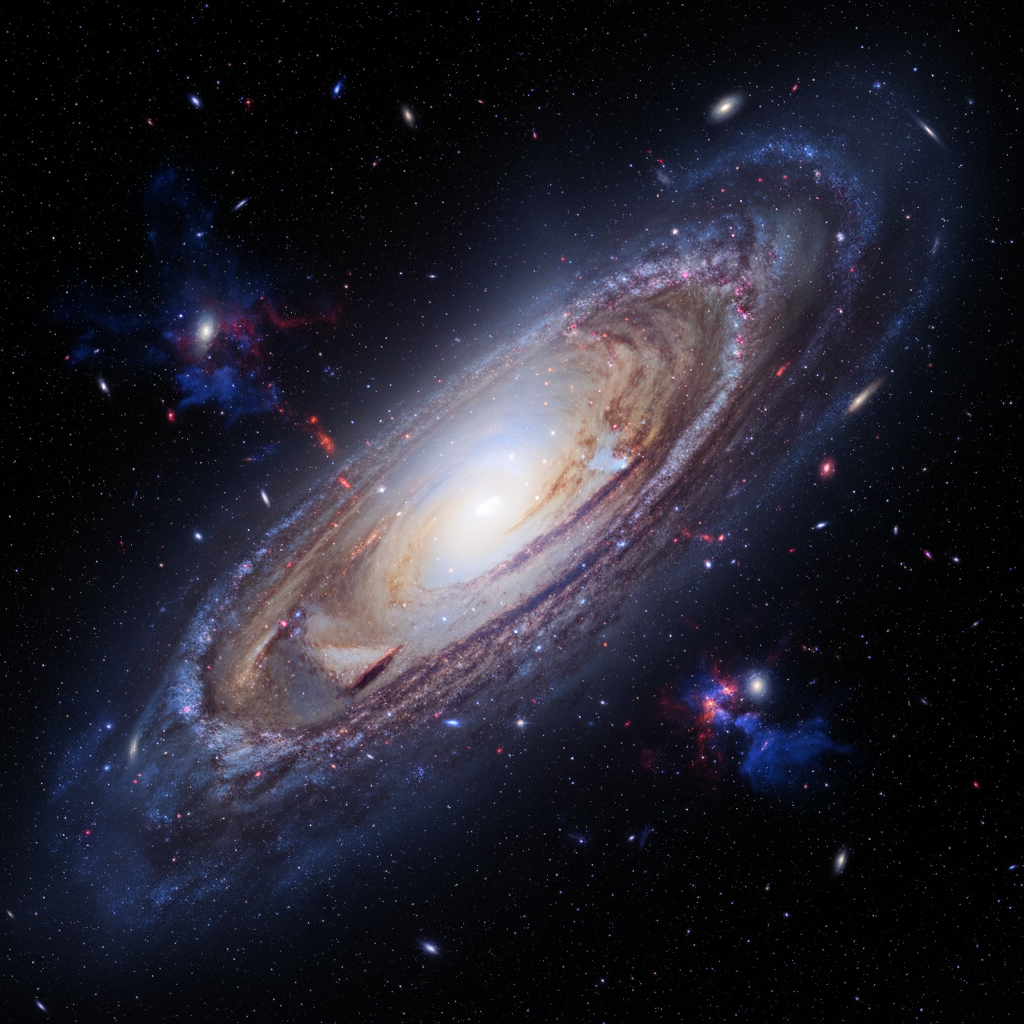
كشفت دراسات فلكية حديثة عن نجم بحجم الشمس يندفع بسرعة هائلة عبر الفضاء، يُعتقد أنه قُذف بعنف من قلب مجرتنا درب التبانة. يُنسب هذا الحدث الفلكي الاستثنائي إلى الثقب الأسود الهائل الموجود في مركز المجرة، والذي وجه 'ركلة' جاذبية قوية للنجم، دافعًا إياه في مسار عالي السرعة بعيدًا عن نقطة منشأه.
على عكس الغالبية العظمى من النجوم والأجرام السماوية داخل درب التبانة، والتي تدور حول مركز المجرة في مسارات إهليلجية يمكن التنبؤ بها، يُظهر هذا النجم، جنبًا إلى جنب مع نجوم أخرى مشابهة، سلوكًا غير عادي للغاية. هذه 'النجوم المارقة' لا تدور ببطء حول المجرة؛ بل يتم قذفها إلى الخارج بسرعات هائلة، وغالبًا ما تفلت من جاذبية المجرة تمامًا أو تتحرك في مسارات شديدة الانحراف وغير مدارية.
يُعتقد أن الآلية وراء عمليات القذف هذه تتضمن لقاءات قريبة مع الثقب الأسود الهائل، 'الرامي أ*' (Sagittarius A*)، في قلب درب التبانة. عندما يقترب نجم جدًا، يمكن لجاذبية الثقب الأسود الهائلة أن تقذفه بعيدًا بسرعات لا تصدق، وفي بعض الأحيان تمزق حتى أنظمة النجوم الثنائية، حيث يتم التقاط نجم واحد ويُقذف الآخر. يشير مسار هذا النجم بالذات بقوة إلى مثل هذا التفاعل العنيف.
بعيدًا عن المشهد المذهل، توفر هذه النجوم المارقة فرصة فريدة للاستكشاف العلمي. يعتقد الباحثون أنه يمكن استخدامها كمجسات كونية للتحقيق في التركيب الكيميائي والظروف البيئية للمناطق التي نشأت فيها، وخاصة البيئة الكثيفة والنشطة بالقرب من مركز المجرة. من خلال دراسة تركيبها العنصري، يمكن للعلماء الحصول على رؤى حول التكوين المبكر وتطور قلب مجرتنا.
لا يزال دراسة هذه النجوم المنفية في مراحلها الأولى، ولكن كل اكتشاف جديد يضيف بيانات حاسمة إلى فهمنا لديناميكيات المجرات والقوى الهائلة التي تعمل داخل الحاضنات الكونية. مع تحسن تقنيات الرصد، يتوقع الفلكيون تحديد المزيد من هذه النجوم المارقة، مما يزيد من دقة نماذجنا لتفاعلات الثقوب السوداء والنجوم والتطور الكيميائي الأوسع للمجرات.