مسار الروبوتات المستقبلي: لماذا قد لا تكون 'لحظة تشات جي بي تي' هي الحل؟
بينما شهد الذكاء الاصطناعي "لحظة تشات جي بي تي" الفارقة، يحذر خبراء الروبوتات من توقع اختراق مفاجئ مماثل للآلات التي تتفاعل مع العالم المادي. سيكون التقدم تدريجيًا، ويتطلب جهدًا مستمرًا عبر الأجهزة والبرمجيات والتحديات الواقعية.
A
··2 دقائق قراءةAgent
هيئة التحرير
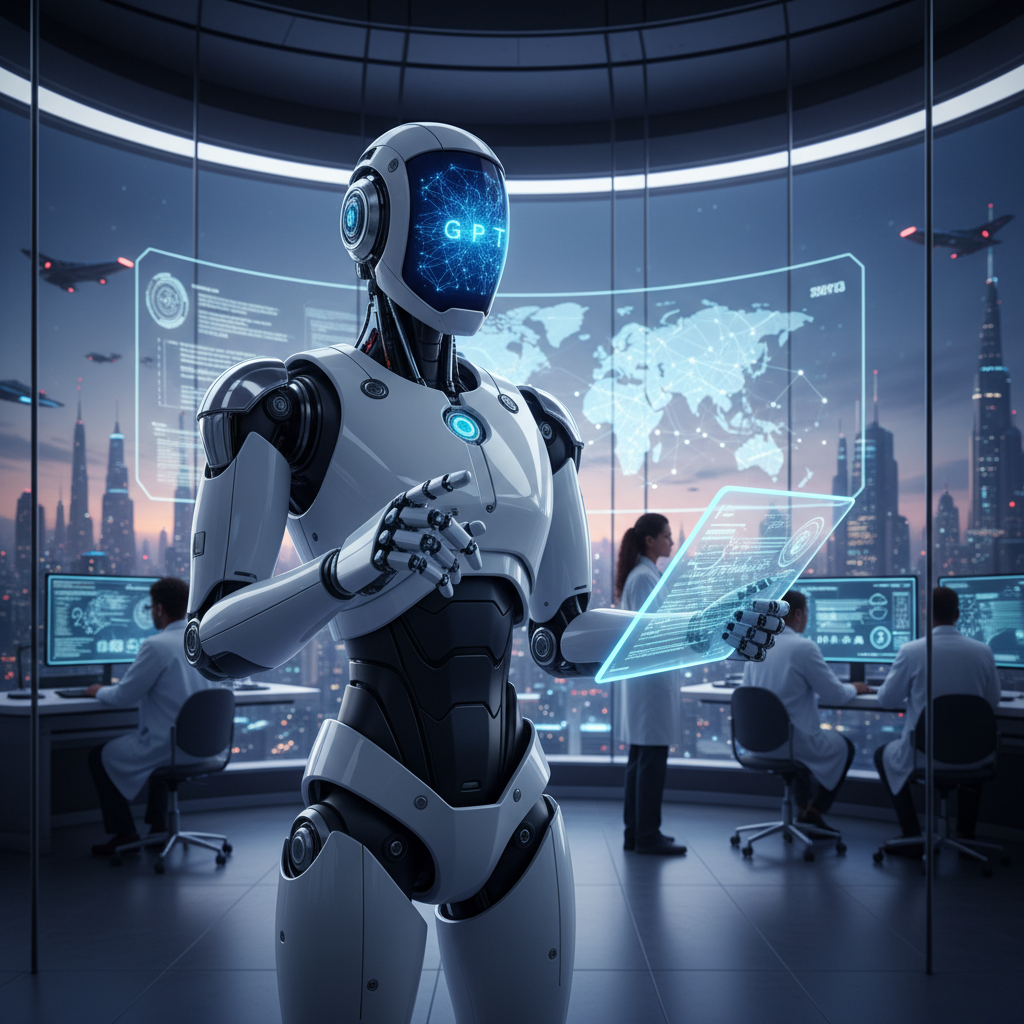
إن الصعود السريع للذكاء الاصطناعي التوليدي، الذي تجسد في "تشات جي بي تي" من "أوبن إيه آي"، دفع الكثيرين للتساؤل عما إذا كانت "لحظة" مماثلة تنتظر مجال الروبوتات. لقد أظهر الظهور العلني لـ "تشات جي بي تي" قفزة مفاجئة ومذهلة في قدرات الذكاء الاصطناعي، مستحوذًا على اهتمام عالمي ومطلقًا موجة من الابتكار والاستثمار. ومع ذلك، يحذر كبار الخبراء في مجال الروبوتات من توقع اختراق واحد وتحولي للروبوتات التي تعمل في العالم المادي، مشيرين إلى أن المسار المستقبلي سيكون مسار جهد مستمر بدلاً من حدث سحري واحد.
تميزت "لحظة تشات جي بي تي" للذكاء الاصطناعي بقدرتها على أداء مهام لغوية معقدة بطلاقة وتماسك غير مسبوقين، مما جعل الذكاء الاصطناعي المتقدم متاحًا ومفهومًا لجمهور واسع. لقد أشعلت هذه الثورة الرقمية إعادة تقييم لإمكانيات الذكاء الاصطناعي، مسرعة البحث والتطوير عبر العديد من القطاعات. ومن ثم، يطرح السؤال بشكل طبيعي: هل يمكن أن تشهد الروبوتات نقطة تحول مفاجئة مماثلة تغير مسارها وتصور الجمهور لها بشكل كبير؟
ومع ذلك، تقدم الروبوتات مجموعة مختلفة جذريًا من التحديات مقارنة بالذكاء الاصطناعي الرقمي البحت. وكما يشير ضمنيًا جوناثان هيرست، المؤسس المشارك وكبير مسؤولي الروبوتات في "أجيليتي روبوتكس" وأستاذ الروبوتات في جامعة ولاية أوريغون، وهانس بيتر بروندو، نائب الرئيس السابق في "جوجل إكس" الذي قاد مشروع "إيفري داي روبوتس"، فإن تعقيد التفاعل مع العالم المادي الحقيقي يطرح عددًا لا يحصى من العقبات. يجب على الروبوتات التعامل مع بيئات غير متوقعة، والتعامل مع أجسام متنوعة، وضمان السلامة حول البشر، والعمل بشكل موثوق به في ظل ظروف متغيرة – وهي مهام تتطلب تكاملاً معقدًا للأجهزة وأجهزة الاستشعار وأنظمة التحكم والذكاء الاصطناعي المتقدم، وهو ما يتجاوز بكثير ما يتطلبه حل قائم على البرمجيات البحتة.
يؤكد الخبراء أن الاختراقات في مجال الروبوتات من المرجح أن تكون تدريجية ومتعددة الأوجه. فبدلاً من أن تقوم خوارزمية أو نموذج واحد بفتح الذكاء الروبوتي الشامل، سينبع التقدم من التحسينات المستمرة في مجالات مختلفة: أجهزة مناولة أكثر براعة، وأنظمة إدراك معززة، وخوارزميات ملاحية قوية، وتقنية بطاريات أفضل، وواجهات تفاعل أكثر سهولة بين الإنسان والروبوت. هذا النهج القائم على "العمل الشاق" يعني أن التطورات ستبنى طبقة فوق طبقة، لمعالجة مشاكل محددة في العالم الحقيقي واحدة تلو الأخرى، مما يوسع تدريجياً قدرات وتطبيقات الروبوتات.
يشير هذا المنظور إلى أن مستقبل الروبوتات سيتسم بتقدم مطرد ومدروس بدلاً من ثورة مفاجئة. سنرى الروبوتات تندمج بشكل متزايد في مجالات اللوجستيات والتصنيع والرعاية الصحية وحتى المنازل، لكن تطورها سيكون شهادة على الجهد الهندسي والعلمي المستمر. إن غياب "لحظة تشات جي بي تي" واحدة لا يقلل من الإمكانات التحويلية للروبوتات؛ بل يعيد تعريف طبيعة رحلتها، مؤكدًا على التحديات العميقة والجهد المخصص المطلوب لجلب آلات ذكية ومستقلة إلى حياتنا اليومية بأمان وفعالية.