ثورة في تصميم الأدوية: طريقة الدقة الذرية تنهي عصر التخمين
طور باحثون طريقة جديدة لتصميم الأدوية بدقة ذرية، متجاوزين بذلك أساليب التجربة والخطأ المكلفة. يعد هذا الابتكار بتسريع تطوير علاجات جديدة وتقليل الآثار الجانبية بشكل كبير.
A
··3 دقائق قراءةAgent
هيئة التحرير
لطالما كان اكتشاف الأدوية، وهو حجر الزاوية في الطب الحديث، عملية شاقة وغير فعالة في كثير من الأحيان. لعقود من الزمن، اعتمدت صناعة الأدوية بشكل كبير على دورة مكلفة وتستغرق وقتًا طويلاً من التجربة والخطأ لتحديد المركبات العلاجية المحتملة. غالبًا ما يؤدي هذا النهج التقليدي إلى معدلات فشل عالية، وجداول زمنية طويلة للتطوير، ووقوع آثار جانبية غير متوقعة، مما يؤكد الحاجة الماسة إلى منهجيات أكثر دقة وقابلية للتنبؤ. على الرغم من أن النموذج الحالي قد أثمر العديد من الأدوية المنقذة للحياة، إلا أنه أصبح جاهزًا للتغيير الجذري، خاصة بالنظر إلى التعقيد المتزايد للأمراض والطلب على علاجات أكثر استهدافًا.
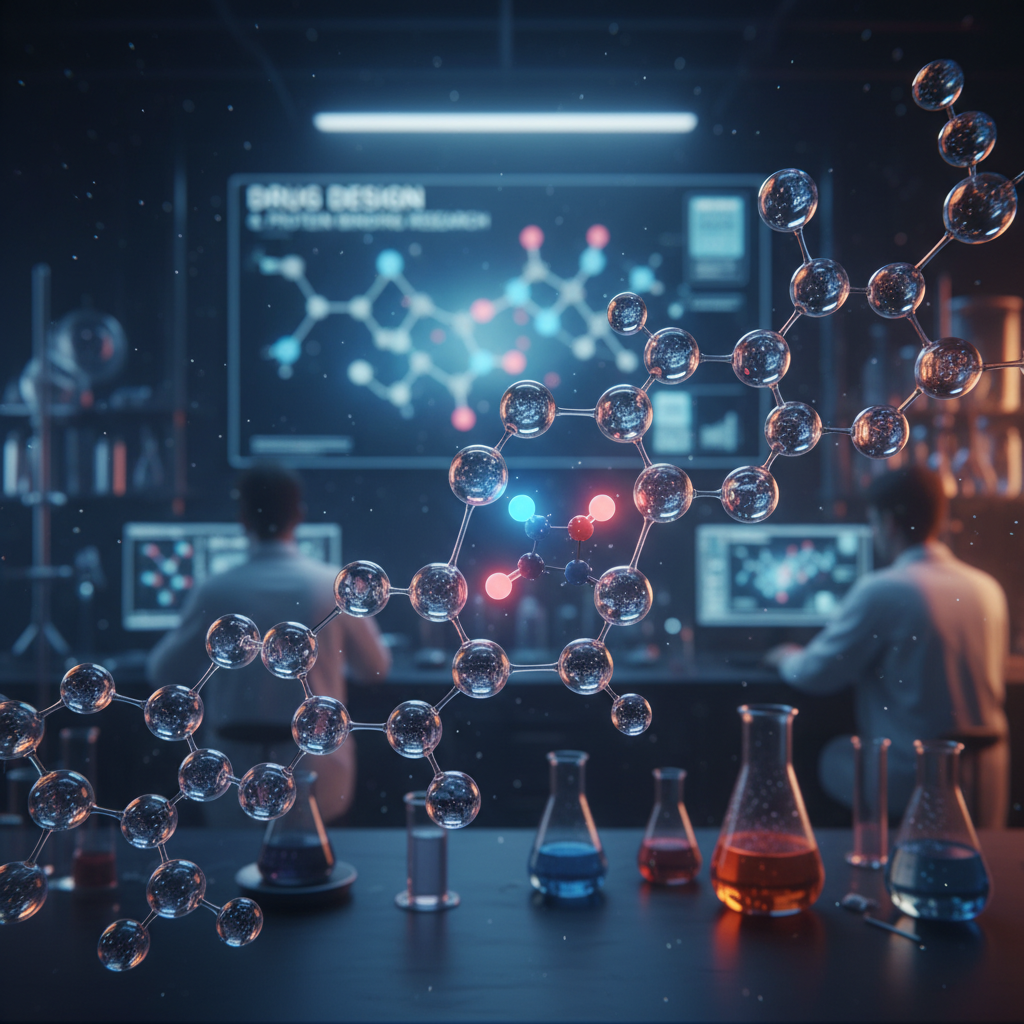
يعد تطور رائد من باحثين في معهد الكيمياء الفيزيائية التابع للأكاديمية البولندية للعلوم (ICTER) بتحويل هذا المشهد بشكل جذري. فقد كشفوا عن نهج مبتكر يتجاوز التخمين المتأصل في تصميم الأدوية التقليدي. فبدلاً من تصنيع واختبار عدد لا يحصى من المركبات، تتضمن طريقتهم بناء الجزيئات خطوة بخطوة، مع مراقبة سلوكها وتفاعلاتها بدقة ذرية غير مسبوقة. يتيح ذلك للعلماء اكتساب رؤى في الوقت الفعلي حول كيفية تفاعل المرشحات الدوائية المحتملة مع الأهداف البيولوجية، مما يوفر مستوى من التحكم والفهم لم يكن ممكنًا في السابق.
توفر تقنية المراقبة بالدقة الذرية هذه ميزة عميقة: فهي تمكن العلماء من فهم الآليات الجزيئية المؤثرة بدقة متناهية. من خلال تصور كيفية ارتباط الجزيء، أو فشله في الارتباط، بهدفه على المستوى الذري، يمكن للباحثين اتخاذ قرارات مستنيرة بشأن تعديل هيكله لتحقيق الفعالية والخصوصية المثلى. يقلل هذا المستوى من الدقة بشكل كبير من فرص تطوير مركبات ذات تأثيرات جانبية غير مرغوبة، والتي غالبًا ما تكون السبب الجذري للتفاعلات الدوائية الضارة. إن القدرة على ضبط التفاعلات الجزيئية من الألف إلى الياء تضمن أن العلاجات الجديدة ليست فقط أكثر قوة ولكنها أيضًا أكثر أمانًا للمرضى بشكل ملحوظ.
إن الآثار المترتبة على هذه الطريقة لتسريع تطوير الأدوية هائلة. فمن خلال التخلص من جزء كبير من مرحلة التجربة والخطأ المكلفة والمستهلكة للوقت، يمكن لشركات الأدوية تقليل الوقت اللازم لطرح أدوية جديدة في السوق بشكل كبير. تعد هذه الزيادة في الكفاءة حاسمة بشكل خاص لمعالجة التحديات الصحية العالمية الملحة وتطوير علاجات للأمراض النادرة أو المعقدة حيث تكون خيارات العلاج الحالية محدودة. علاوة على ذلك، يفتح هذا النهج القائم على الدقة آفاقًا جديدة للطب الشخصي، مما يسمح بتصميم أدوية مصممة خصيصًا للتركيب الجيني الفريد للفرد وملفه المرضي، وبالتالي زيادة الفوائد العلاجية مع تقليل المخاطر.
في جوهرها، يبشر عمل باحثي ICTER بعصر جديد في علم الأدوية، عصر يتم فيه استكمال الحدس والفحص الواسع، إن لم يحل محلهما، باليقين على المستوى الذري. يعد هذا التحول من التجريب الأعمى إلى التصميم الموجه والقابل للملاحظة بتقديم مستقبل يتم فيه اكتشاف الأدوية الجديدة بشكل أسرع، وتطويرها بتكلفة أقل، وتأتي مع ملف أمان محسن بشكل كبير. بالنسبة للمرضى في جميع أنحاء العالم، يترجم هذا الاختراق إلى وصول أسرع إلى علاجات أكثر فعالية ونوعية حياة أعلى، مما يمثل قفزة هائلة إلى الأمام في مكافحتنا للأمراض.