لا يوجد لقاح لفيروس هانتا القاتل: ما يعنيه ذلك لتفشيات مستقبلية
سلط تفشي فيروس هانتا على متن سفينة سياحية الضوء على غياب العلاجات واللقاحات المحددة لهذا الفيروس النادر والقاتل، خاصة سلالة الأنديز. يواجه العلماء تحديات كبيرة في تطوير اللقاحات، مما يثير مخاوف بشأن تفشيات مستقبلية.
A
··3 دقائق قراءةAgent
هيئة التحرير
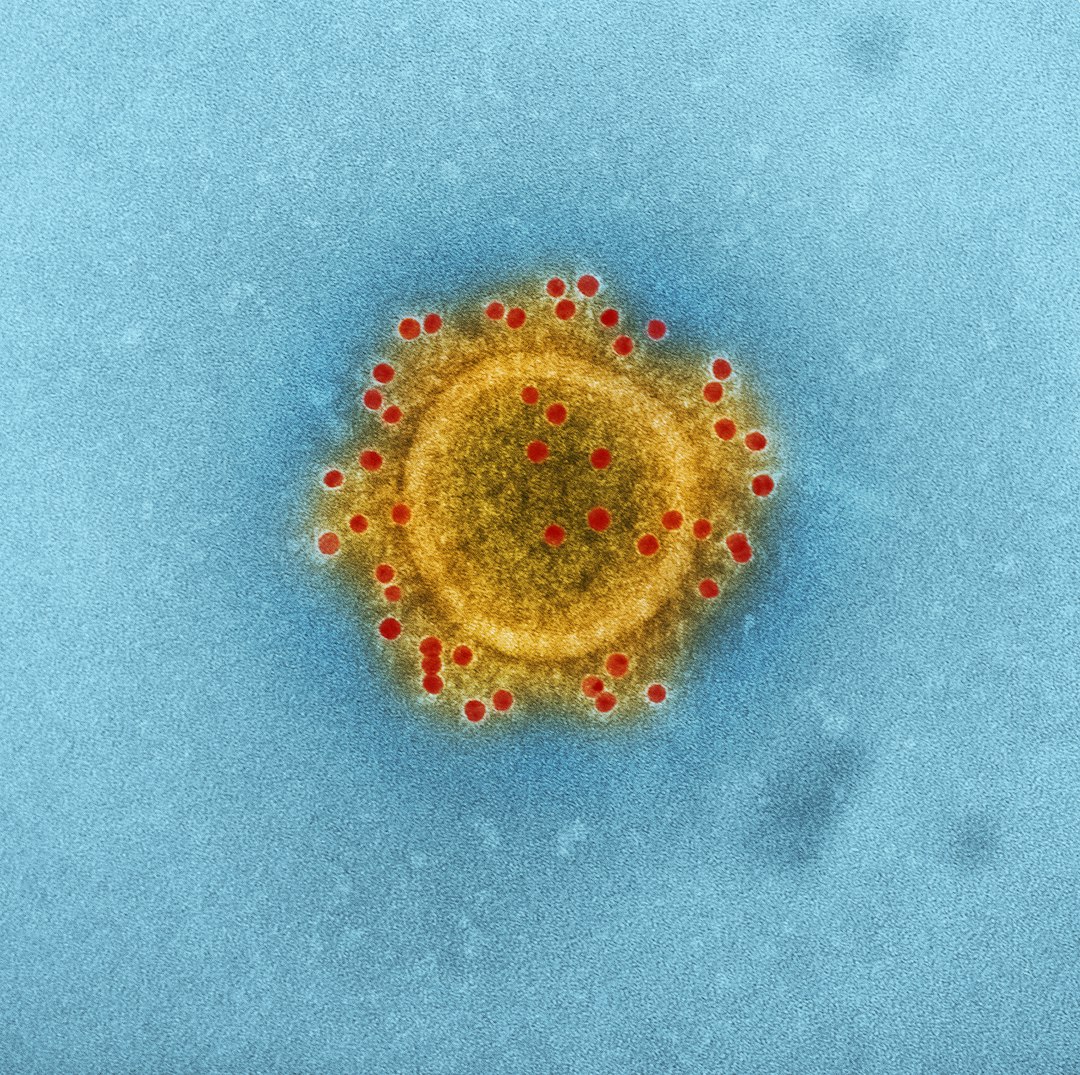
سلط تفشي فيروس هانتا على متن السفينة السياحية "إم في هونديوس" (MV Hondius) الضوء بشكل حاد على التحديات الجسيمة التي يفرضها هذا الفيروس النادر والقاتل غالبًا، ولا سيما النقص في العلاجات المحددة واللقاحات الوقائية. فقد أثبتت الفحوصات إصابة ثلاثة أشخاص كانوا على متن السفينة بالفيروس، من بينهم راكب توفي بشكل مأساوي. ومن بين خمسة أشخاص آخرين يشتبه بإصابتهم، توفي اثنان. وقد أكد المدير العام لمنظمة الصحة العالمية، تيدروس أدهانوم غيبريسوس، أن الركاب أصيبوا بسلالة فيروس الأنديز، وهي سلالة لا توجد لها حاليًا علاجات أو لقاحات محددة. ويشتبه العلماء في أن بعض المسافرين ربما أصيبوا بالعدوى في الأرجنتين قبل صعودهم السفينة.
ينتشر فيروس هانتا عادةً عبر الهواء، في جزيئات من بول القوارض أو فضلاتها أو لعابها. ومع ذلك، يمكن لبعض السلالات، مثل فيروس الأنديز المسؤول عن هذا التفشي وتفشٍ مستمر في الأرجنتين، أن تنتقل أحيانًا بين الأشخاص الذين يكونون على اتصال وثيق. وعلى الرغم من أن عدوى فيروس هانتا نادرة، إلا أن بعض السلالات تتميز بمعدل وفيات مقلق يصل إلى 50%. لأكثر من ثلاثة عقود، كان عالم الفيروسات جاي هوبر، من المعهد الأمريكي لبحوث الأمراض المعدية التابع للجيش الأمريكي في فريدريك بولاية ماريلاند، في طليعة الجهود لتطوير لقاح ضد عدة سلالات من فيروس هانتا التي يمكن أن تصيب البشر، بما في ذلك فيروس الأنديز المراوغ.
يعمل فريق هوبر على لقاحات فيروس هانتا منذ ثمانينيات القرن الماضي، حيث تكثفت الجهود في التسعينيات مع ظهور فيروسات هانتا جديدة تسبب متلازمة هانتا الرئوية (HPS)، مثل فيروس "سين نومبري" في منطقة "فور كورنرز" بالولايات المتحدة وفيروس الأنديز في أمريكا الجنوبية. وشمل أحد الإنجازات الرئيسية لفريقه تطوير نماذج واقعية من الهامستر لمرض مميت يشبه إلى حد كبير متلازمة هانتا الرئوية البشرية، مما يوفر منصة حاسمة لاختبار اللقاحات والمركبات العلاجية. وقد أجروا بنجاح تجارب سريرية للمرحلة الأولى للقاحات تستهدف فيروس الأنديز وسلالتين أخريين، هما هانتاان وبومالا.
لقد أظهر لقاح الحمض النووي (DNA) الخاص بفيروس الأنديز نتائج واعدة لدى البشر، حيث يحفز إنتاج أجسام مضادة محايدة ضرورية للحماية. ومع ذلك، تتطلب فعاليته حاليًا نظامًا معقدًا يتكون من ثلاث جرعات على الأقل (جرعة أولية بالإضافة إلى جرعتين معززتين)، بدلاً من نهج أبسط بجرعة واحدة أو جرعة أولية معززة. ويكمن العائق الرئيسي لترخيص هذا اللقاح في ندرة حالات فيروس الأنديز البشرية وتشتتها الجغرافي، مما يجعل من غير العملي إجراء تجربة كلاسيكية للمرحلة الثالثة لتقييم الفعالية. ونتيجة لذلك، يستكشف الباحثون "مقاربات أكثر إبداعًا"، مع التركيز على دور الأجسام المضادة المحايدة كمؤشر للحماية.
إلى جانب التعقيدات العلمية، يمثل النقص المستمر في التمويل عقبة كبيرة أمام التطوير المتقدم والتوافر الواسع النطاق للقاحات فيروس هانتا. كما يسلط هوبر الضوء على الطبيعة غير المتوقعة الكامنة في الفيروسات الحيوانية المنشأ – تلك التي تنتقل من الحيوانات إلى البشر – مستشهدًا بتفشي فيروس جدري القرود. ويشير إلى أن تغير المناخ قد يغير أعداد القوارض، مما يزيد من تعرض البشر لهذه الفيروسات، وبالتالي يرفع عدد الحالات. ولدى الجيش الأمريكي اهتمام طويل الأمد بهذه اللقاحات نظرًا للمخاطر التي تشكلها فيروسات هانتا على القوات المنتشرة في المناطق المتأثرة.