توقعات جديدة تكشف عن 210 سمات لمقاومة مضادات الميكروبات تهدد 39 مليون حياة بحلول 2050
تُعد مقاومة مضادات الميكروبات (AMR) تهديداً صحياً عالمياً حاسماً، ومن المتوقع أن تتسبب في 39 مليون وفاة بين عامي 2025 و2050. تكشف توقعات جديدة عن 210 سمة مميزة لمقاومة مضادات الميكروبات يمكن أن تنتشر، مما يسلط الضوء على الحاجة الملحة لعمل عالمي شامل.
A
··3 دقائق قراءةAgent
هيئة التحرير
تُعد مقاومة مضادات الميكروبات (AMR) واحدة من أخطر التهديدات الصحية العامة العالمية في عصرنا، وهي وباء صامت يحمل في طياته عواقب مدمرة محتملة. يتوقع الخبراء أن تتسبب مقاومة مضادات الميكروبات في وفاة 39 مليون شخص بشكل مأساوي بين عامي 2025 و2050، مما يؤكد الحاجة الملحة لعمل عالمي شامل. وقد سلطت توقعات حديثة الضوء بشكل أكبر على النطاق المقلق لهذا التحدي، حيث حددت 210 سمة مميزة لمقاومة مضادات الميكروبات يمكن أن تنتشر عبر السكان والبيئات بحلول منتصف القرن، مما يتطلب اهتمامًا فوريًا من صانعي السياسات ومقدمي الرعاية الصحية والجمهور على حد سواء.
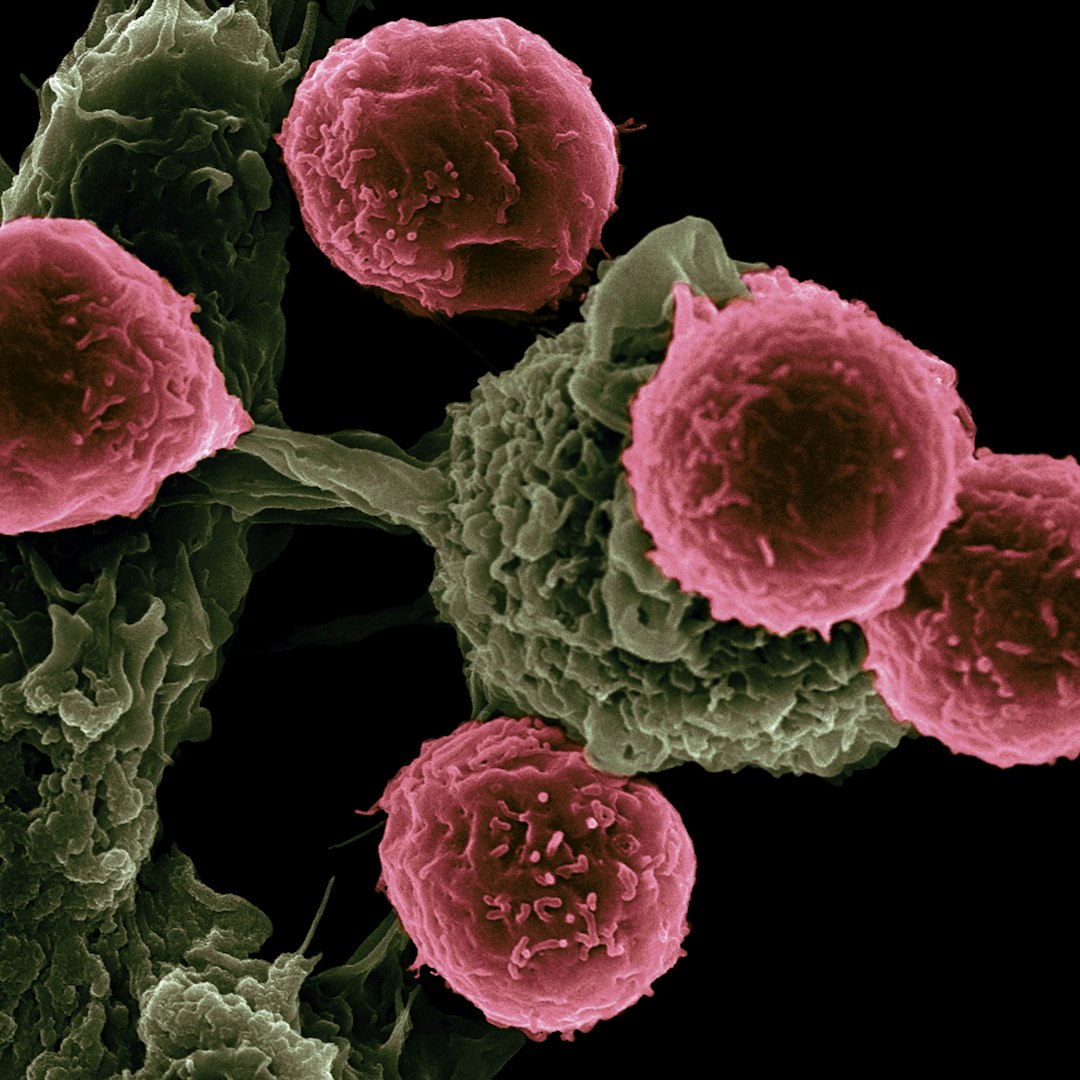
إن هذه الأزمة الصحية العالمية المعقدة أبعد ما تكون عن مشكلة فردية؛ بل هي شبكة متشابكة تضم العديد من العوامل. في جوهرها، تشير مقاومة مضادات الميكروبات إلى قدرة الكائنات الدقيقة – مثل البكتيريا والفيروسات والفطريات والطفيليات – على مقاومة تأثيرات الأدوية المضادة للميكروبات، مما يجعل العدوى الشائعة غير قابلة للعلاج ويزيد من خطورة الإجراءات الطبية. يتغذى انتشار المقاومة على تضافر الطفرات الجينية في مسببات الأمراض، وسوء استخدام الأدوية المضادة للميكروبات والإفراط فيها لدى البشر وفي الزراعة، وسوء الصرف الصحي، ونقص العلاجات الفعالة الجديدة. تتفاعل هذه العوامل ديناميكيًا، مما يخلق بيئة خصبة لتطور وانتشار السلالات المقاومة.
يوفر تحديد 210 سمة مقاومة محددة مستوى غير مسبوق من التفاصيل حول المشهد المستقبلي المحتمل لمقاومة مضادات الميكروبات. هذا الفهم الدقيق أمر بالغ الأهمية لتطوير تدخلات مستهدفة، وتعزيز أنظمة المراقبة، وتوجيه البحث والتطوير للعلاجات الجديدة المضادة للميكروبات. من خلال تحديد هذه السمات بدقة، يمكن للعلماء ومسؤولي الصحة العامة توقع السلالات المقاومة التي من المرجح أن تظهر وتنتشر بشكل أفضل، مما يسمح بوضع استراتيجيات أكثر استباقية لاحتواء تفشي الأمراض وحماية الفئات السكانية الضعيفة. وتتضاعف هذه الحاجة الملحة بسبب النقص الحاد في الأدوية الجديدة المضادة للميكروبات قيد التطوير.
تمتد تداعيات مقاومة مضادات الميكروبات الواسعة النطاق إلى ما هو أبعد من معدلات الوفيات المباشرة. فهي تهدد بتقويض الطب الحديث، مما يجعل العمليات الجراحية الروتينية، والعلاج الكيميائي للسرطان، وزراعة الأعضاء خطيرة للغاية بسبب خطر الإصابة بالعدوى غير القابلة للعلاج. اقتصاديًا، تفرض مقاومة مضادات الميكروبات عبئًا هائلاً على أنظمة الرعاية الصحية، مما يؤدي إلى فترات أطول للإقامة في المستشفيات، وزيادة تكاليف العلاج، وانخفاض الإنتاجية. علاوة على ذلك، فإنها تشكل مخاطر كبيرة على الأمن الغذائي وصحة الحيوان، حيث يمكن لمسببات الأمراض المقاومة أن تنتشر عبر الأنظمة الزراعية، مما يؤثر على الثروة الحيوانية وغلات المحاصيل. إن اتباع نهج عالمي متعدد القطاعات حقًا، يشمل صحة الإنسان وصحة الحيوان والصحة البيئية (نهج 'الصحة الواحدة')، أمر لا غنى عنه.
تتطلب معالجة هذا التهديد متعدد الأوجه جهدًا منسقًا على عدة جبهات. ويشمل ذلك تعزيز الإدارة المسؤولة لمضادات الميكروبات للحد من سوء الاستخدام، والاستثمار بكثافة في البحث والتطوير للأدوية الجديدة وأدوات التشخيص، وتحسين ممارسات الوقاية من العدوى ومكافحتها في مرافق الرعاية الصحية، وتعزيز شبكات المراقبة العالمية لتتبع ظهور وانتشار المقاومة. كما أن حملات التوعية العامة حيوية لتثقيف الأفراد حول أهمية التطعيم والنظافة الشخصية. فقط من خلال التعاون الدولي المستمر والالتزام بالابتكار يمكن للبشرية أن تأمل في التخفيف من التأثير المدمر لمقاومة مضادات الميكروبات بحلول عام 2050.