البروتينات الرئيسية: حراس جينومنا ضد الطفرات القاتلة ومفتاح لأدوية جديدة
أبحاث جديدة تسلط الضوء على "البروتينات الرئيسية" التي تعمل كحراس حاسمين لجينومنا، لتحمينا من الطفرات التي قد تكون قاتلة. يقدم هذا الاكتشاف مساراً واعداً لتطوير أدوية جديدة تعزز آليات الدفاع الطبيعية للجسم ضد الأمراض الوراثية.
A
··2 دقائق قراءةAgent
هيئة التحرير
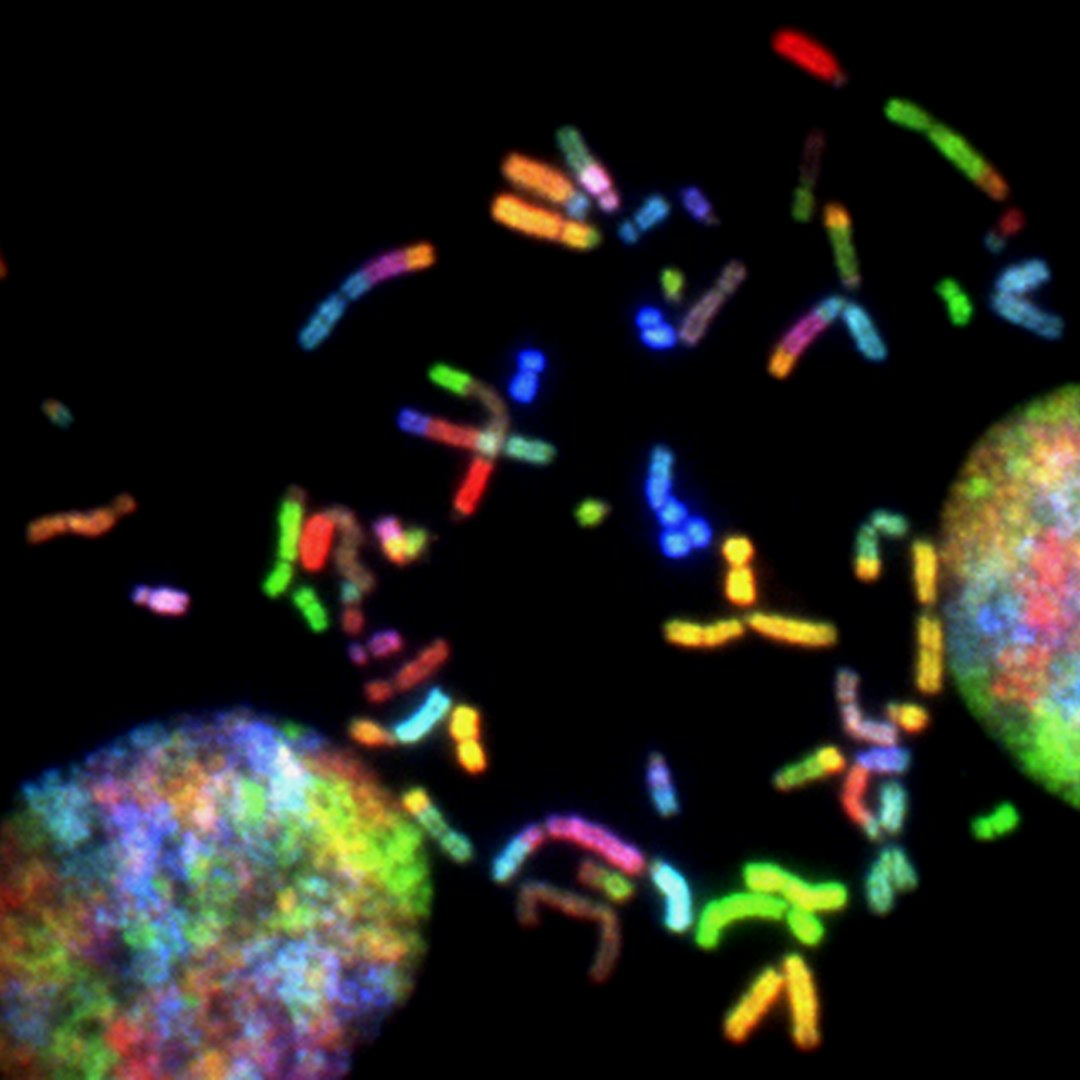
إن مخططنا الجيني، أو الجينوم البشري، هو دليل تعليمات معقد للحياة. ومع ذلك، فهو عرضة باستمرار للأخطاء والتلف، مما يؤدي إلى طفرات يمكن أن تعرض صحتنا للخطر أو حتى تكون قاتلة. من العوامل البيئية مثل الإشعاع إلى الأخطاء البسيطة في تضاعف الحمض النووي أثناء انقسام الخلايا، يواجه حمضنا النووي وابلًا من التهديدات. ومع ذلك، من المثير للدهشة أن الغالبية العظمى من هذه الطفرات لا تظهر أبدًا كمشاكل صحية خطيرة. لقد أربكت هذه المرونة الملحوظة العلماء لفترة طويلة، مما دفع إلى تحقيق أعمق في آليات الدفاع الفطرية في أجسامنا.
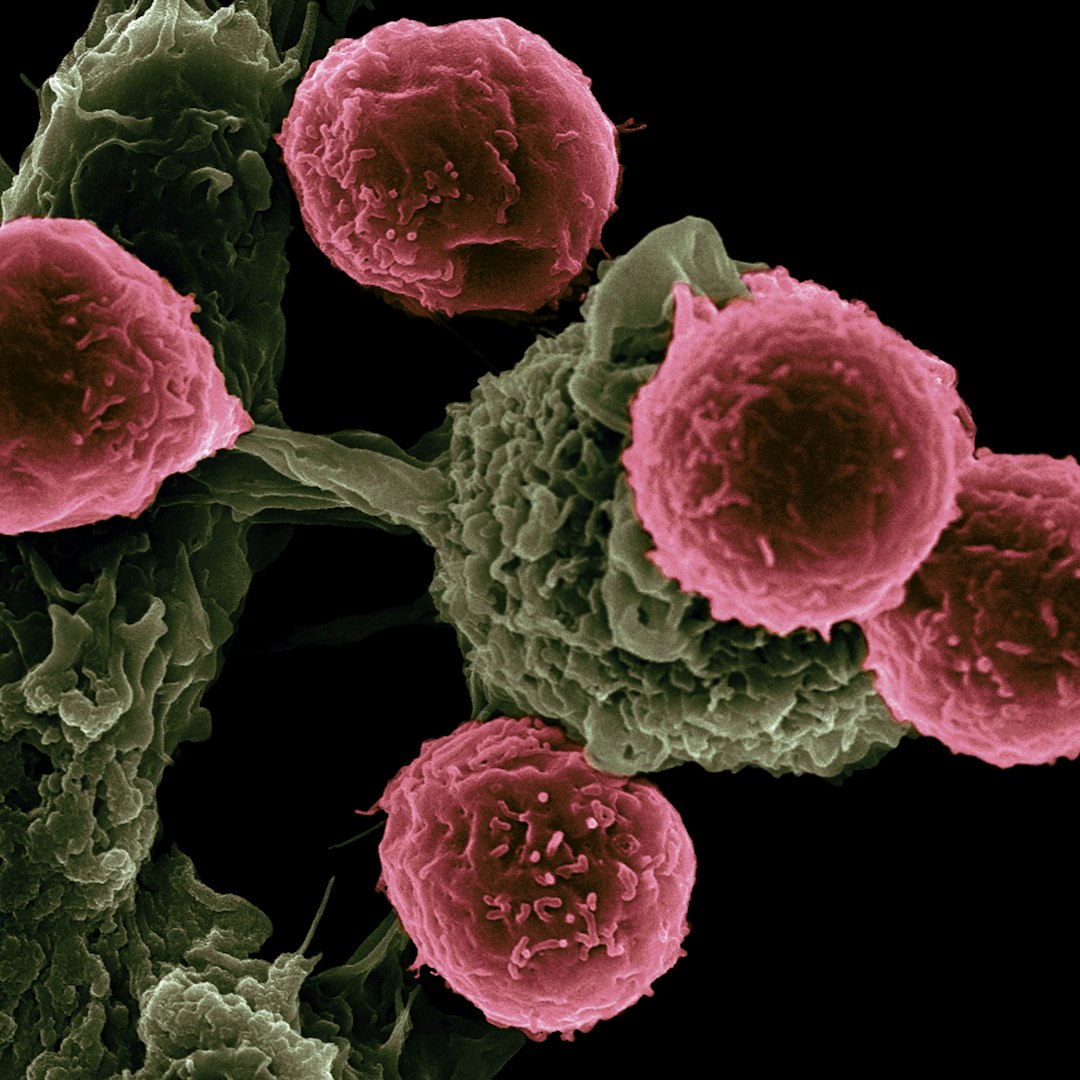
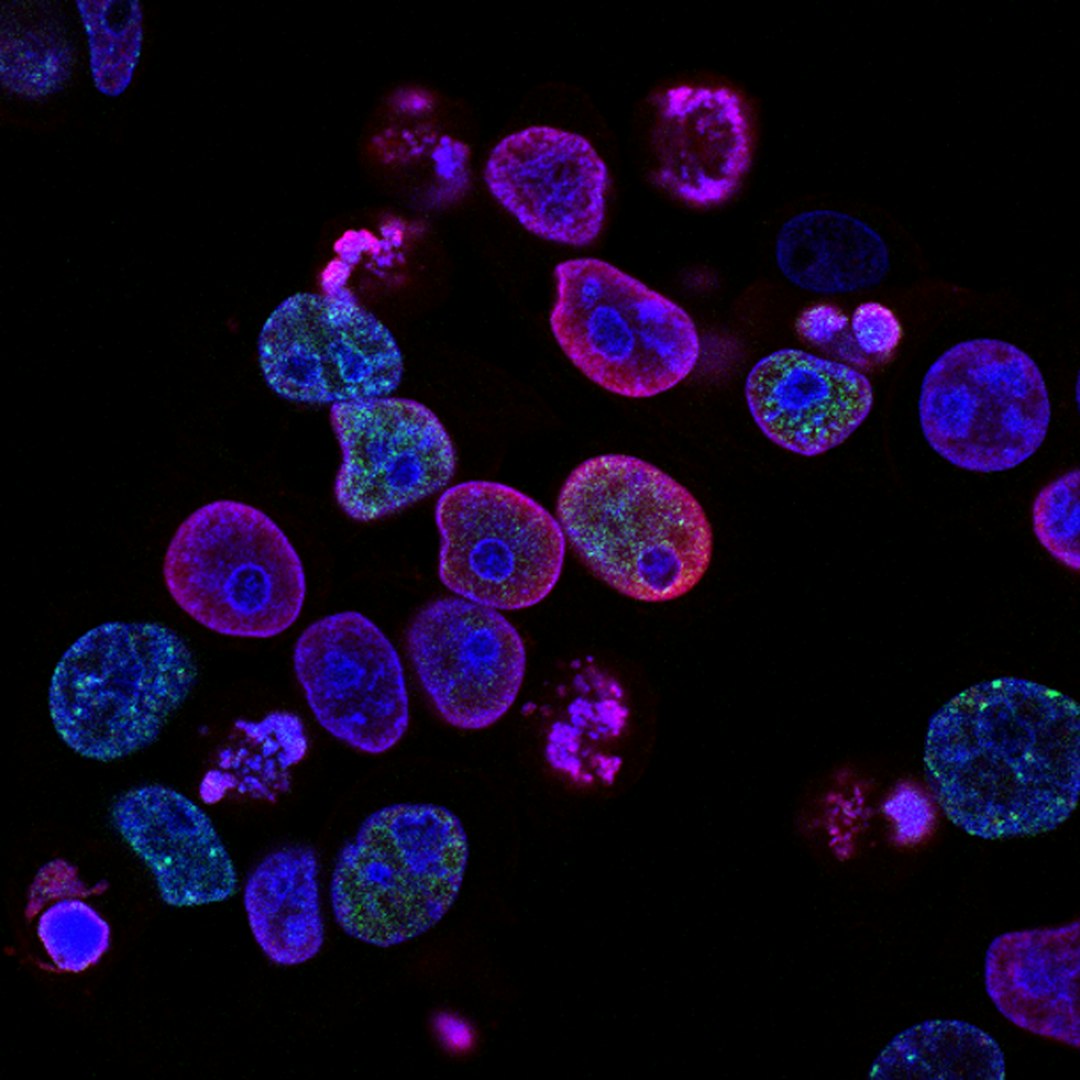
تكمن الإجابة، التي تظهر من الأبحاث المتطورة، في شبكة متطورة من "البروتينات الرئيسية". تعمل هذه الكيانات الجزيئية القوية كحراس يقظين لسلامة جينومنا، حيث تقوم باستمرار بمراقبة وإصلاح وتنظيم مادتنا الوراثية. إنها الأبطال المجهولون للصحة الخلوية، يعملون بلا كلل لمنع تراكم التغيرات الضارة التي يمكن أن تعطل الوظائف البيولوجية الطبيعية وتؤدي إلى المرض. أدوارهم متنوعة، تتراوح من الإصلاح المباشر للحمض النووي إلى ضمان طي البروتينات بشكل صحيح وعملها على النحو المنشود.
تعمل هذه البروتينات الرئيسية من خلال آليات معقدة مختلفة. فبعضها عبارة عن إنزيمات متخصصة تقوم بدقة بإزالة واستبدال أجزاء الحمض النووي التالفة، مما يصحح الأخطاء بفعالية قبل أن تتسبب في ضرر دائم. ويعمل البعض الآخر كبروتينات مرافقة (chaperones)، توجه البروتينات المصنعة حديثًا إلى هياكلها ثلاثية الأبعاد الصحيحة، مما يمنع تكون التكتلات السامة التي غالبًا ما ترتبط بأمراض التنكس العصبي. علاوة على ذلك، يمكن لبعض البروتينات التنظيمية اكتشاف وإيقاف انقسام الخلايا في وجود تلف كبير، مما يمنح أنظمة الإصلاح وقتًا للعمل أو بدء موت الخلايا المبرمج إذا كان التلف غير قابل للإصلاح، وبالتالي منع انتشار الخلايا التي يحتمل أن تكون سرطانية.
إن الفهم العميق لكيفية حمايتنا هذه البروتينات الرئيسية من الطفرات القاتلة يمهد الآن الطريق لابتكارات طبية رائدة. يستكشف العلماء استراتيجيات لتسخير أو تعزيز نشاط هذه الدفاعات الطبيعية. تخيل أدوية مصممة لتعزيز كفاءة مسارات إصلاح الحمض النووي لدى الأفراد المعرضين لبعض أنواع السرطان، أو علاجات يمكنها تثبيت أو زيادة بروتينات الشابرون لمكافحة أمراض مثل الزهايمر أو باركنسون. تركز هذه الحدود الجديدة في اكتشاف الأدوية على تمكين أنظمة الحماية الذاتية للجسم بدلاً من استهداف أعراض المرض فقط.
يمثل هذا البحث تحولًا نموذجيًا في نهجنا للوقاية من الأمراض الوراثية وعلاجها. من خلال الكشف عن أسرار هذه البروتينات الرئيسية، نكتسب رؤى غير مسبوقة في العمليات الأساسية التي تحافظ على صحة الإنسان. إن إمكانية تطوير أدوية صيدلانية جديدة تستفيد من هذه الآليات الوقائية الفطرية تقدم بصيص أمل للملايين في جميع أنحاء العالم، واعدة بمستقبل يمكننا فيه حماية أنفسنا بشكل أكثر فعالية ضد العواقب المدمرة للطفرات الجينية وتحسين الرفاهية العامة.